How to Make Caramelized Carrots Without Honey: Francis Mallmann’s Cream Method
Boil sliced carrots for about five minutes, dry them, then cook them in olive oil and cream in cast iron until caramelized. There is no honey in Francis Mallmann's version: his cream reduces in the pan until it turns thick and buttery like honey and coats the carrots. This guide covers the method from his lesson, the cast iron pan, and how to tell when the carrots are done.
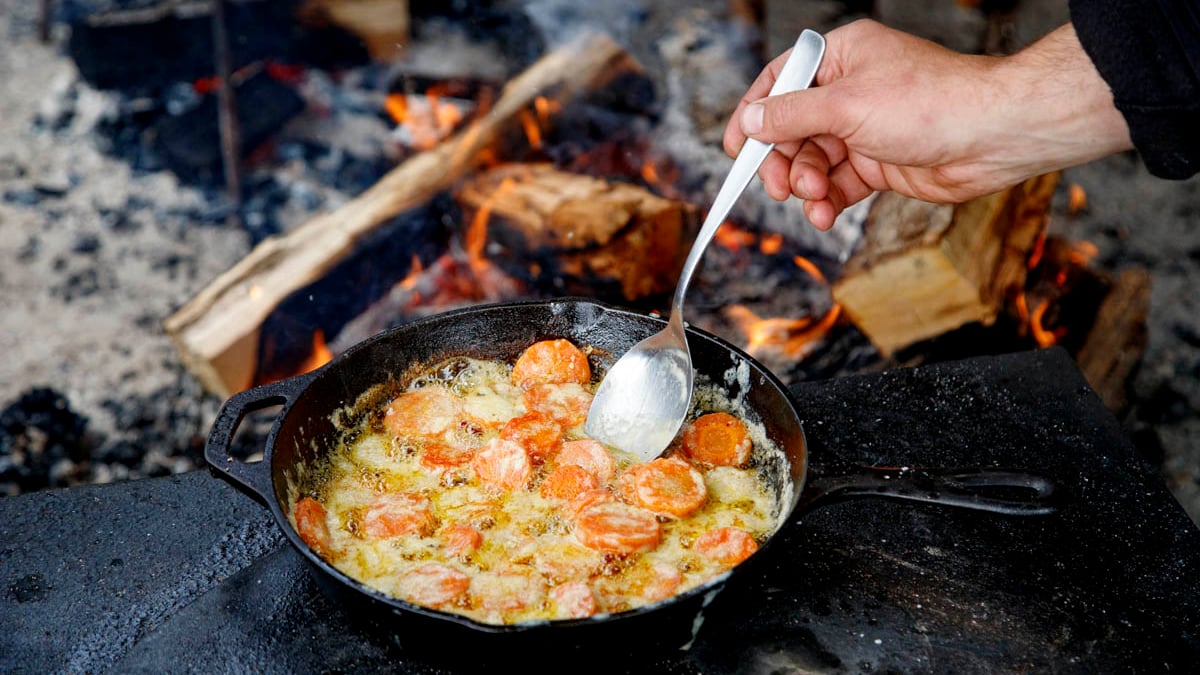
How do you make caramelized carrots the way Francis Mallmann teaches it?
This follows the Caramelized Carrots lesson in Francis Mallmann‘s class, an 8 minute video where Francis cooks it start to finish. The lesson lists:
Carrots: 3
Cream: 500 grams (18 ounces, about 2 cups)
Olive oil: no amount given
Thyme: a handful
Salt: to taste
Equipment: a cast iron pan, a saucepan, a chef’s knife, a cutting board, a slotted spoon and a spoon
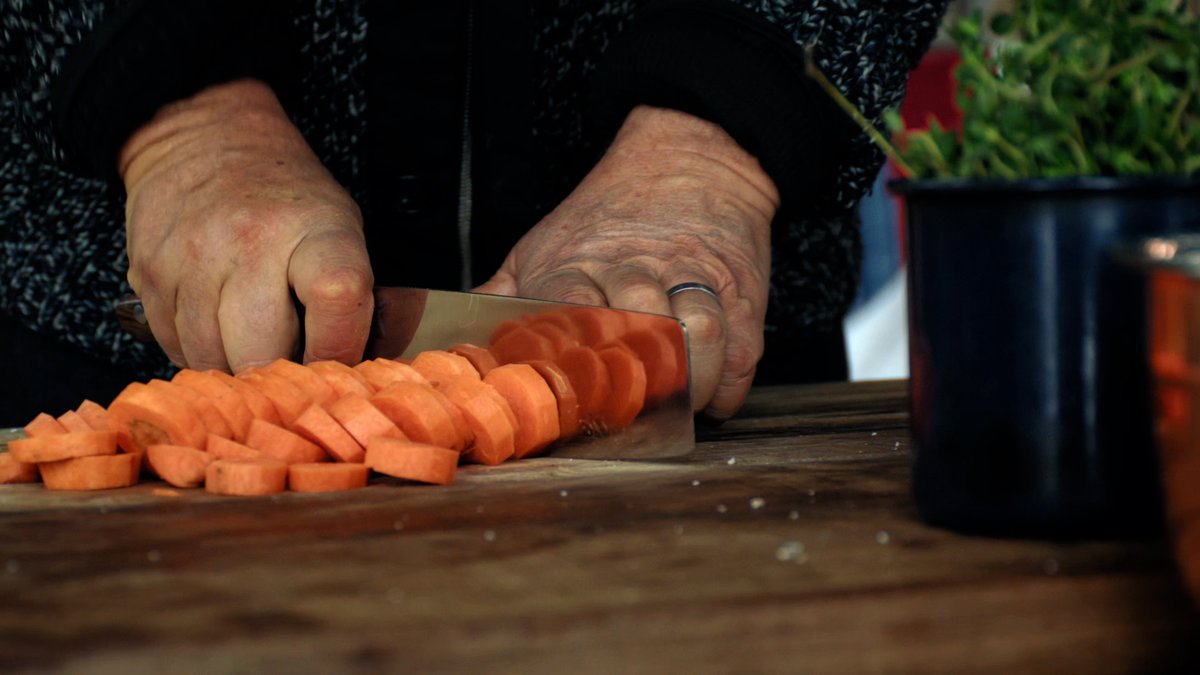
1. Cut the carrots into slices 1 centimeter (about ⅜ inch) thick, with the skin on.
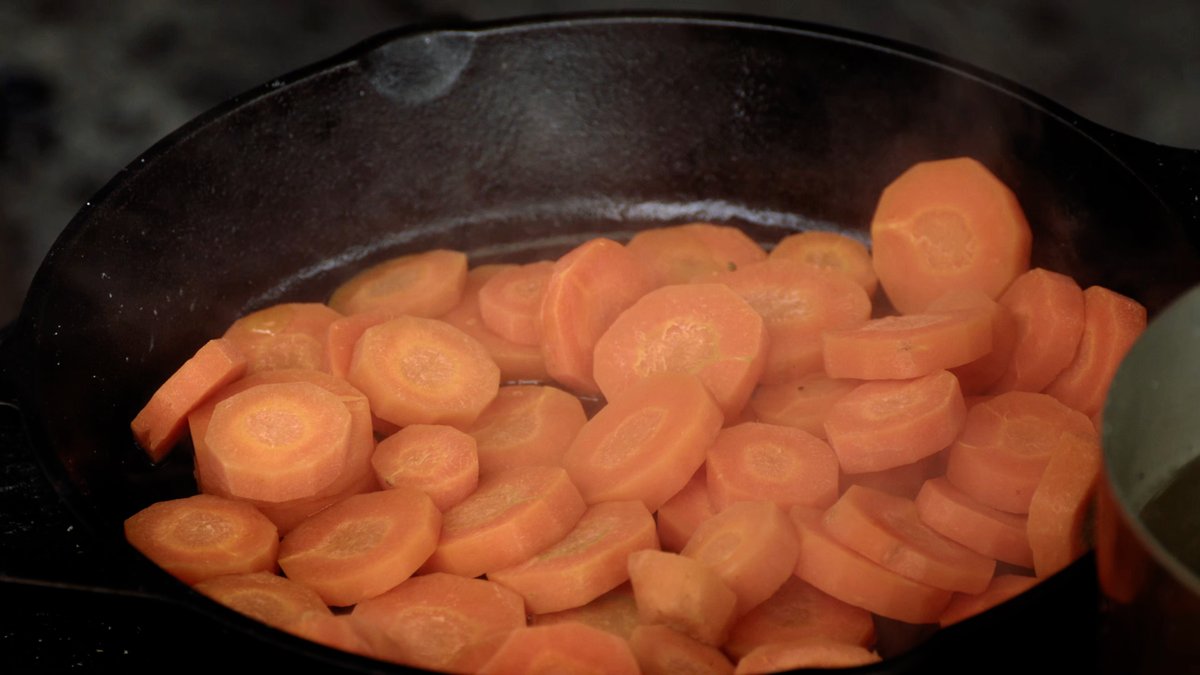
2. Boil them in a pot of water. Once it is boiling again, give them about 5 minutes. They should not be cooked through: Francis wants a little resistance when you bite.
3. Clean the thyme, remove the thick branches and chop it coarsely.
4. Heat the cast iron pan with a little olive oil.
5. Lift the carrots out of the water with a slotted spoon and dry them on absorbent paper.
6. Put the carrots in the hot pan and add another drizzle of olive oil.
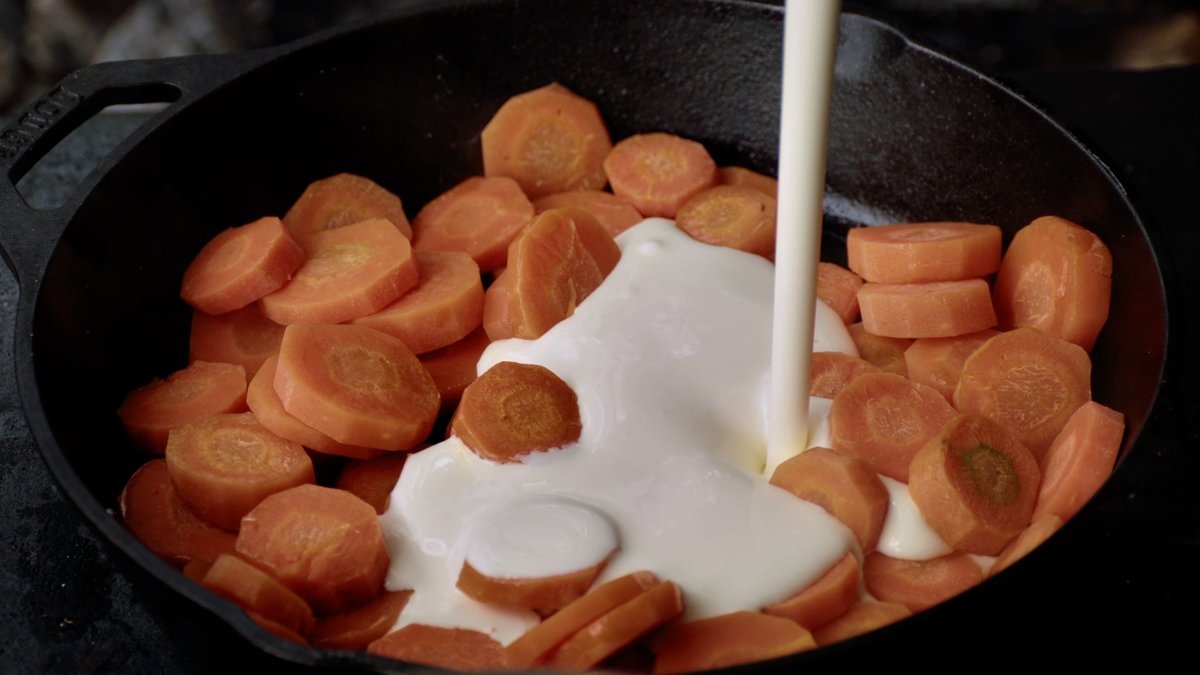
7. Pour the cream over the carrots and let it boil and reduce.
8. Cook until the carrots are golden orange, caramelized and slightly charred. Check with a spatula that they are tender.
9. Take the pan off the heat, sprinkle with the thyme, mix, season with salt and serve.
The supplies list gives 500 grams of cream, but the lesson’s own description calls it a bit of cream, and no step gives a cream amount, so watch the video to see how much sits in the pan. The lesson also gives no heat setting and no pan time, so go by the look of the carrots.
Is there honey in these caramelized carrots?
No. The lesson uses carrots, cream, olive oil, thyme and salt, and nothing else. The honey is in how Francis describes the cream: it boils and reduces until it is thick, buttery and honey-like, and it breaks, which is what he wants. That glaze sticks to the carrots and gives them a crust and a deep color. So if you searched for honey glazed carrots, this is the same clinging glaze without a drop of honey, sugar or other sweetener in the ingredient list. If you would rather make a bright, citrusy carrot side, see our guide to how to cook clementine carrots.
Why boil the carrots before they go in the pan?
Francis boils the slices first, but only partway. Once the water returns to a boil he gives them about 5 minutes and stops before they turn soft, because he wants a little resistance left in the tooth. The drying step matters as much. He dries the carrots on absorbent paper before they touch the oil: if they go in watery, they start sizzling and spoil the olive oil in the pan. Carrots that still carry some heat from the pot dry a little further on their own.
What does the cream do, and how do you know the carrots are done?
The cream is the glaze. Francis pours it over the carrots in the pan and lets it boil and reduce until it is thick, in his words like honey or ricotta. He also wants it to break: the cream splits and turns buttery, then sticks to the carrots and builds a crust. He cooks them until they are golden orange, caramelized and slightly charred, which is the lesson’s pro tip, and then checks with a spatula that they are tender. Off the heat they get the chopped thyme and a pinch of salt.
Why does the lesson use a cast iron pan, and how do you care for one?
Cast iron is the pan in the lesson’s supplies, and the lesson also covers caring for it. Francis’s method: do not wash the pan, clean it with a cloth. If something has burned, scrape it gently with a spatula. Between uses, keep it coated with fat or lard. Before you cook, heat the pan and clean out the old fat that has been sitting there, and the food will not stick. That is his way, and cooks disagree on whether a little mild soap is fine, so treat it as his method rather than the only one.
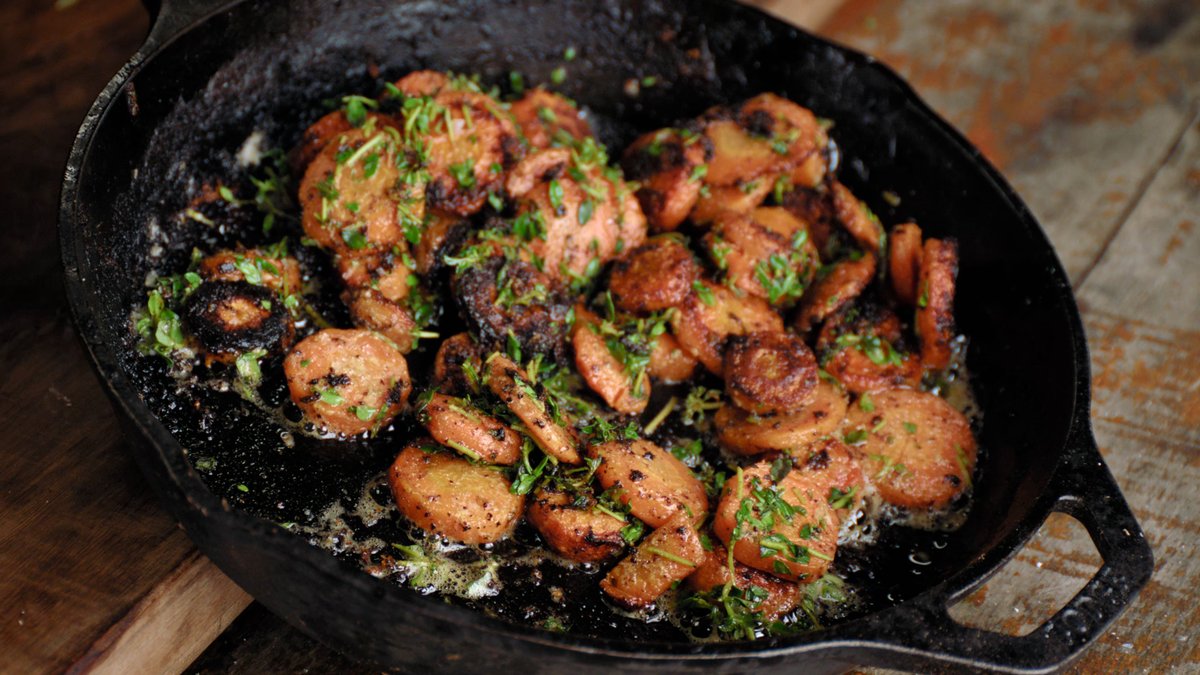
What do you serve with caramelized carrots, and when do they fit?
The lesson calls this a vegetarian recipe, and YesChef files it as a side dish for special occasions, which makes it an easy fit for a winter holiday table. The lesson page lists 30 minutes in total, 10 of them hands-on, and it names no main dish, so pair it with whatever else you are cooking. Cook along with the Caramelized Carrots recipe. Once the method feels familiar, try Francis’s Chapa Veg & Vinaigrette lesson, which also covers browning vegetables, and find the rest of his Argentine cooking in the class with Francis Mallmann.
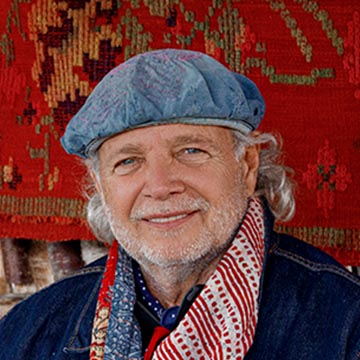
Francis Mallmann, the pioneer of open-fire cooking, is South America’s most famous chef and is known for his rustic open-fire cooking style in wild and remote locations. Join the James Beard award-winning author and Chef’s Table star as he brings you on a journey into his kitchen in the Patagonian wild where he teaches you how to master the grill and his Argentine-style barbecue.