How to Make Brown Butter: Edward Lee’s Method, and the Smell That Tells You It Is Done
Brown butter is butter cooked until its water evaporates and its milk solids toast, giving it a deep, nutty aroma. Edward Lee makes his in a cast iron pan over medium heat, stirring slowly, and says the only way to know it is done is by smell. Below: his method, the cues to watch for, what he does with the butter next, and where it fits in holiday baking.
What is brown butter, and why does it taste so nutty?
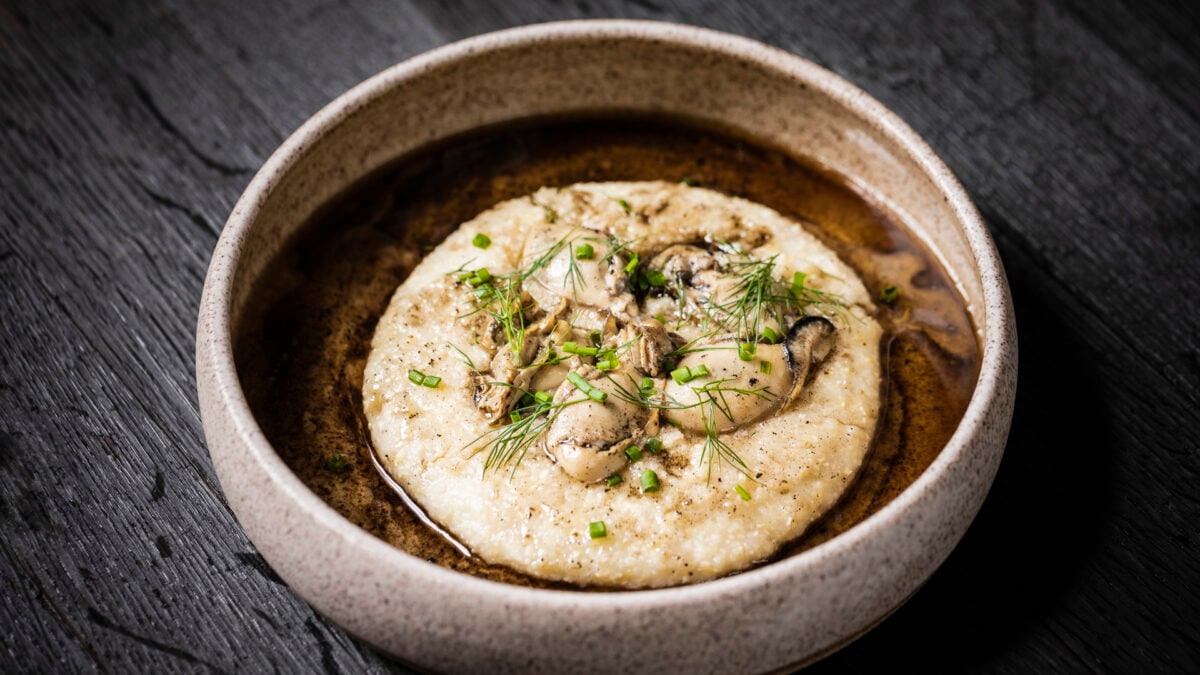
Brown butter is regular butter cooked past the melting point. Butter is mostly milkfat, and US butter has to be at least 80 percent milkfat, so what is left is water and milk solids. As Edward Lee explains in his lesson, the water goes first: it evaporates as the butter foams, and what is left in the pan is water free and a little thicker. Then the milk solids begin to toast and turn brown, and that is where the nutty aroma comes from, which he compares to toasted hazelnuts and almonds. He calls it a French technique, and in his hands it is the base of a sauce.
How does Edward Lee make brown butter?
This follows the Oysters & Grits in Bourbon Brown Butter lesson, where the butter is the first half of the Bourbon Brown Butter recipe. The lesson lists:
Butter: 1 stick (1/2 cup, about 113 g)
Pan: 12-inch (30 cm) heavy-bottomed cast iron pan
Also: a wooden spoon
1. Set the pan over medium heat.
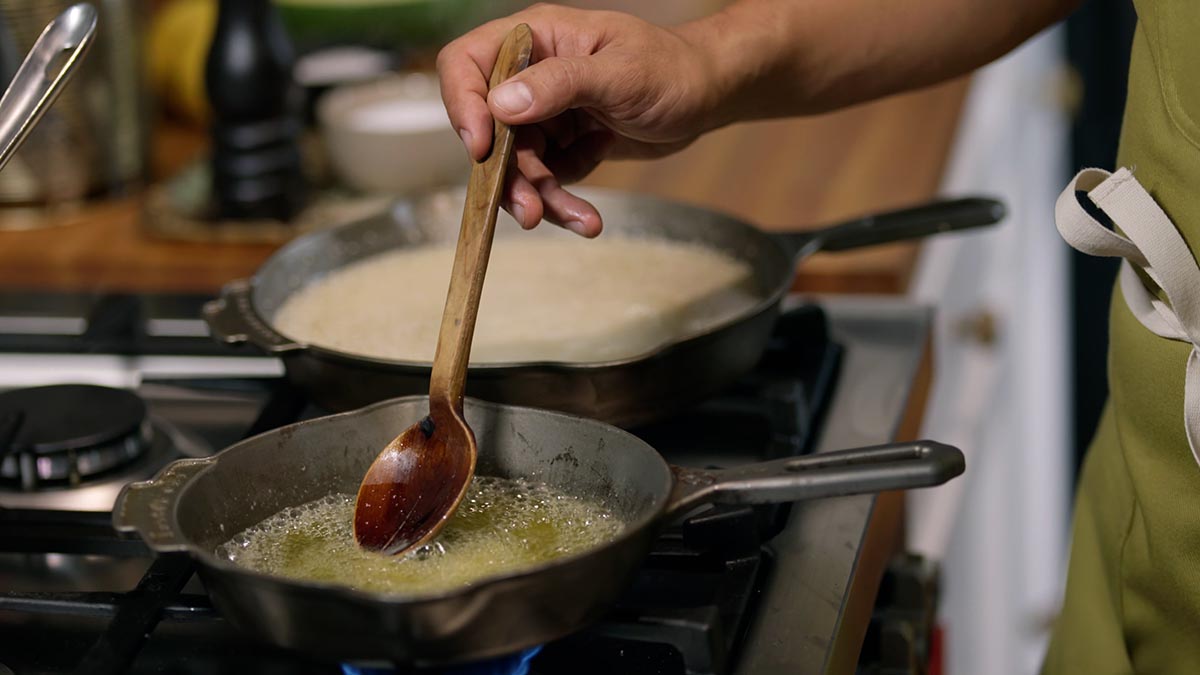
2. Add the butter and let it melt, stirring slowly and often with the wooden spoon.
3. Keep stirring as it foams. That is the water cooking off.
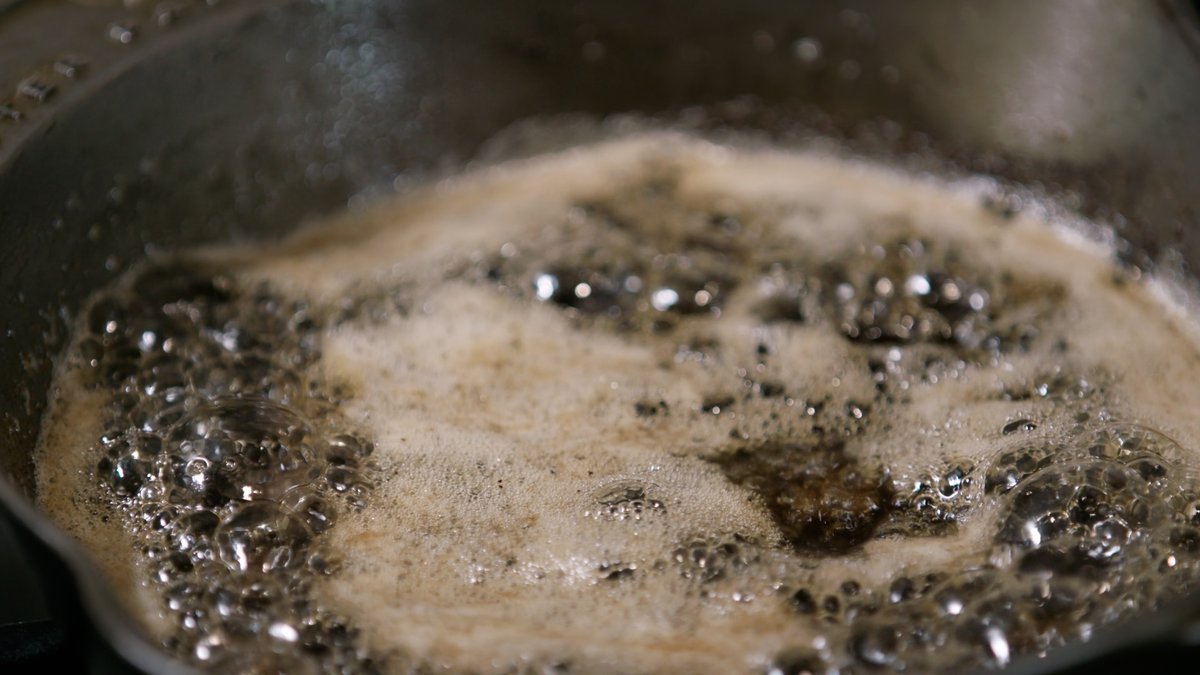
4. Watch for the milk solids to start browning. Some of the bits will gather around your spoon.
5. Keep going until the butter is deep brown and smells toasted, then take it off the heat.
The lesson gives no timer for this part. Edward’s rule is patience and trusting your senses, so plan to stay at the stove the whole time.
How do you know when brown butter is done?
By smell, according to Edward: the only way to know it is done is by the nutty, toasted aroma. Do not count on your eyes. He points out that, depending on the pan, you really cannot tell the color, and the texture barely changes once the water is gone, so the foam and the bits on your spoon are the visual hints, not the proof. He likes his brown butter well browned, so even when it is almost ready he leaves it on the heat a little longer, standing over the pan and smelling. Once it smells right, take the pan off the heat and let the butter cool for 1 to 2 minutes before adding anything to it.
What does Edward add to brown butter?
In his lesson the brown butter becomes a bourbon sauce. After the butter has cooled for a minute or two, he adds 1/2 cup of bourbon a little at a time, because alcohol hitting a hot pan foams up and adding it all at once would send up smoke. Then it cooks over medium heat, with a few shakes of the pan, until the bubbles are gone, which tells you the alcohol and the water have cooked off. Last come a pinch of salt and 1/2 teaspoon of lemon juice. The lemon is there to cut the richness, not to taste lemony, and he adds the salt at the end so he can add a little at a time and taste. The finished sauce goes over grits and gently poached oysters.
Can you use brown butter in holiday baking?
Edward’s lesson is a savory sauce, not a baking lesson, so this part goes beyond his teaching. Brown butter is a common baker’s swap for plain butter because of the toasted, nutty flavor he describes. Serious Eats’ brown butter cake with brown butter frosting uses it in both the cake and the icing, and cools the butter to room temperature, then chills it until cold, before it goes into the cake batter. That echoes Edward’s own habit: let browned butter cool before anything else goes near it.
What should you make with brown butter first?
Start with the way Edward serves it: spooned over a bowl of creamy grits. If you have never cooked them, our guide to what grits are covers the soak and the simmer. Once the butter smells right, you can also do what he does and warm it gently, then poach oysters in it, so the nutty flavor soaks into everything on the plate. Your next brown butter might not end up in a sauce at all: try swapping it into a favorite cookie recipe and see how the aroma changes the dough. Every step here is the method taught by Edward Lee.

James Beard Award winning writer and best-selling cookbook author Edward Lee takes viewers from the farm to his restaurants and home in Louisville, Kentucky and teaches lessons on his beloved dishes including Fried Chicken with Gochujang Sauce, Oysters and Grits, Cabbage-Steamed Fish, and more.