How to Make Savory Homemade Peanut Butter: Edward Lee’s Roast-and-Grind Method
To make savory homemade peanut butter, roast raw peanuts, grind them to a paste, then add sesame oil, sorghum, salt and togarashi. That is Edward Lee's method for the peanut butter he stirs into a savory chicken dish, and it is far less sweet than a store-bought jar. Below: what goes in, how to roast and grind the peanuts, how the recipe card says to store the butter, and what to make with it.
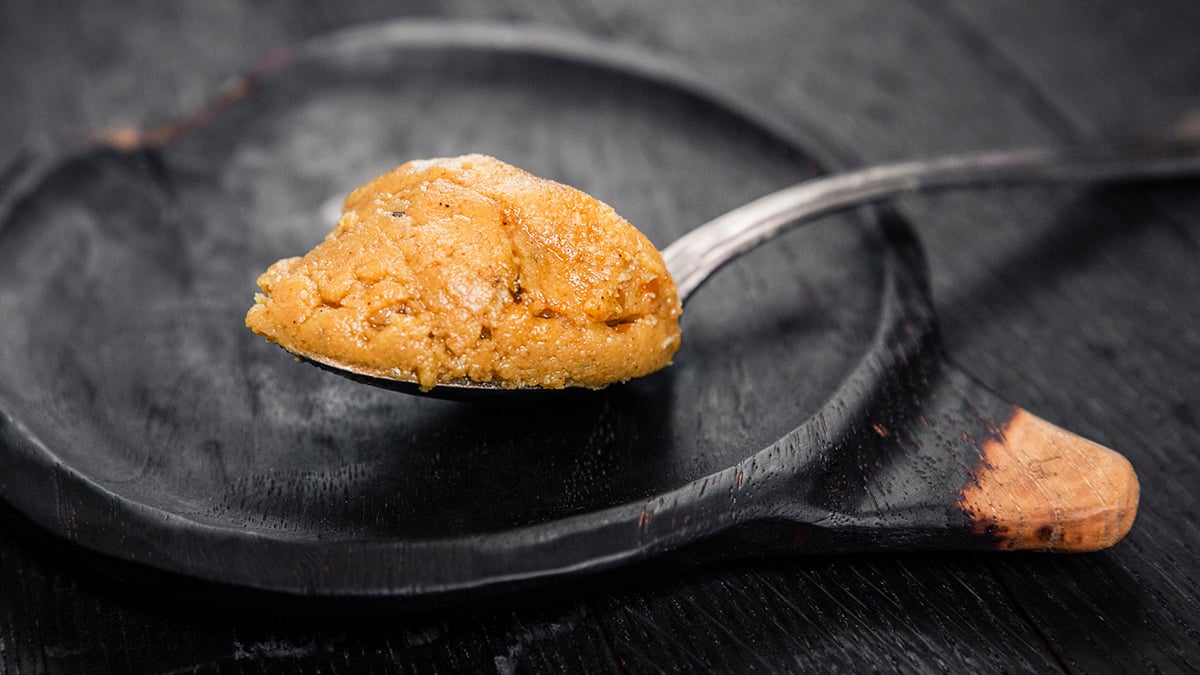
Why make peanut butter from scratch?
Edward Lee opens his lesson by answering the obvious question: why not just buy a jar? His answer is that you will make the best peanut butter you have ever made, and that it starts with the raw peanut. It takes some time and a little energy, he says, but you control the flavor and the texture, and you do not need preservatives because you are making it from scratch. He also pushes it away from sweet: he wants the salty, spicy and umami side of peanut butter, so it works in cooking and not only on toast. In the lesson he makes it for a savory chicken dish.
What goes into Edward Lee's savory peanut butter?
The Savory Asian Peanut Butter lesson has its own recipe page. The recipe card lists:
Raw unsalted peanuts: 2 cups, shelled (the card says this makes about 20 servings of 1 tablespoon, and that cashews can stand in)
Sesame oil: 2 tablespoons
Sorghum syrup: 3 tablespoons (the card says honey or molasses can stand in)
Togarashi spice: ½ teaspoon
Salt: 2 pinches, plus more to taste
Warm water: a few drops, added one at a time
Equipment: a food processor (the card says a blender or a mortar and pestle can stand in), a sheet pan, a spatula, a tablespoon and a ½ liter jam jar with a fitting lid
The card translates togarashi as seven-flavor chili pepper. In the video Edward describes it as a Japanese spice mix with a little sesame seed, seaweed and chili. He calls sorghum a sweetener made from the sorghum cane, somewhere between honey and molasses, and says it adds depth. Between them, the sesame oil, sorghum and togarashi are what push the butter toward savory.
How do you roast the peanuts?
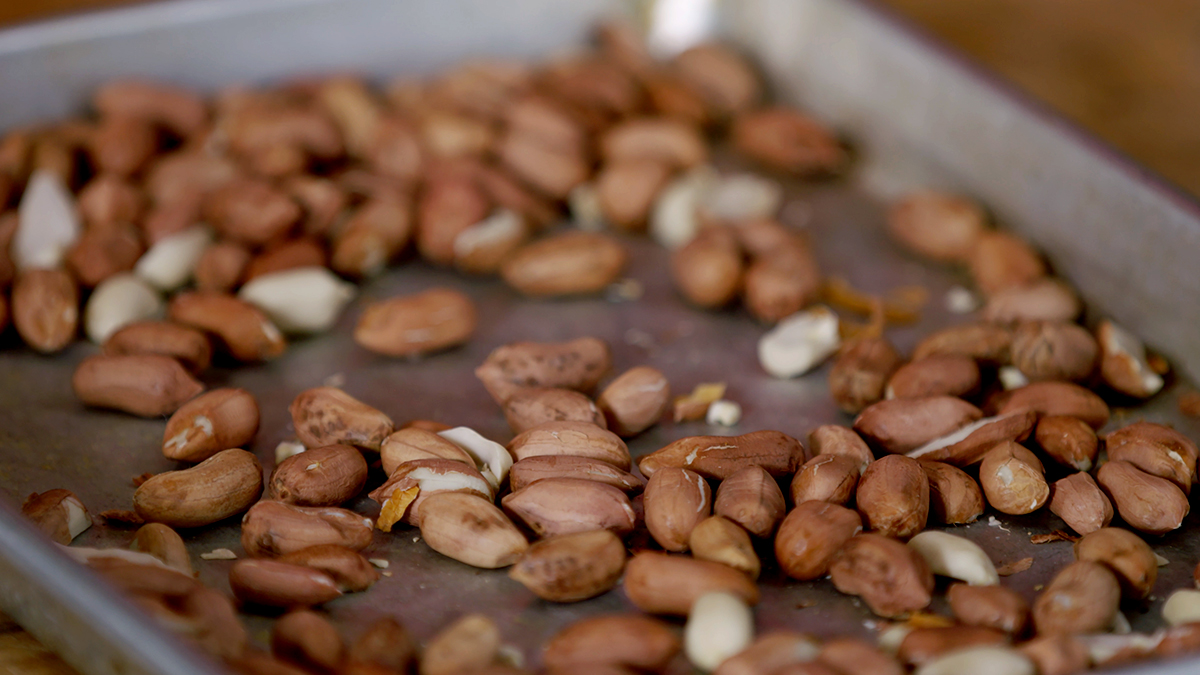
Start with the oven. The card says to preheat it to 400°F and dry roast the peanuts on a sheet pan for 15 to 18 minutes. In the video Edward says about 450 degrees for a few minutes, so go by the card. The card’s roasting step says the peanuts go in with the skins removed, while in the video Edward roasts them with the skins on, then takes the skins off afterward and shows how easily they come away. Either way, aim to get most of the skin off. A little left in is not the end of the world, he says. If you cannot find raw peanuts, he says toasted peanuts from the store work too.
How do you turn the peanuts into butter?
The card lists 15 minutes of hands-on time. The steps:
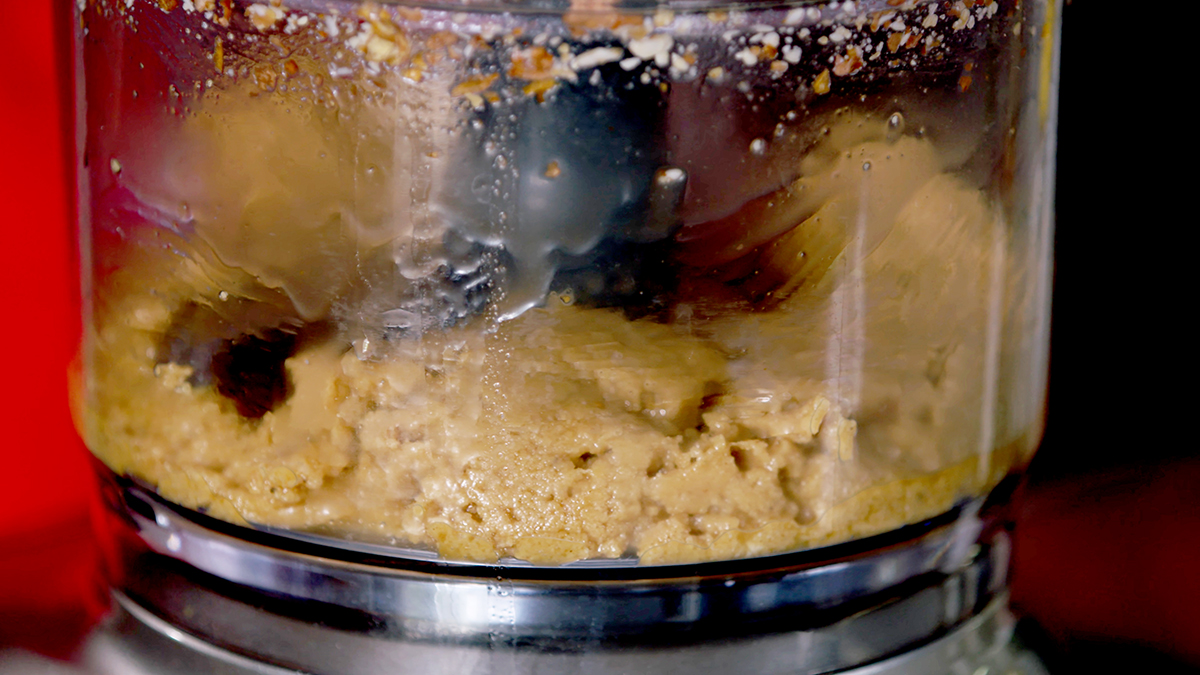
1. Load the roasted peanuts into the food processor and pulse until they are powdery. In the video Edward pulses first to chop the big pieces small, until everything is granular and already tastes like peanut butter.
2. Run the processor on high until the peanuts turn to a paste. In the video it holds its shape when squeezed together.
3. With the processor still running, drizzle in the sesame oil and sorghum syrup until it turns buttery. Edward keeps the lid open and adds them little by little, and leaves some texture in, so it is a bit chunky.
4. Add the salt and togarashi, and taste for salt and spice.
5. Cream it with a few drops of warm water, adding one drop at a time so the mixture does not break.
Edward’s verdict at the end: you could eat it straight from the bowl.
How do you store homemade peanut butter?
The card says to transfer the peanut butter to a sterilized jam jar and keep it in the refrigerator until you need it. To sterilize the jar, the card says to stand clean jars upright in a pot, cover them with 1 inch of water, bring it to a boil and boil for 10 minutes, then turn off the heat and leave the jars in the water for an hour. Lift them out with tongs, drain, and set them on a clean surface. Once opened, the card says the peanut butter can still go for 3 to 6 months if well stored in the refrigerator. That time comes from the card alone: we did not find a USDA or university extension source that gives a storage time for homemade peanut butter, so check a food-safety source before keeping a jar for months. The card also lists a longer total time than the cooking steps suggest, 1 hour in the lesson header and 30 minutes on the recipe, and the jar sterilizing alone includes an hour in the water, so plan for the longer figure.
What do you make with savory peanut butter?
Edward makes this batch for a savory chicken dish. In the Peanut Braised Chicken with Carolina Rice lesson, the card for the drumsticks calls for 2 tablespoons of the homemade peanut butter, stirred into the pot with chicken stock, red miso paste and turmeric before the coconut milk goes in. He also says it will work on a peanut butter and jelly sandwich, though it is less sweet than the jars you buy and has more savory notes. Your next batch could go a different way: Edward says cashews are the best swap because they are just as creamy, and he mentions walnut and pecan butter as well. Every step here is the method taught by Edward Lee.

James Beard Award winning writer and best-selling cookbook author Edward Lee takes viewers from the farm to his restaurants and home in Louisville, Kentucky and teaches lessons on his beloved dishes including Fried Chicken with Gochujang Sauce, Oysters and Grits, Cabbage-Steamed Fish, and more.