What Is Basil? A Guide to Its Varieties and How to Use Them
Basil is an herb in the mint family with a sweet, peppery flavor and a faint anise note, but "basil" isn't really one thing, the sweet Genovese basil most people know is only one of several varieties with genuinely different flavors and uses. Here's how the common types differ, why fresh basil fades so fast, why pesto turns brown in the fridge, and how to keep a bunch alive longer than a couple of days.
Not all basil is the same variety
Genovese basil, the large-leafed, sweet variety sold in most grocery stores, is what’s behind pesto and most Italian cooking. Thai basil has a firmer leaf and a distinct anise-licorice note that holds up to high heat, which is why it survives a stir-fry instead of wilting into nothing. Holy basil, also called tulsi, is peppery and slightly clove-like, and is a different plant from Thai basil entirely despite the similar look. Purple basil (often sold as Dark Opal) has a milder, slightly more peppery flavor and is used as much for its color as its taste.
Why fresh basil loses flavor so fast
Basil’s flavor comes from volatile aromatic oils in the leaf, and those oils break down quickly once the leaf is cut, bruised, or heated, which is why basil added at the start of a long-cooked sauce tastes like almost nothing by the time the dish is done. It’s also why a cut or torn basil leaf browns faster than most herbs, the damaged cell walls release compounds that react with air. For the brightest flavor, add basil at the very end of cooking, off the heat, rather than early.
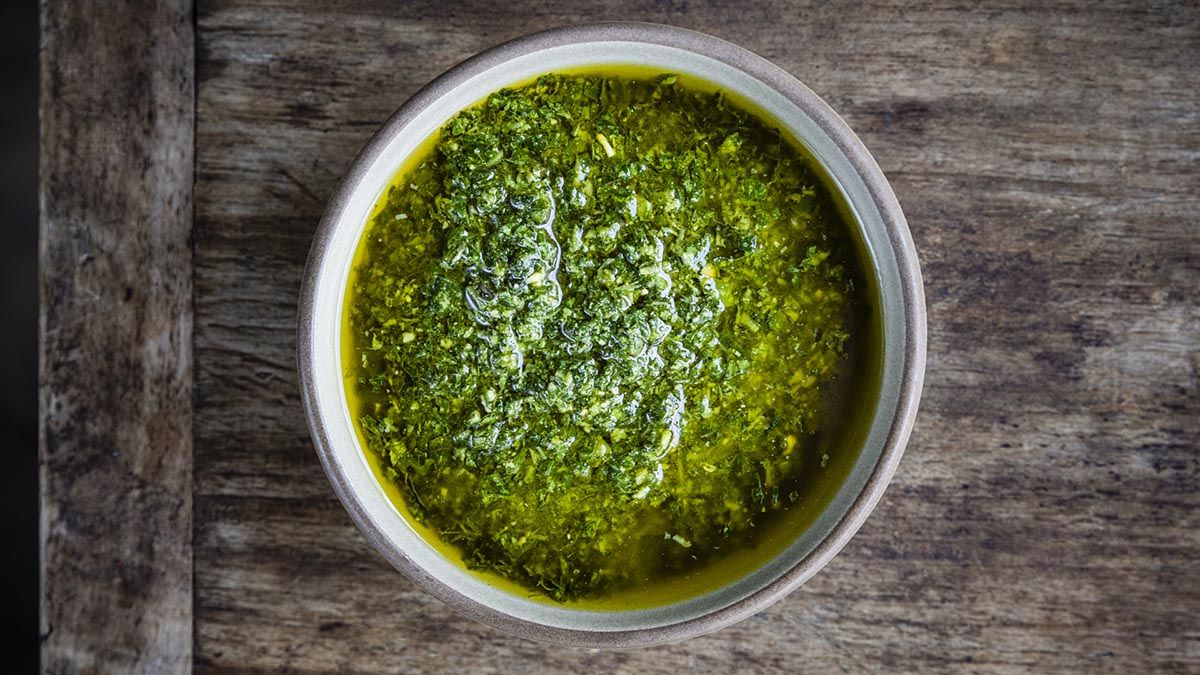
Nancy Silverton's Basil Pesto shows why raw is the right call
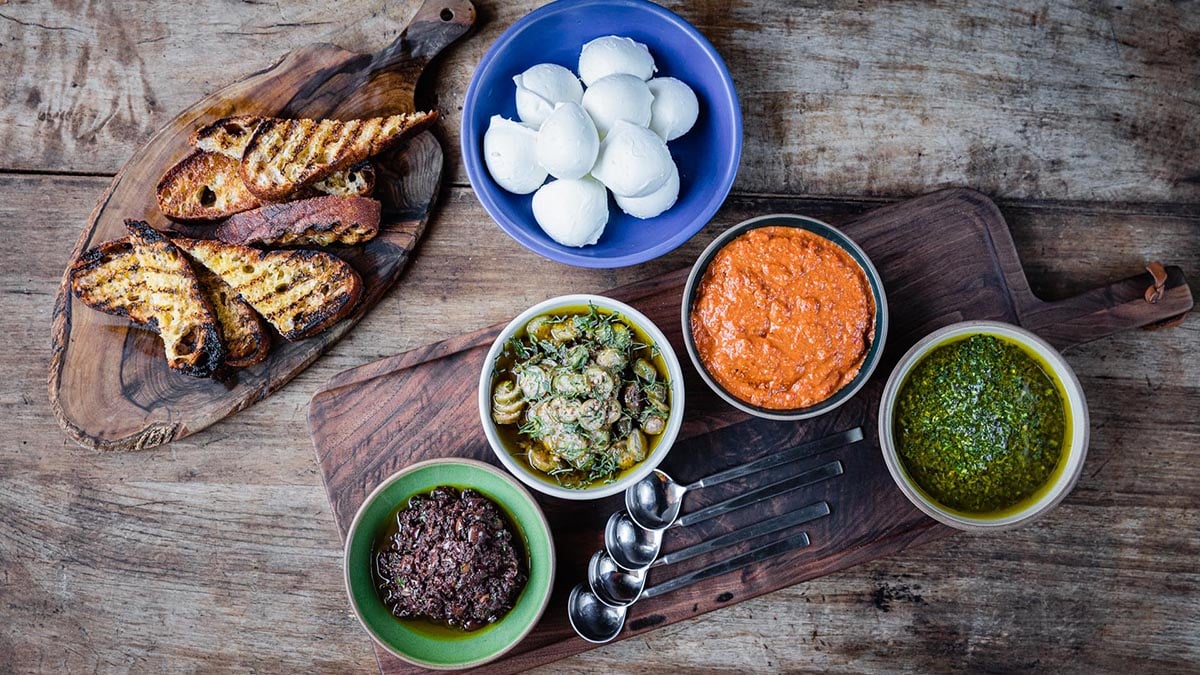
Chef Nancy Silverton‘s Basil Pesto, from her Quattro Condimenti with Fett’unta lesson, blends the leaves raw rather than cooking them into the sauce, which is exactly why pesto tastes brighter and greener than almost anything else basil goes into. Cooking basil trades that brightness for depth, which is the right call in a simmered sauce, but the wrong one in a condiment whose entire point is fresh, punchy flavor.
Why pesto turns brown, and how to stop it
Pesto browns for the same reason a cut basil leaf does, oxidation, just accelerated because blending exposes far more surface area to air at once. A splash of lemon juice or extra acid slows the reaction, and a thin layer of olive oil poured over the top of stored pesto seals it away from air entirely. Some cooks blanch the basil for a few seconds before blending specifically to stop this discoloration, though it softens the flavor slightly along with the color.
Substituting dried basil for fresh isn't 1-for-1
Dried basil loses the bright, peppery top notes fresh basil has, leaving a more muted, slightly hay-like flavor behind. The standard swap is one teaspoon of dried for every tablespoon of fresh, roughly a 3-to-1 ratio, since drying concentrates what flavor remains. That ratio works fine in a cooked sauce, but it doesn’t work in pesto at all, the dish depends on the volume and oil content of fresh leaves, not just their flavor, so dried basil has no real substitute there.
Keeping fresh basil alive longer
Treat basil like cut flowers rather than produce: trim the stems and stand the bunch in a glass of room-temperature water, loosely covered with a plastic bag, and it’ll keep for a week or more instead of the couple of days it lasts wrapped in the fridge. Cold actually damages basil, leaves stored below about 50°F tend to blacken and turn slimy, which is why the fridge is the wrong place for it even though that’s where most other herbs belong. Change the water every two to three days and it’ll keep growing roots rather than just surviving.

James Beard Award-winning chef, best-selling cookbook author, and the restaurateur behind Michelin-starred Mozza, Nancy Silverton takes viewers on a journey from her home in Panicale, Italy, to her home in Los Angeles. Viewers learn a range of Nancy’s renowned dishes, including her signature Caesar Salad, Chi Spacca Pepper Steak, 10+ vegetarian dishes, Mom’s Apple Pie, and more.