What is Bagna Cauda? How to Make and Serve the Tastiest Appetizer
If you have garlic, anchovies, and butter, you can prepare a fantastic bagna cauda, one of chef Nancy Silverton's favorite dishes to make when entertaining. This versatile, rich, and fragrant dip is guaranteed to totally wow guests at your next dinner party and transport your meal straight to Italy.
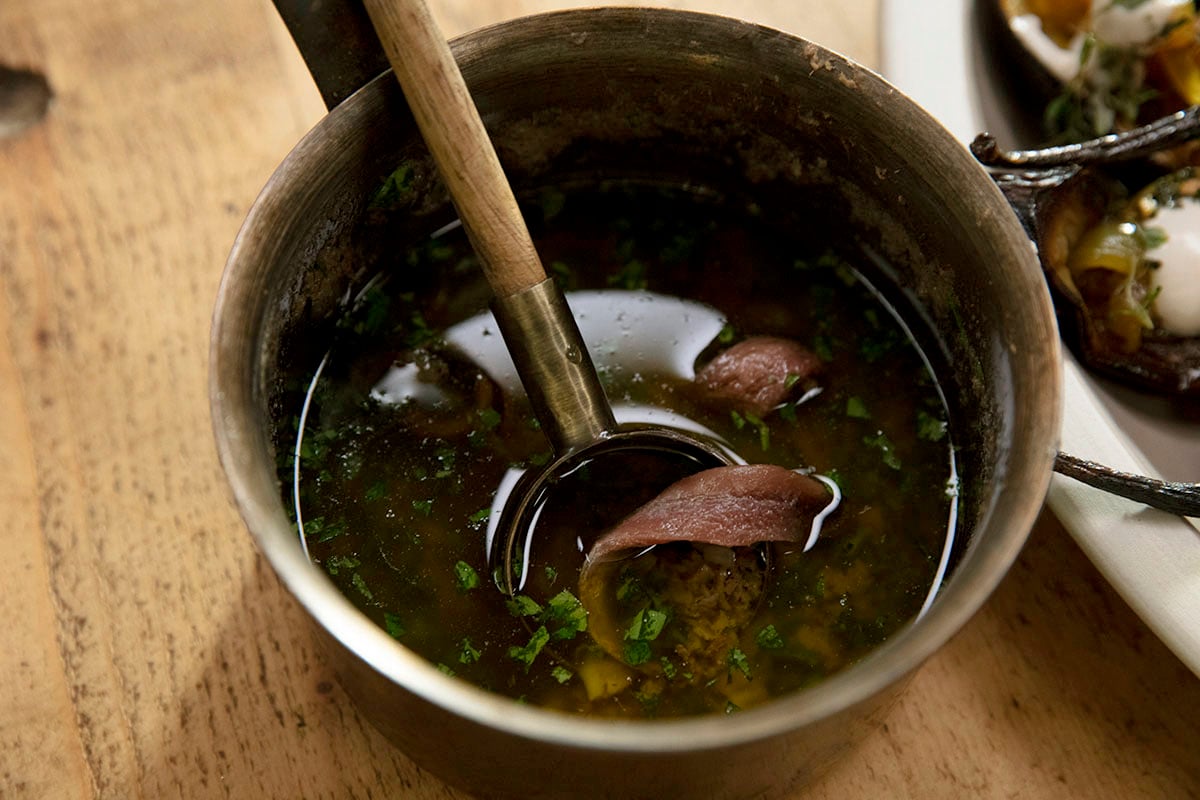
What is bagna càuda?
Bagna càuda, pronounced ‘banya cawda’, is a hot and delicious dip or sauce popular in Piedmont cuisine, reigning from Italy’s Piedmont region. This Italian dipping sauce, made with anchovies, butter, olive oil, garlic, and herbs, loosely translates from the Piedmontese dialect to mean ‘hot bath’ or ‘hot sauce’.
The salted anchovies are the secret to this flavorful recipe; the saltiness of the anchovy fillets brings out all the flavors in the butter, garlic, and extra virgin olive oil. Bagna Càuda is best as an entertaining centerpiece on the table, surrounded by toasted bread and fresh raw sliced vegetables. You’ll recognize bagna cauda by its glossy finish, almost liquid texture, and deep, earthy hue. And of course, you’ll smell its intoxicating aromas from far away. If you adore anchovies, butter, and garlic, bagna cauda is for you.
What dish do you use to make bagna cauda?
Chef Nancy Silverton likes to prepare bagna cauda in a copper pot, which also doubles as a beautiful serving dish and table centerpiece. Why a pot? Since bagna cauda is generally served as an appetizer, if guests slowly arrive or arrive late, the anchovy dip can be promptly reheated on low heat without using other dishes. Just make sure to place it on a heat-insulating surface when serving, similar to a fondue pot.
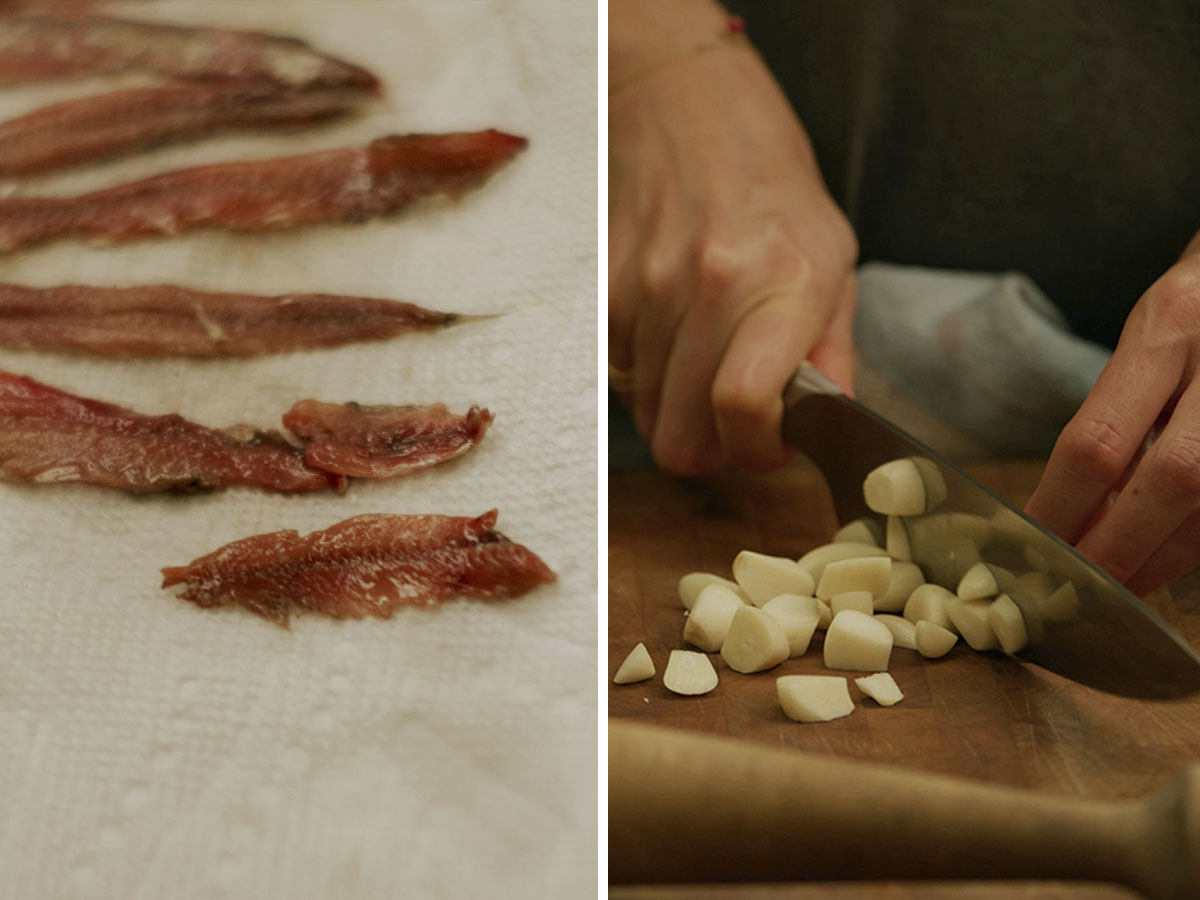
As for the preparation process, for a rustic, hands-on experience, take out a mortar and pestle, warm up your wrists, and get ready to smash the garlic and anchovies together until the anchovies melt and garlic is pounded.
How to serve bagna cauda?
This simple yet delicious warm sauce can be served with vegetables or bread. A bubbly, fragrant dip for crunchy, raw vegetables is, of course, the leading most traditional recipe to serve bagna cauda. Anything goes for this anchovy dip in terms of crudités: radishes, sliced fennel, cauliflower florets, celery, and baby carrots. Cooked vegetables like Jerusalem artichokes and boiled potatoes with extra virgin olive oil are also great for dipping purposes.
While traditional recipes for preparing bagna cauda call for both raw and cooked vegetables, Chef Nancy Silverton also loves serving her recipe for this hot dip as a sauce, alongside beautiful roasted potatoes, which is an instant flavor boost.
Can bagna cauda be used in a salad?
While bagna cauda is generally served hot, it does have multi-purpose flavor magic. For the ultimate Caesar Salad Recipe, chef Nancy Silverton likes using bagna cauda sauce as a soaking emulsion for croutons. Here, she submerges the bread chunks in the Italian anchovy sauce. Caesar salad already features anchovies, so this trick doubles up on the ingredient for a unique twist on the classic Caesar. Once the bread chunks soak up the flavor and are dried, they’ll add extra excitement to every bite.
What else can you do with bagna cauda?
Bagna cauda dressing, bagna cauda salad, and pasta bagna are also popular bagna cauda recipes. Home cooks can take leftover bagna cauda and spread it on a piece of crusty bread with more olive oil or incorporate it into Pizzas and Flatbreads. Use your imagination! Any dish or recipe that could use an umami-rich touch of butter, garlic, olive oil, and salt packed anchovies can benefit from some bagna cauda – that is, if you have any left.

James Beard Award-winning chef, best-selling cookbook author, and the restaurateur behind Michelin-starred Mozza, Nancy Silverton takes viewers on a journey from her home in Panicale, Italy, to her home in Los Angeles. Viewers learn a range of Nancy’s renowned dishes, including her signature Caesar Salad, Chi Spacca Pepper Steak, 10+ vegetarian dishes, Mom’s Apple Pie, and more.