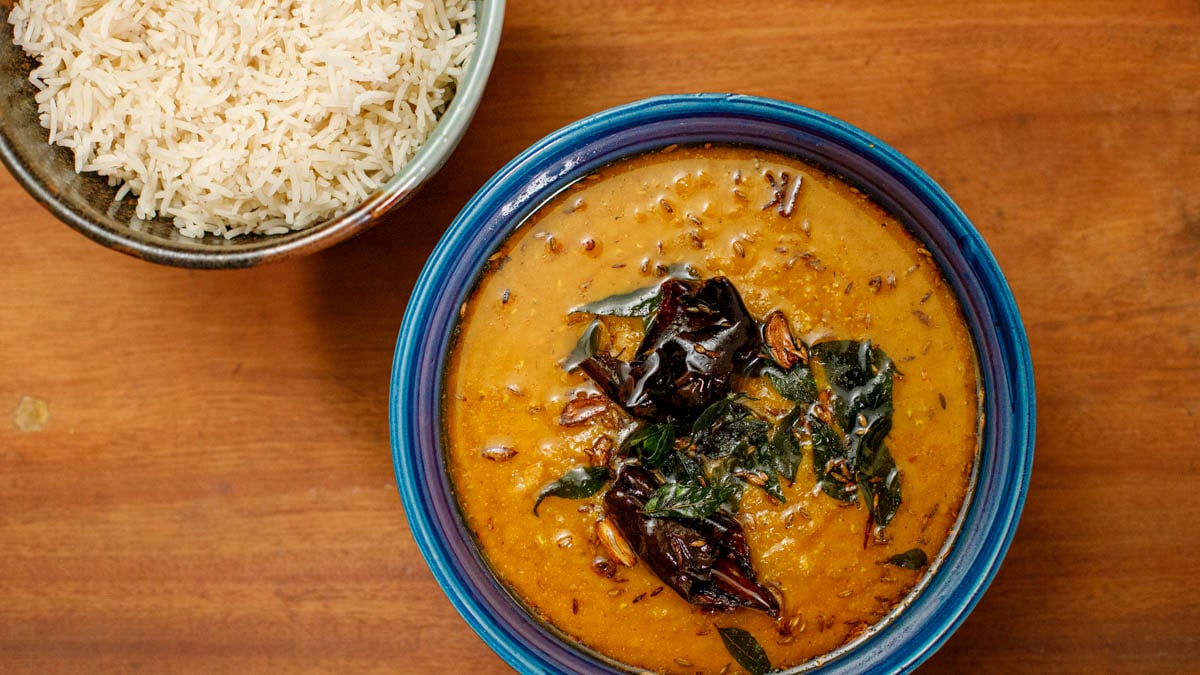
“Dal is something we eat every day, it’s unusual to not have dal on the dinner table,” Asma says about one of her favorite comfort foods.
Up to 40% off + extra $30 off with code val30off
up to 40% off Ends soon
Recipes your family will love
“Dal is something we eat every day, it’s unusual to not have dal on the dinner table,” Asma says about one of her favorite comfort foods.
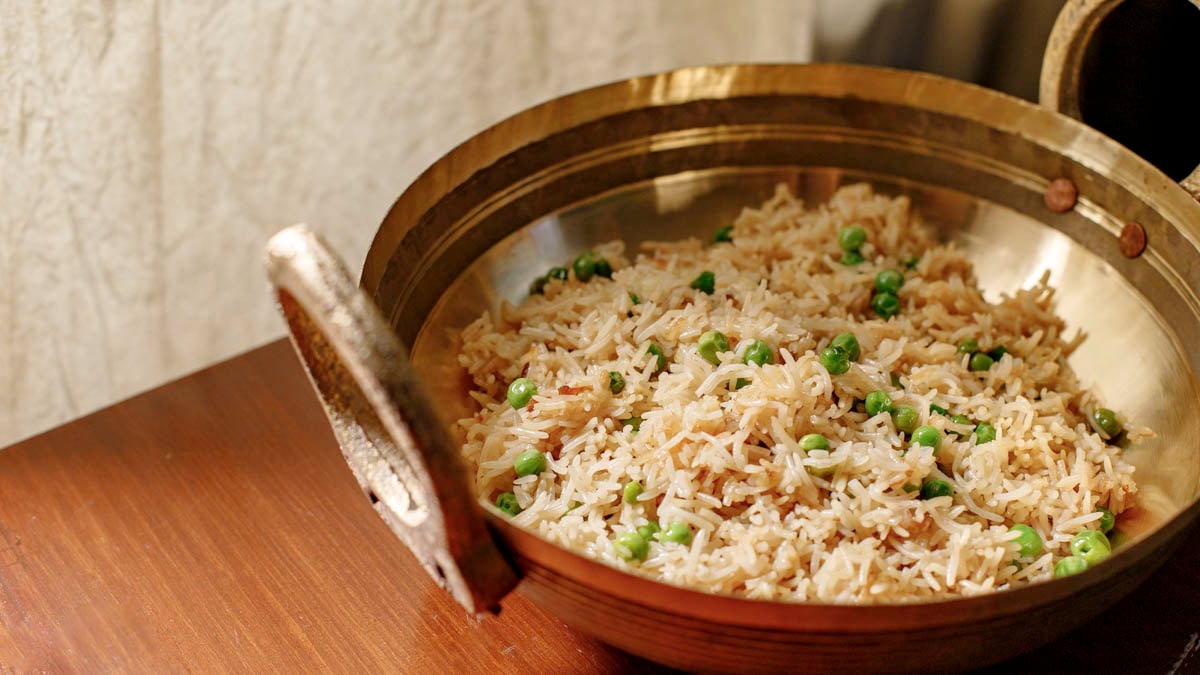
Add some extra excitement to your plain white rice and learn how to make this simple, straightforward, and ultra flavorful side dish. ‘Matar’ is Hindi for green peas and ‘pulao’ means pilaf, and when you put those two words together, you get ‘matar pulao’ or ‘peas pulao’ the classic and insanely popular Indian rice and peas dish. If you want to learn more about masalas (spice blends), this lesson is a must watch!
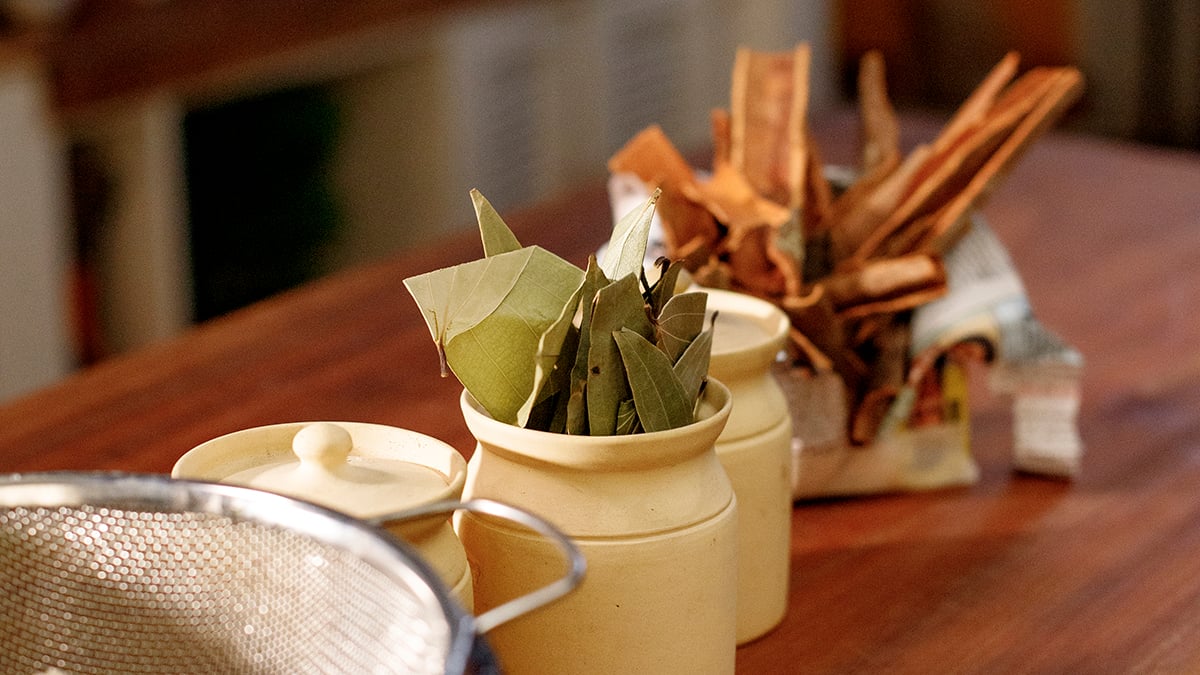
Master how to make masala and learn to blend your very own spice mix at home. This will introduce warm masala flavors into every dish.
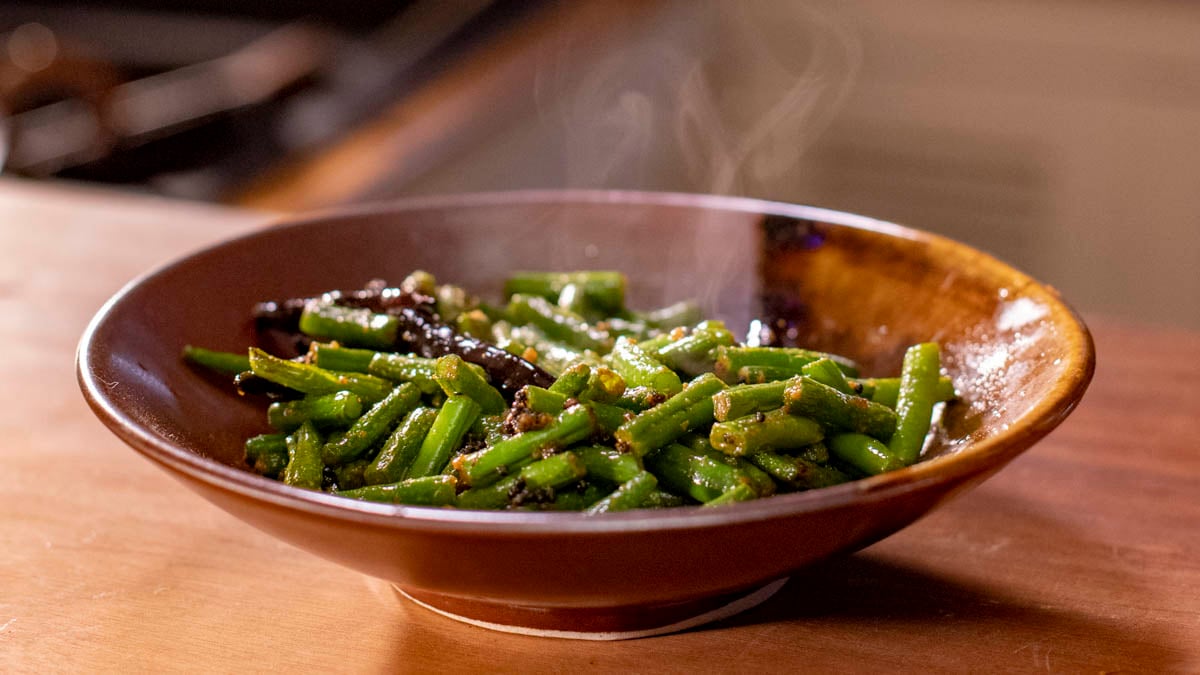
Make these flavor-packed Bengali beans, the perfect fiery side dish to the mild and floral chicken korma, or to eat any day of the week.
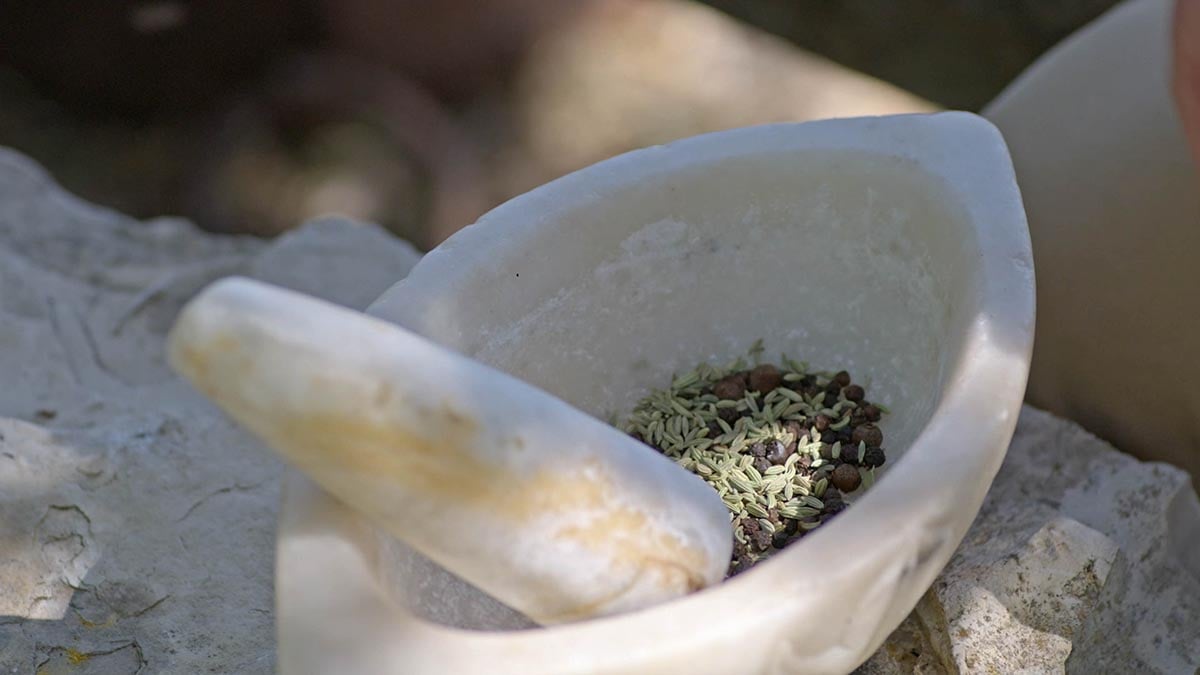
In Arabic, “baharat” means “spices” and can refer to different blends, each made for a specific dish or ingredient. Make Erez’s special spice blend with crushed peppercorns, allspice, fennel seeds, nutmeg, cardamom pods, and cinnamon.
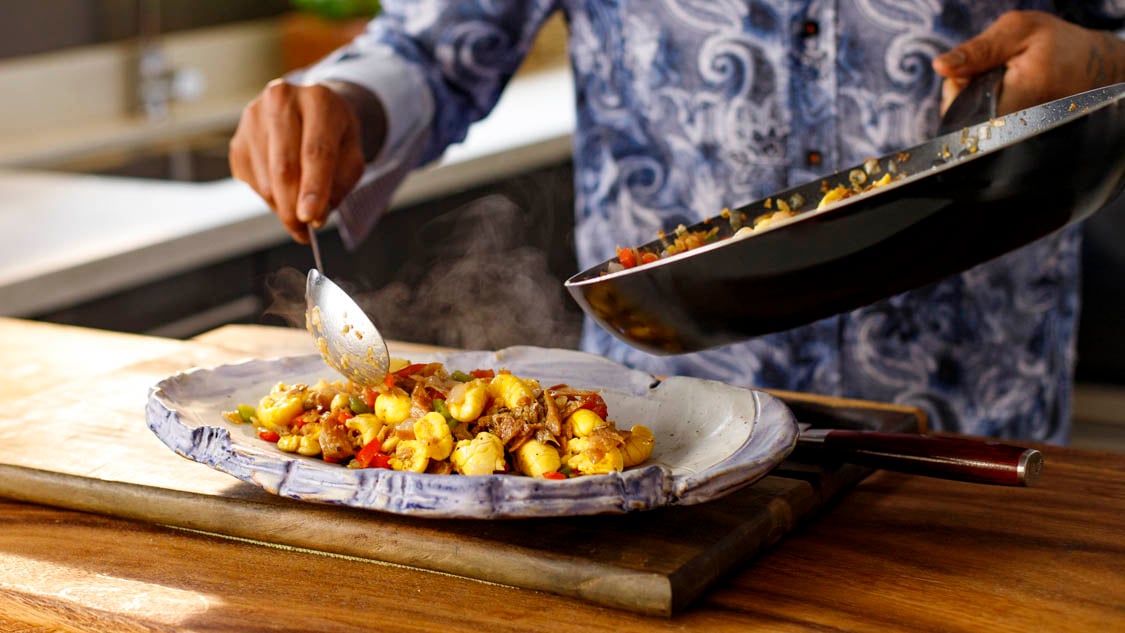
It’s not breakfast in Jamaica without ackee and saltfish, a dish that Kwame’s Grandma Gloria would serve him as a child. Kwame teaches all about Jamaica’s national dish that reminds him of comfort and heritage.

Make the hot red chili pepper paste at home. It will last for months in an airtight container and will add some true spice and zing to your next dish.
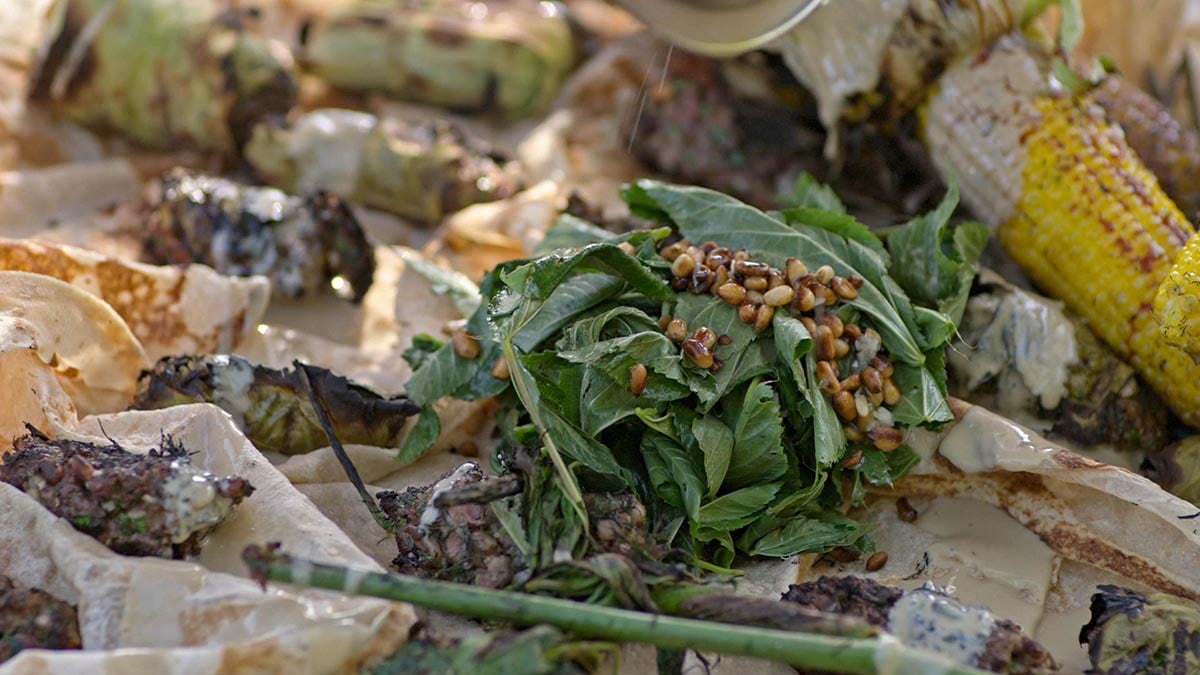
A leafy green salad with roasted pine nuts and dressed with lemon juice for added freshness. If you can’t find mulukhiyah leaves, substitute with spinach, kale, baby Swiss chard, or any other firm greens.
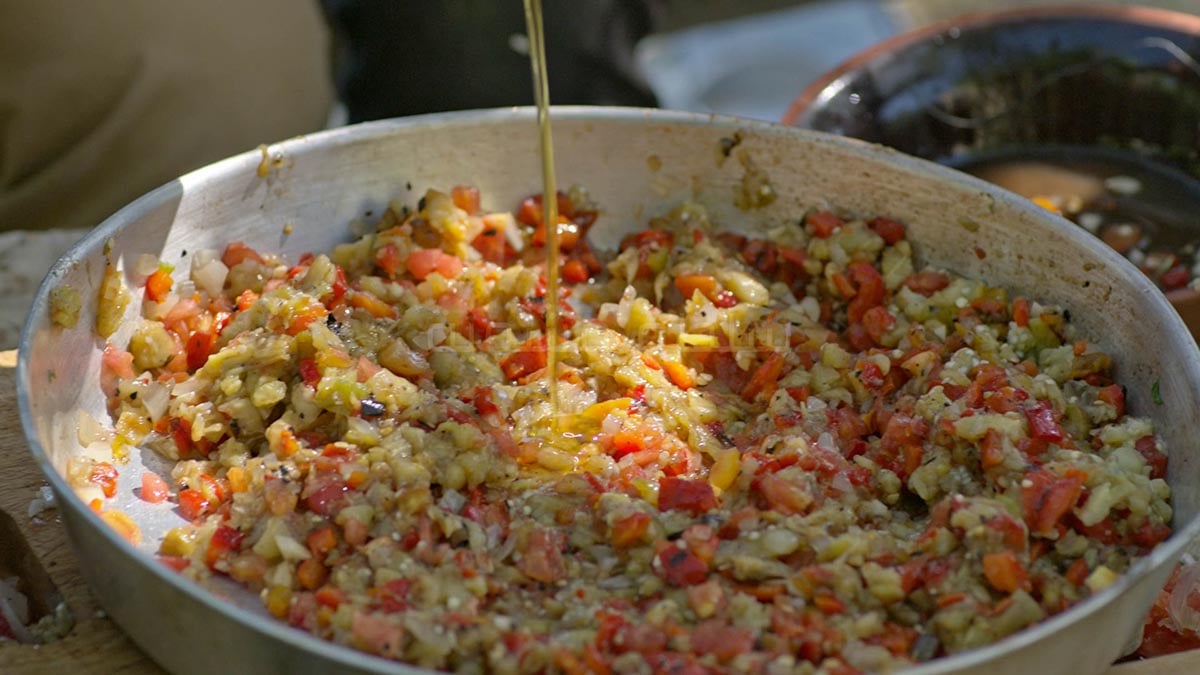
A delicious spicy Libyan salad with charred eggplant, onions, and peppers. The heat of the peppers balances well with the sweetness of the date honey syrup and fresh mint leaves.
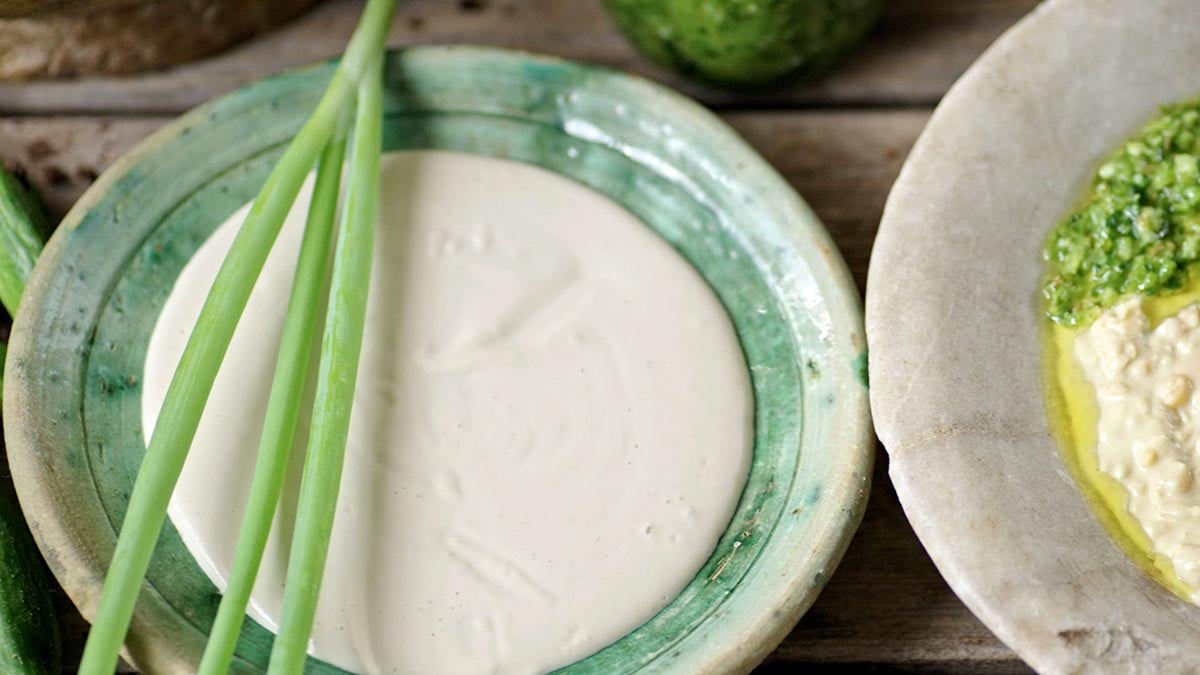
Forget store-bought tahini, learn how to make your own at home with just a few ingredients.
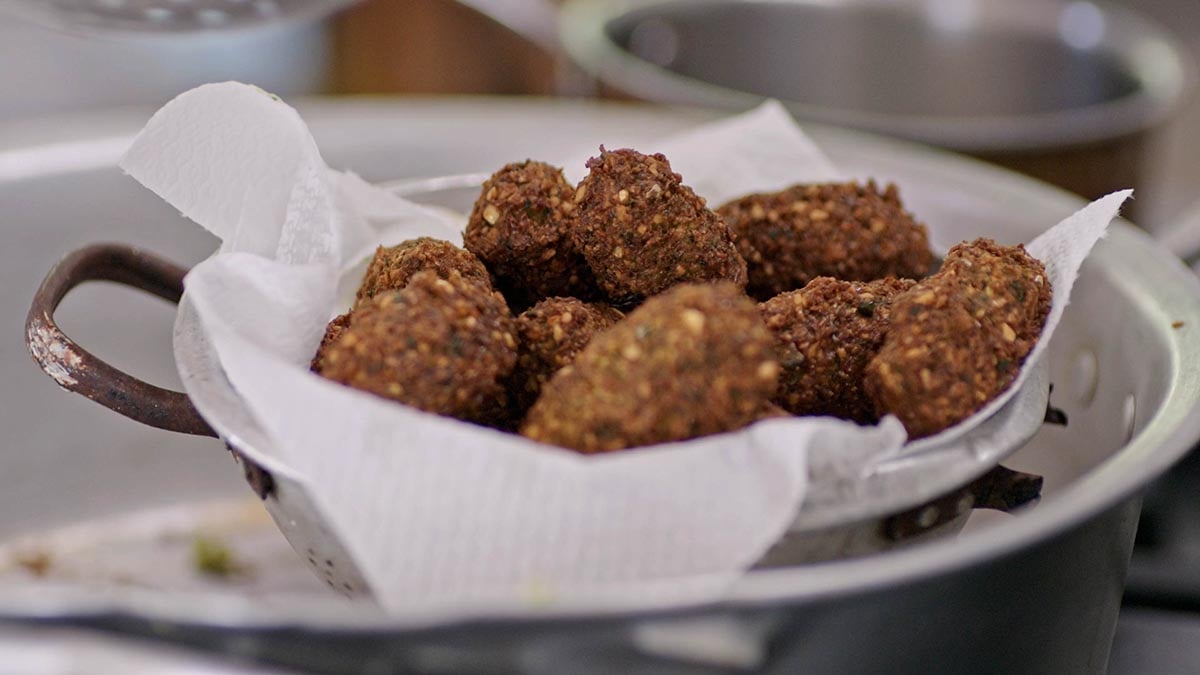
The national lunchtime favorite in Israel consists of deliciously spiced fried chickpeas. It’s easy to make and incredibly tasty.
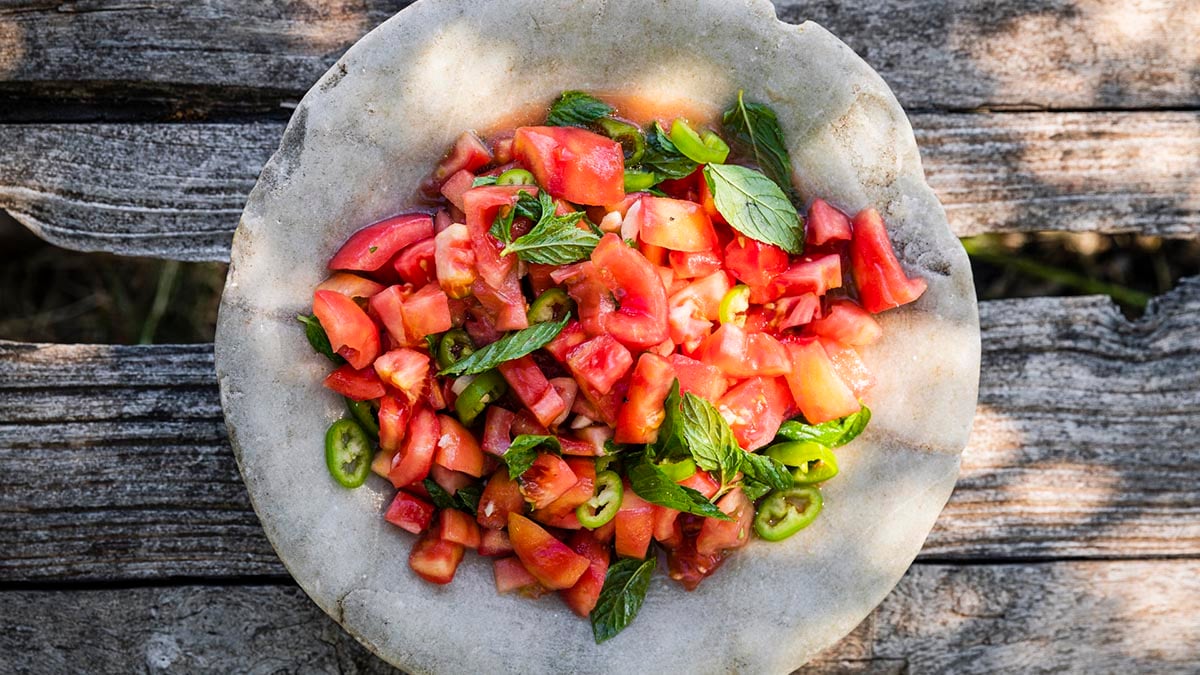
Not just a tomato salad, Erez takes it to new heights by adding his favorites, mint, and chili. Learn how to make this summery salad and get inspired by its flavors.
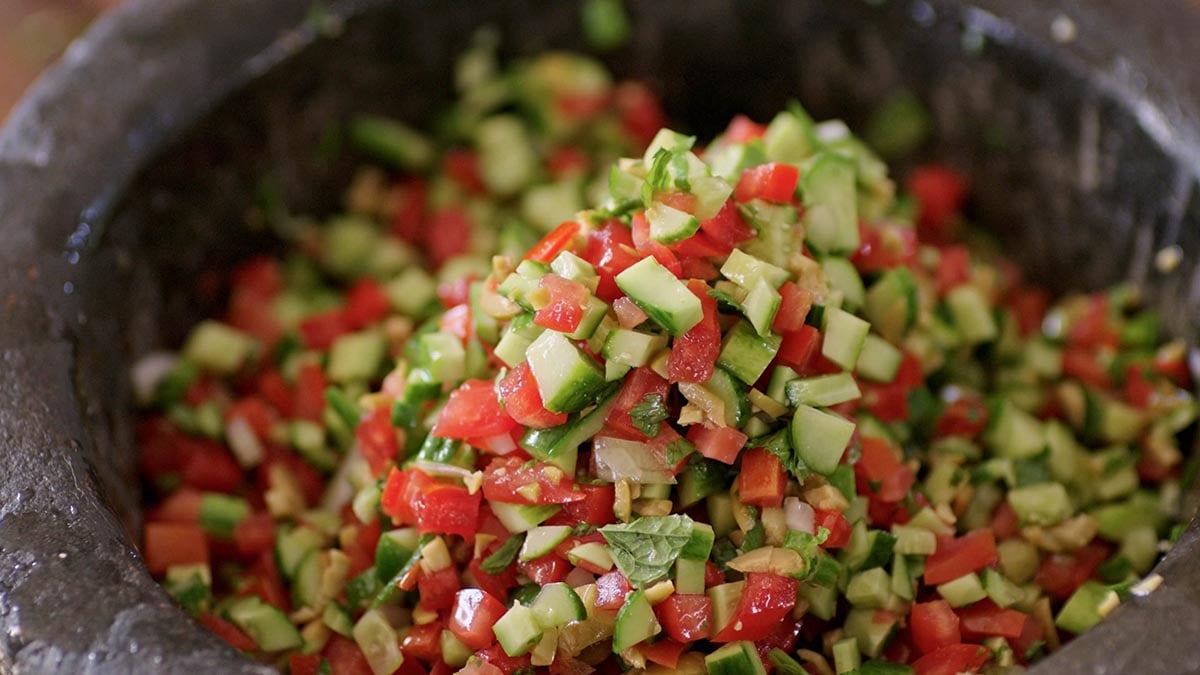
An Israeli mezze spread wouldn’t be complete without this chopped Arabic-Israeli salad filled with fresh and crunchy chopped vegetables, and simply dressed with lemon and olive oil.
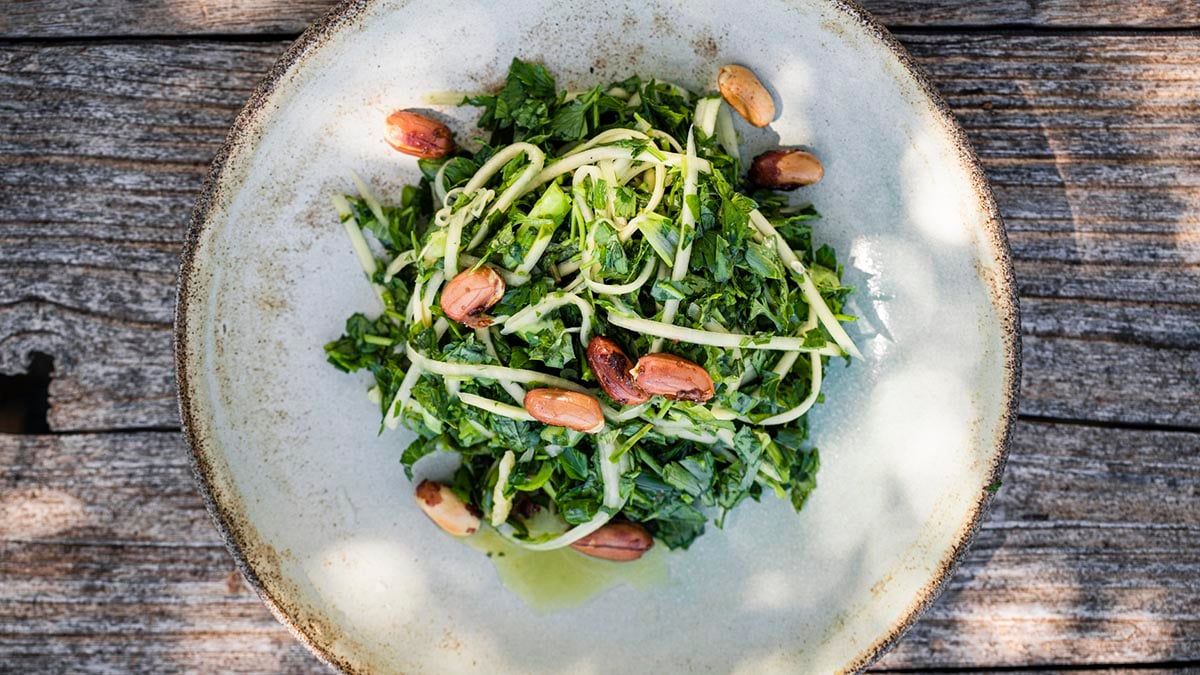
A spin on the regional Tabbouleh salad, with other variations offered in Erez’s class, this one stands out with the use of Papaya. Tangy, tart, and caramelized peanuts to add some crunch and sweetness. As Erez would say, ‘Wowowowow’.
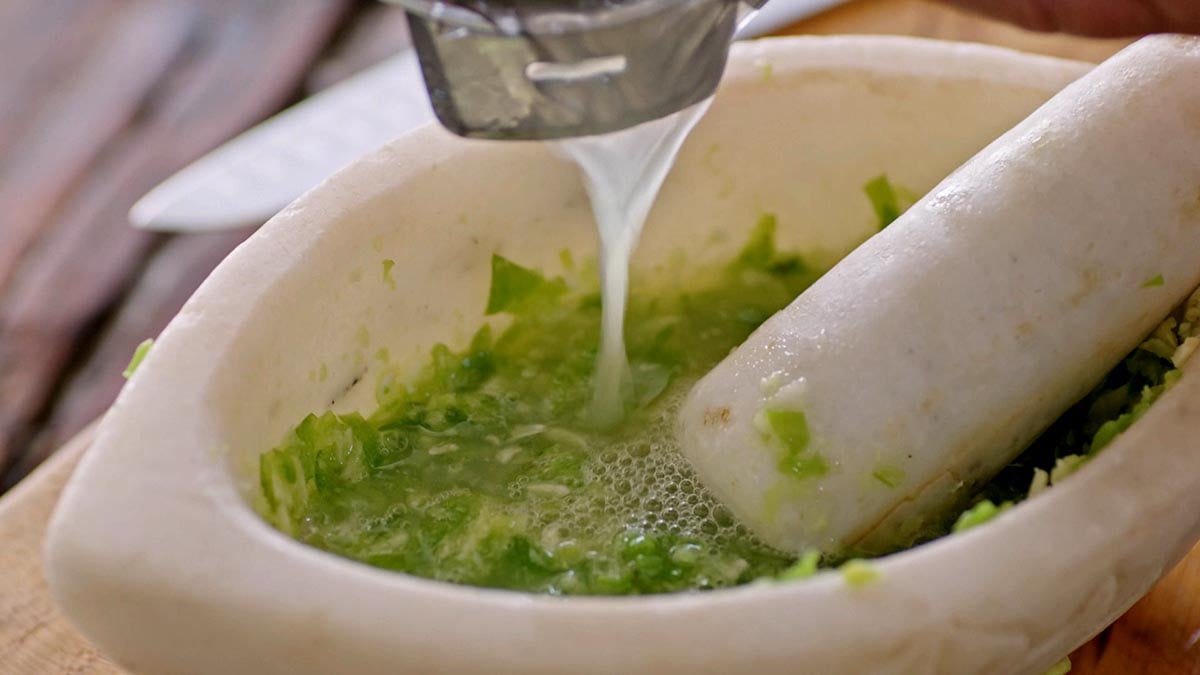
This Arabic spicy relish is used across the Middle East, and can be found in many Israeli kitchens. Erez uses it as a topping masabacha, but you can slather it on fried fish, drizzle on eggs, or douse on falafel.
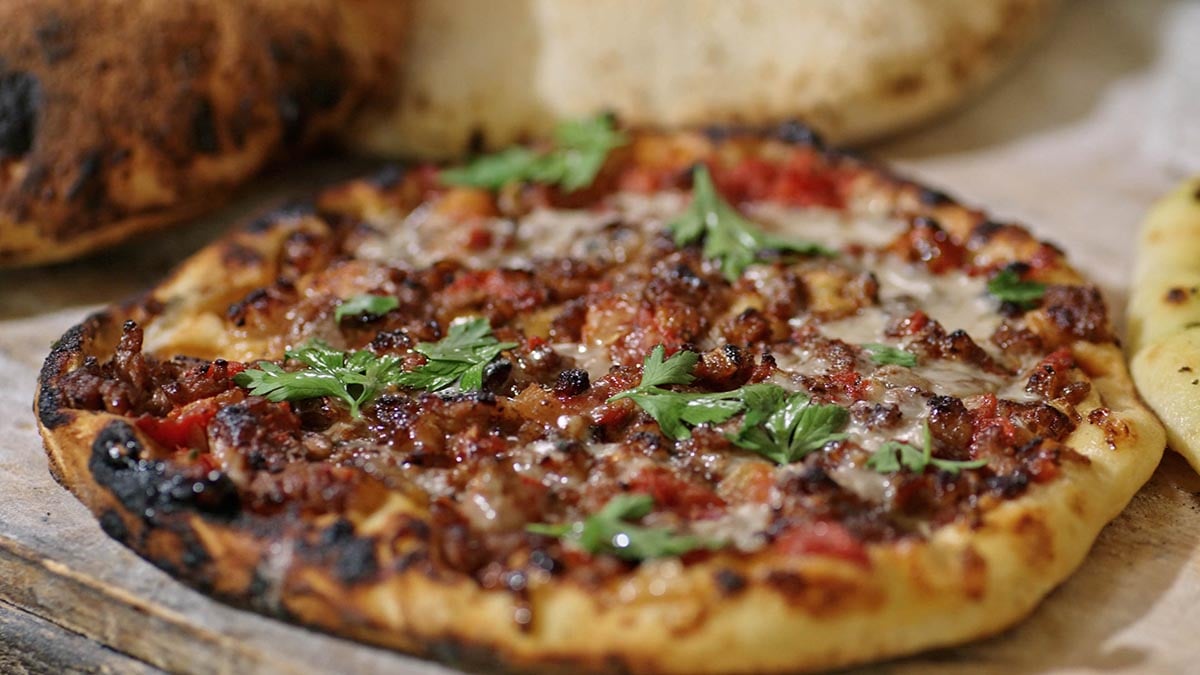
Turn pliable pita dough into Sficha, a Middle Eastern pizza.
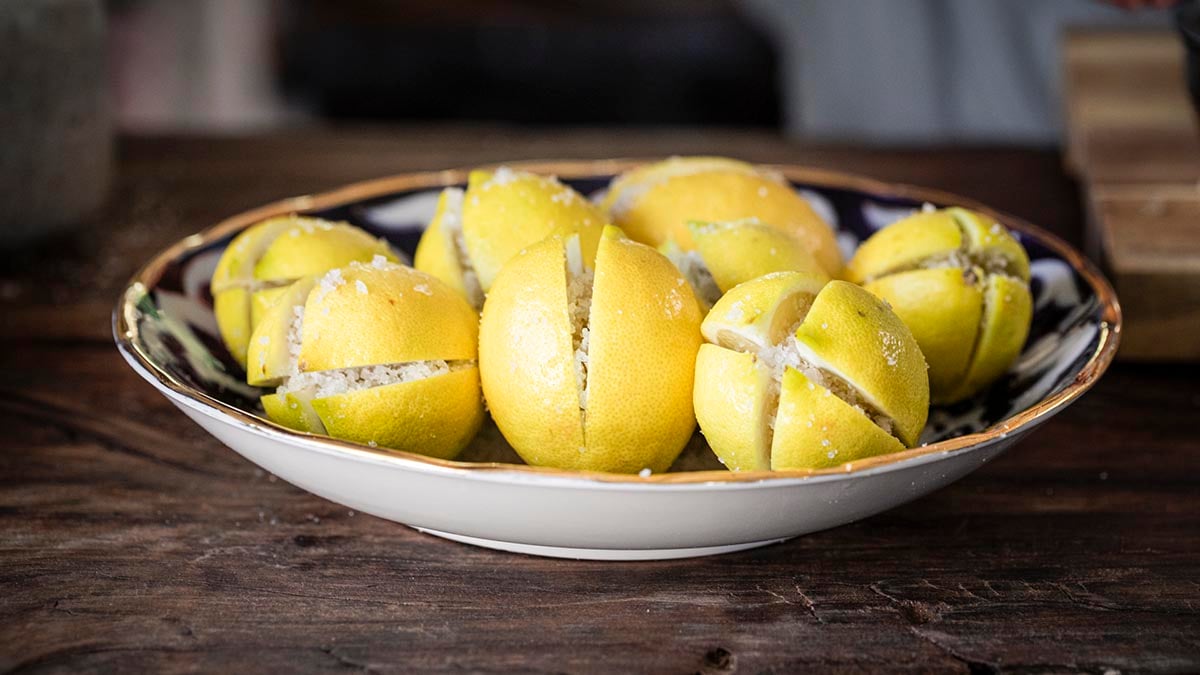
Preserved lemons are an important part of Erez’s kitchen. The salty, briny, citrus flavor brings a beautiful pop of color and flavor, and brightens up any dish. Beautiful, delicious, and long-lasting, get these lemons on your countertop, too.
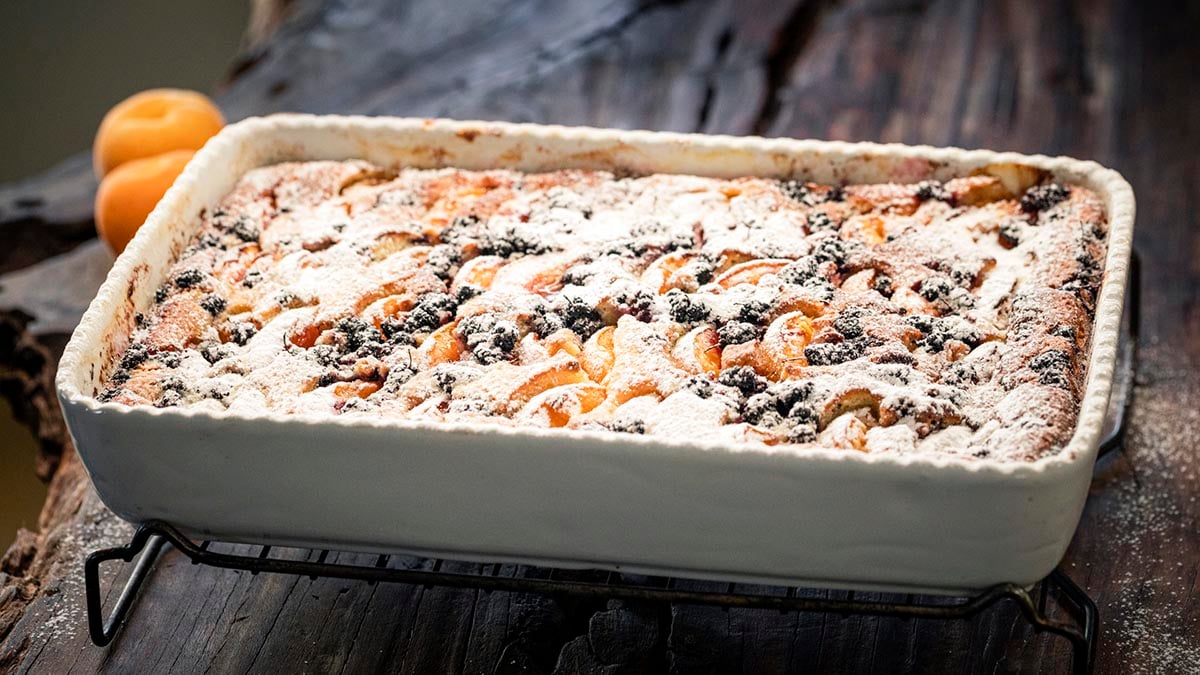
Erez teaches a simple, sweet, summery cake straight from his childhood. This quick confection is based on a batter of butter, flour, sour cream, and lemon zest, and topped with juicy fresh apricots that are roughly halved and dunked waist-deep in the batter.
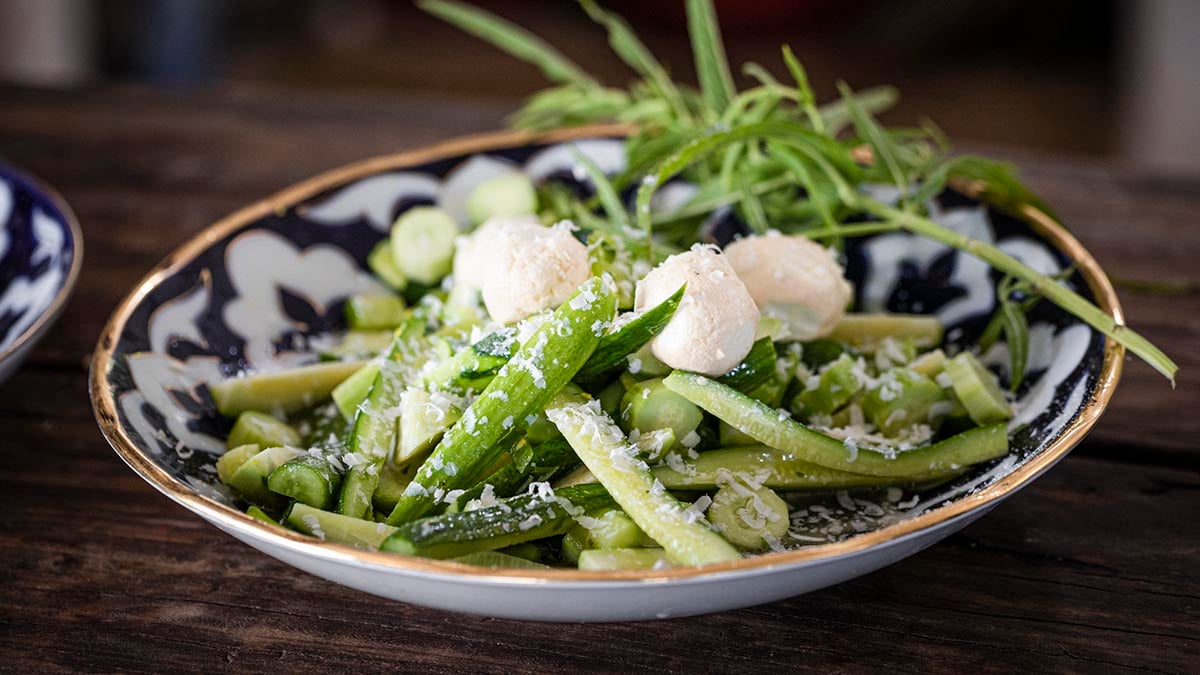
A joyful bowl of crunchy textures, this refreshing salad combines cucumbers, hot chili pepper, wild mint, and creamy labneh balls.
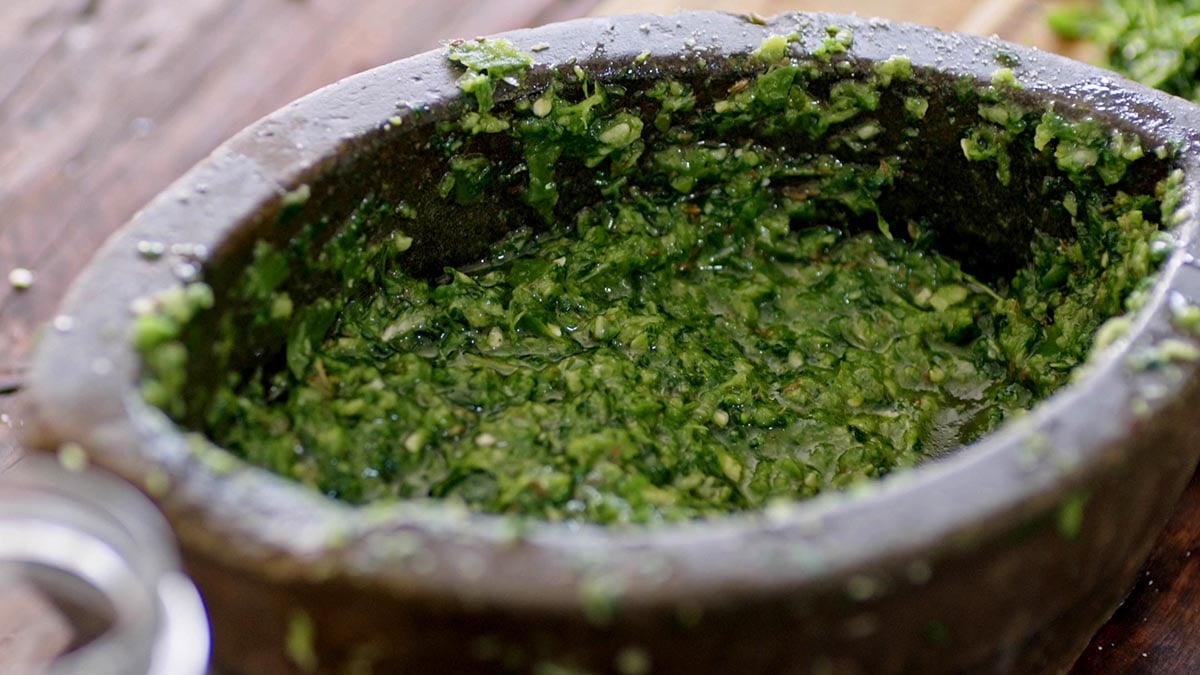
This delicious Yemenite green sauce can be easily made with a blend of herbs and spices. It’s wonderful served with warmed hummus, pita, falafel, or really any dish.
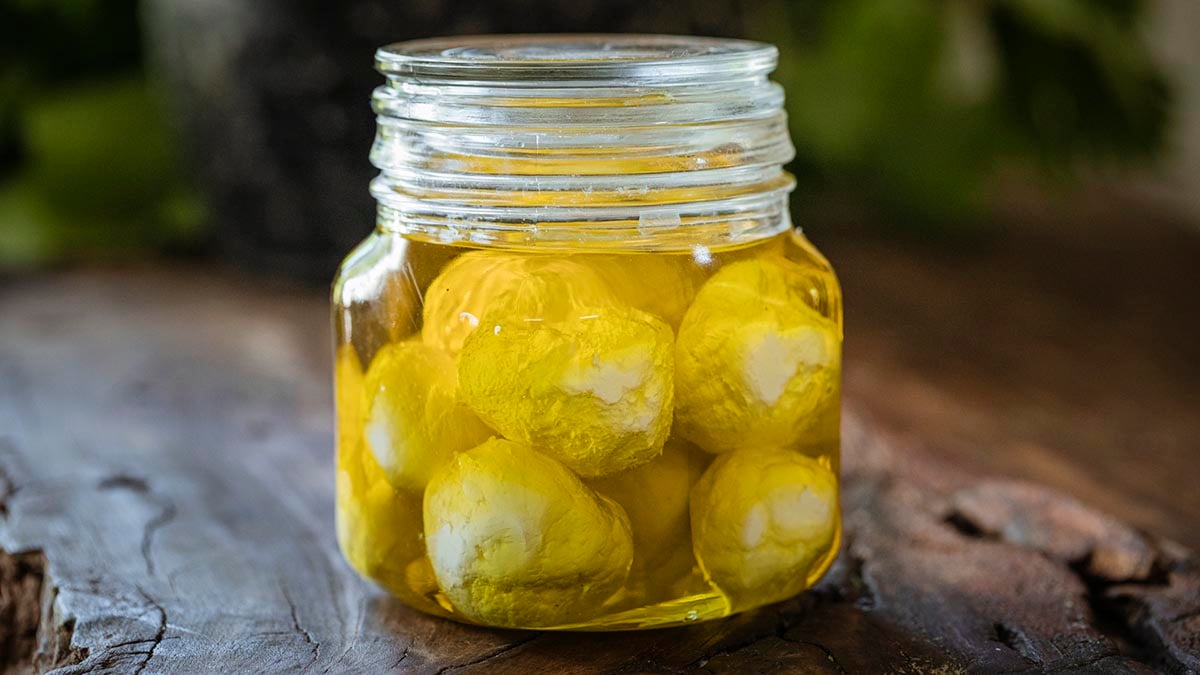
A staple in Erez’s kitchen, the simple nature of Labneh balls can be used in a variety of ways: in salads, with eggs, over a toast, it’s really up to you. Learn the secrets to creating perfectly preserved balls of cheesy love.
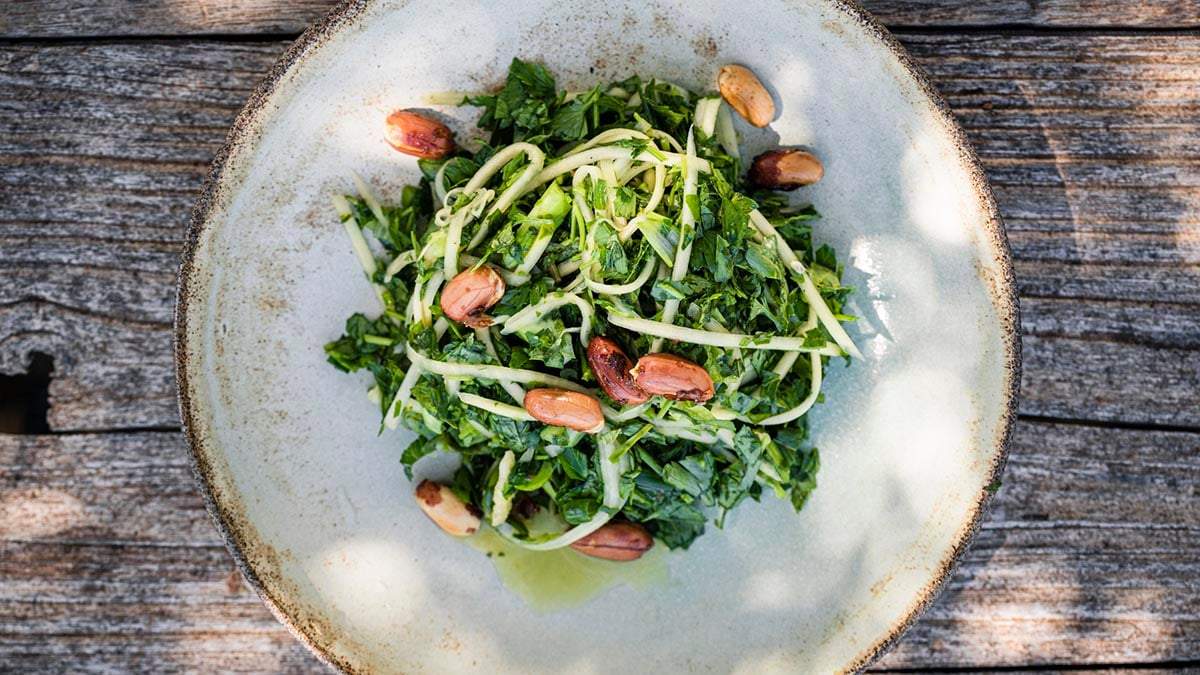
Erez shows you his simple method for creating crunchy, caramelized nuts. Using peanuts or any other favorite nut but with herbs, spice, and savory tones thanks to Erez’s touch. Put it in Erez’s Papaya Tabbouleh salad, or add it to anything you like.
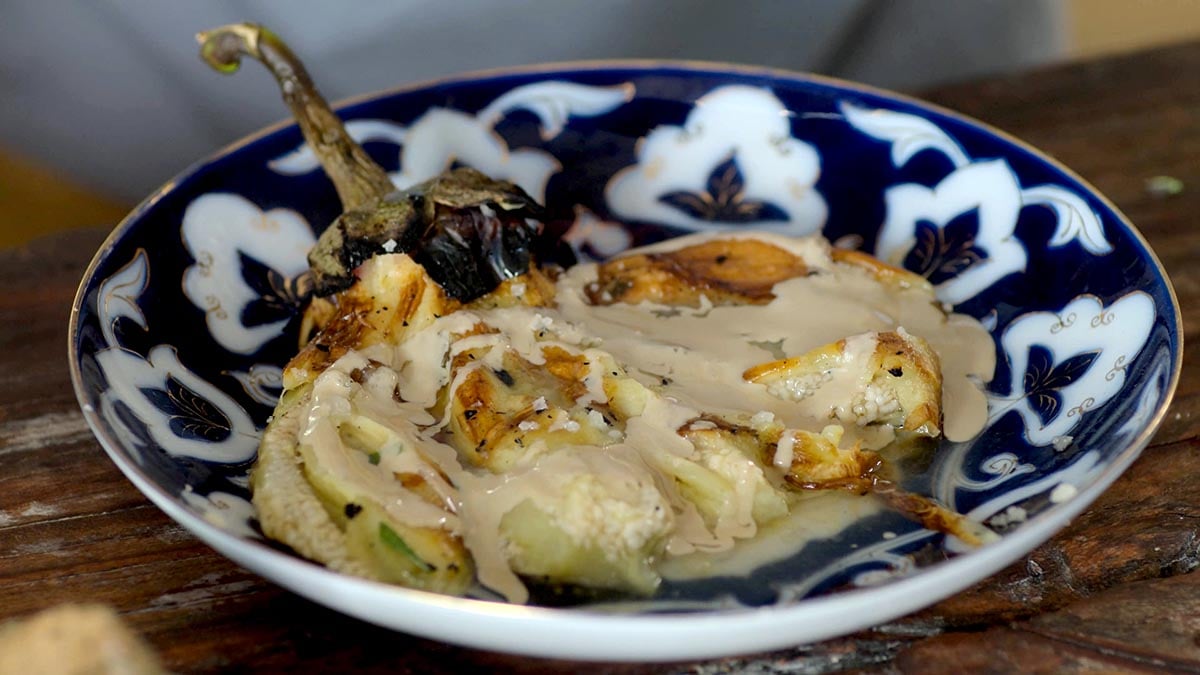
The ultimate Israeli dish, char the eggplant directly in the fire and top with sweet and tart pomegranate syrup and rich tahini.
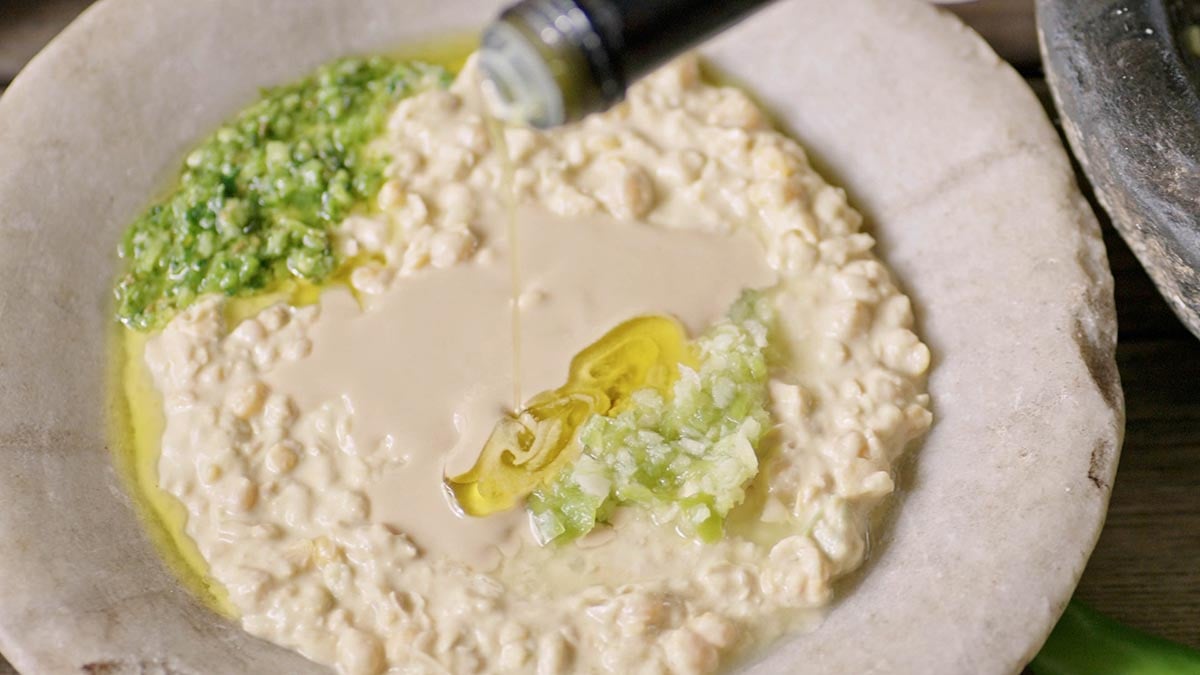
Once you make your own hummus, it is almost impossible to go back to store-bought. There’s nothing more irresistible than dipping a pita chip or raw vegetables into this warm creamy homemade hummus.
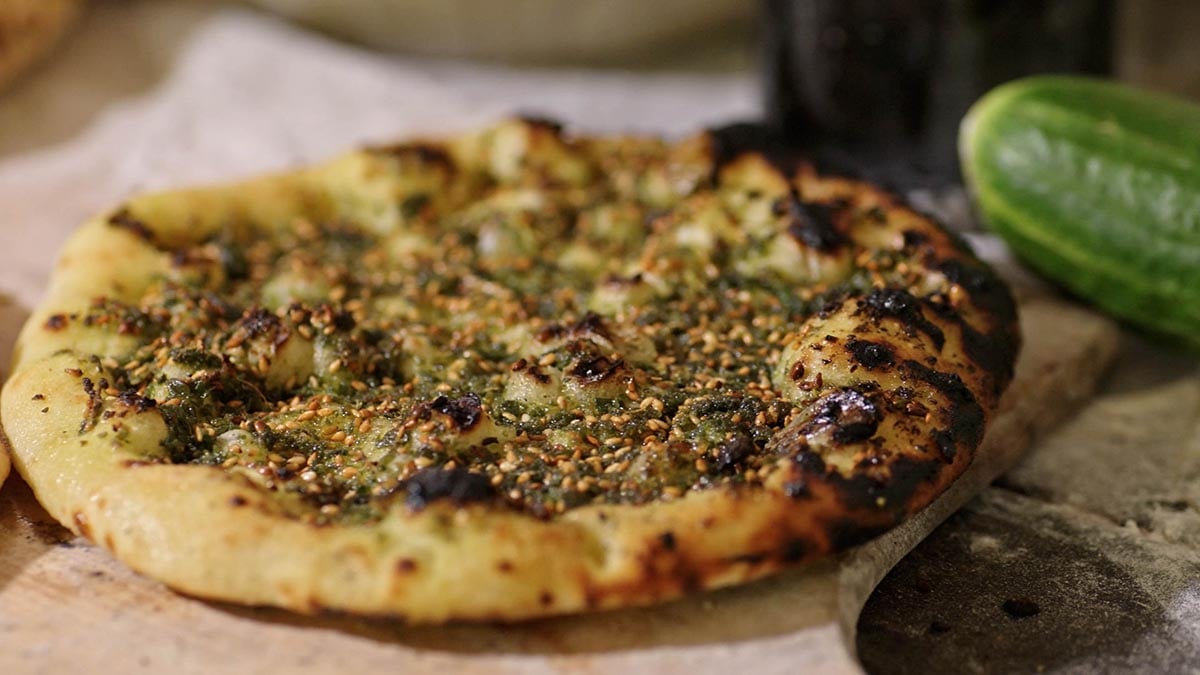
Transform pliable pita dough into Manakeesh, a Middle Eastern pizza.
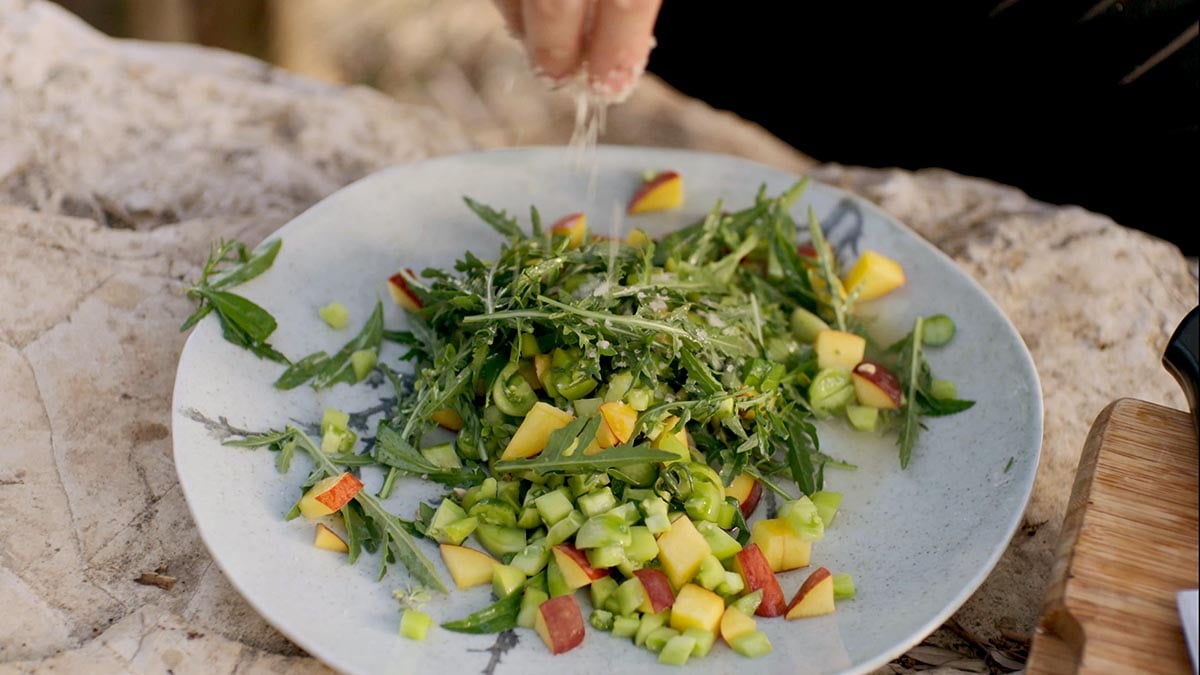
A refreshing end-of-summer salad that brings some airy freshness to the spicy harissa paste.
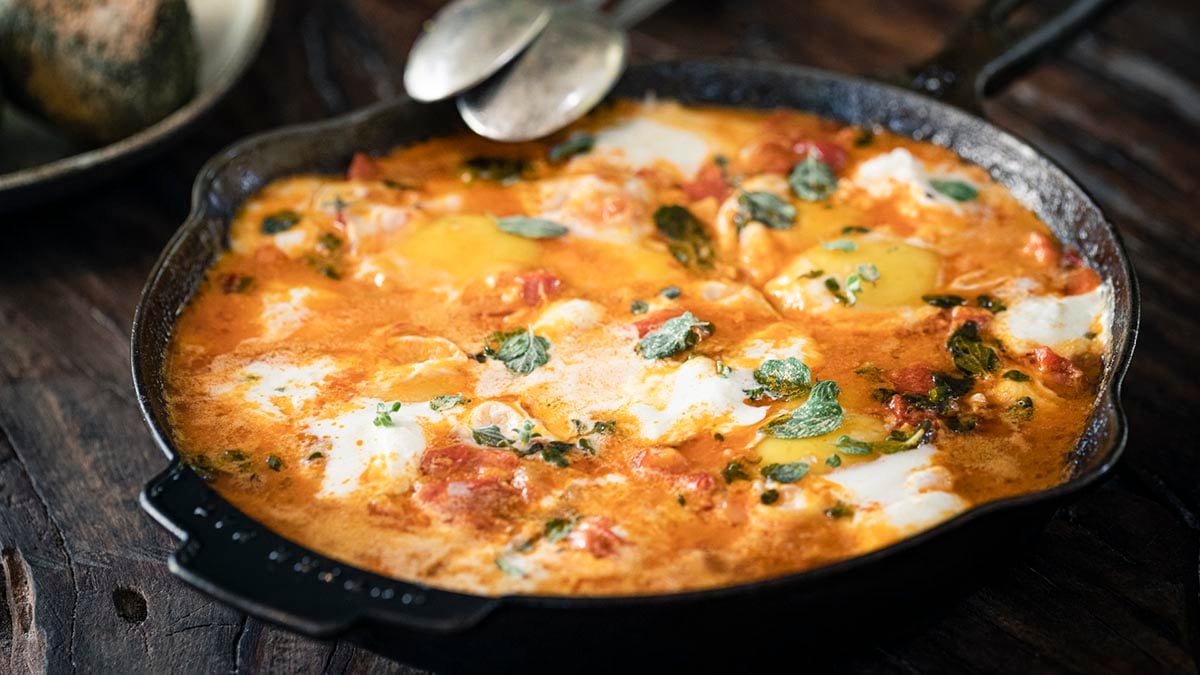
Learn the secret to make the most flavorful tomato-based egg dish and your weekend breakfasts will never be the same.

Erez marinades chicken breast before grilling over charcoal and showering with garden fresh greens, tomatoes and stone fruit, which balances spicy with sweet. Multifaceted and mouthwatering, it’s a flavor you won’t forget.
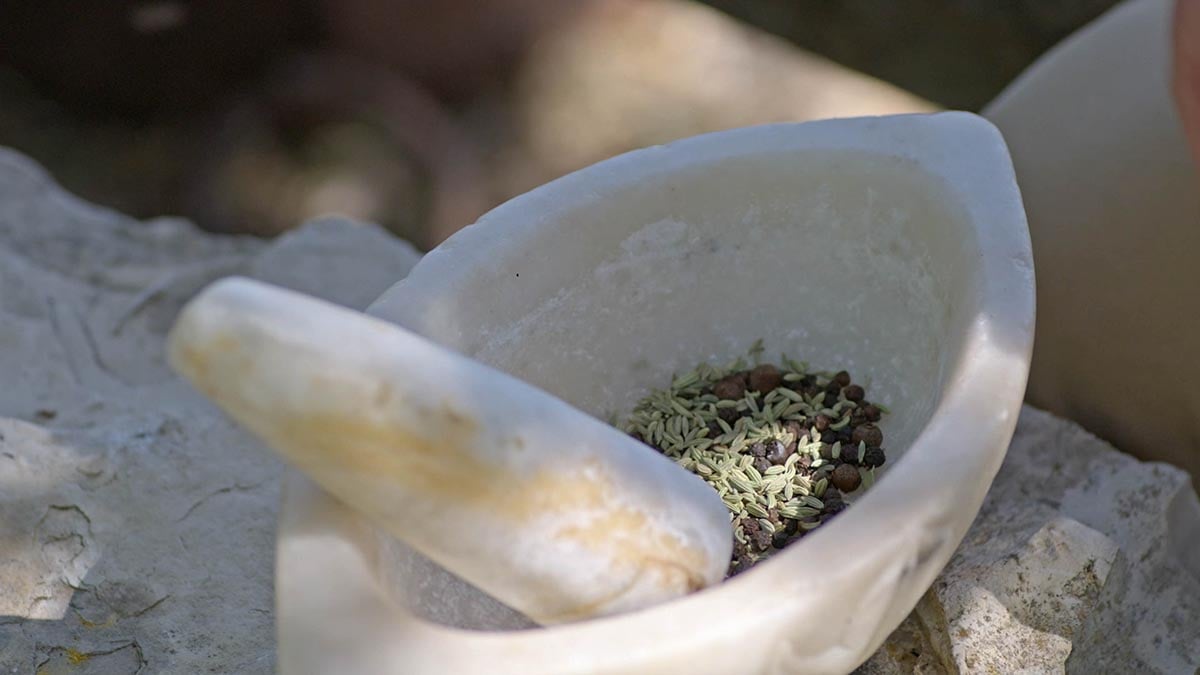
All you need is a mortar and pestle and spices to make this aromatic Middle Eastern spice blend.
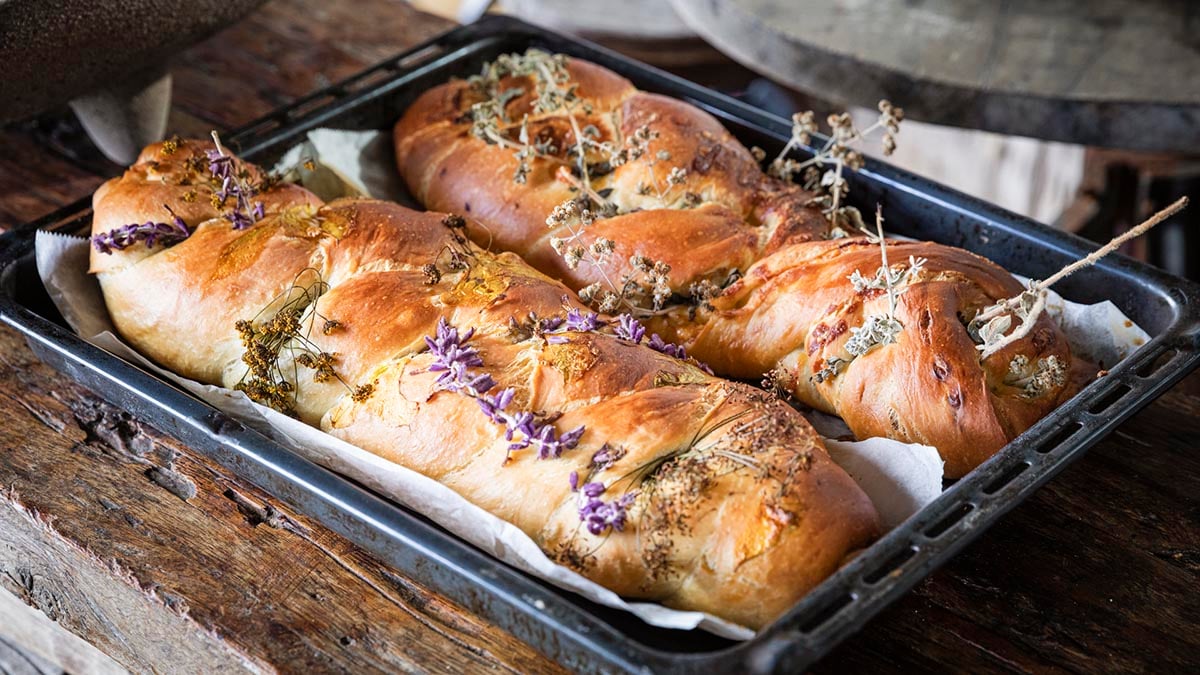
Garlic lovers, pay attention. These slow-roasted garlic cloves become tender, caramelized, and totally delectable.
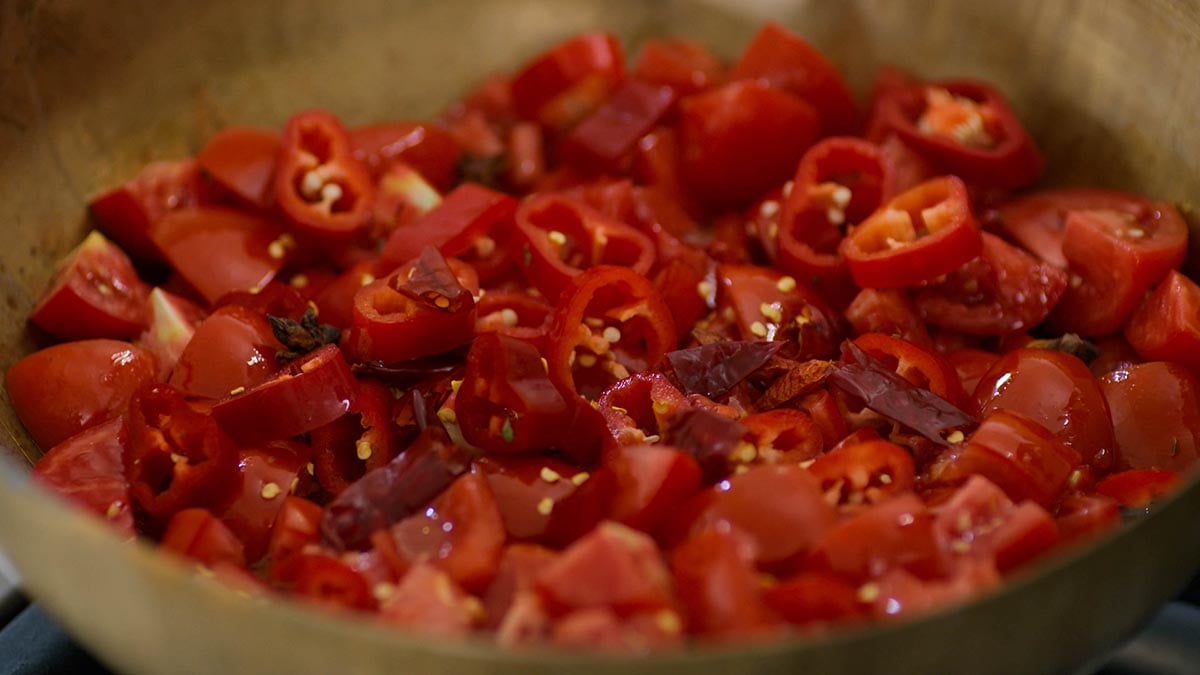
Make flaming hot Matbucha – a traditional Moroccan spicy tomato sauce full of chilis, ripe Roma tomatoes, garlic, and spices.
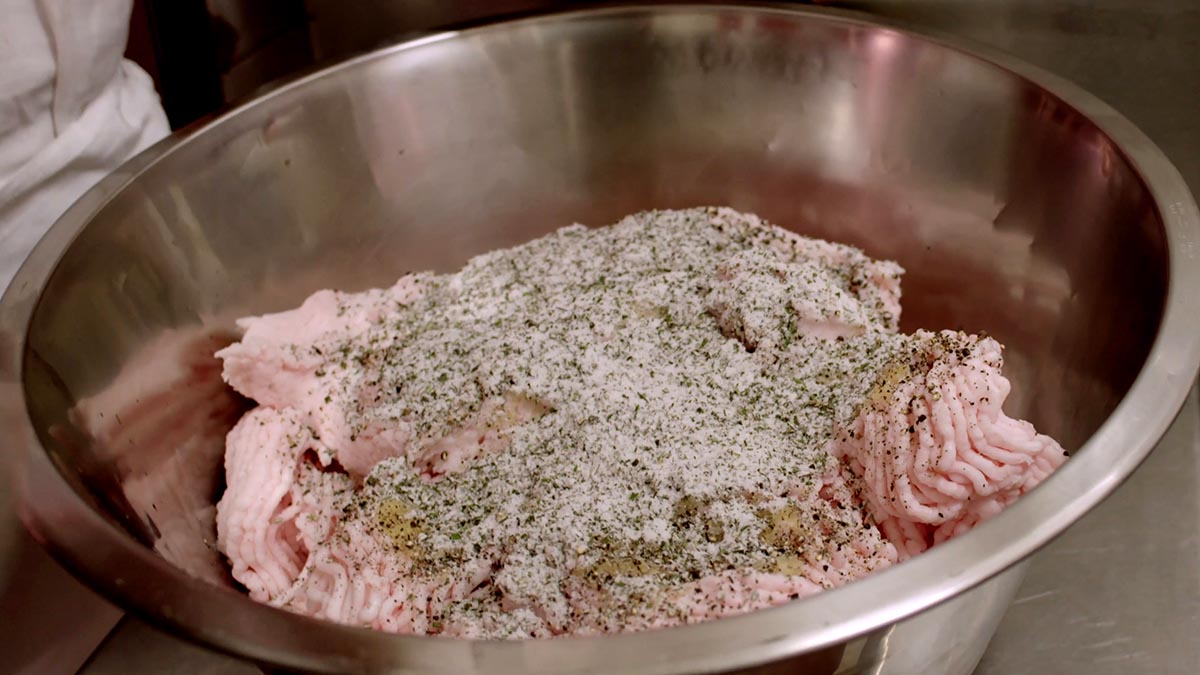
This special salt is the Essence of Chianti. Learn how to bring intoxicating Italian flavor to your seasoning by adding rosemary, sage, and thyme. Use it on steaks, chicken, fish, salads, and dressings.
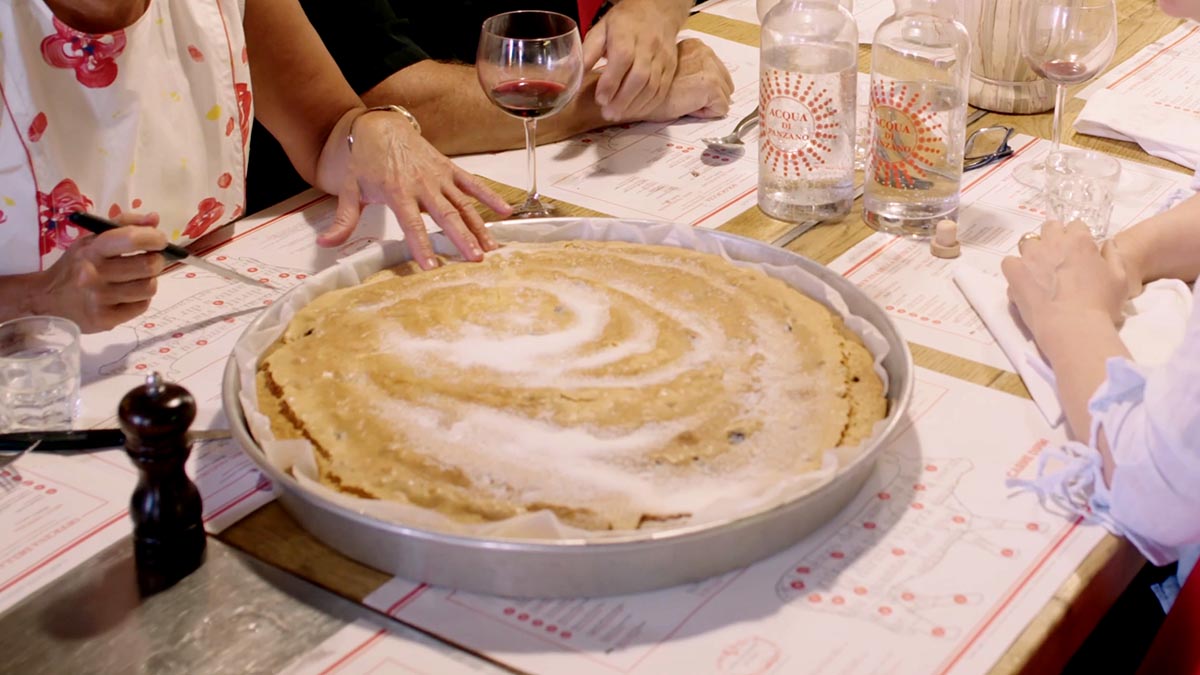
An olive oil cake that’s both simple and sublime. All you need is olive oil, a splash of dessert wine, and an entire orange to make a cake that’s perfect for all reasons and all seasons.
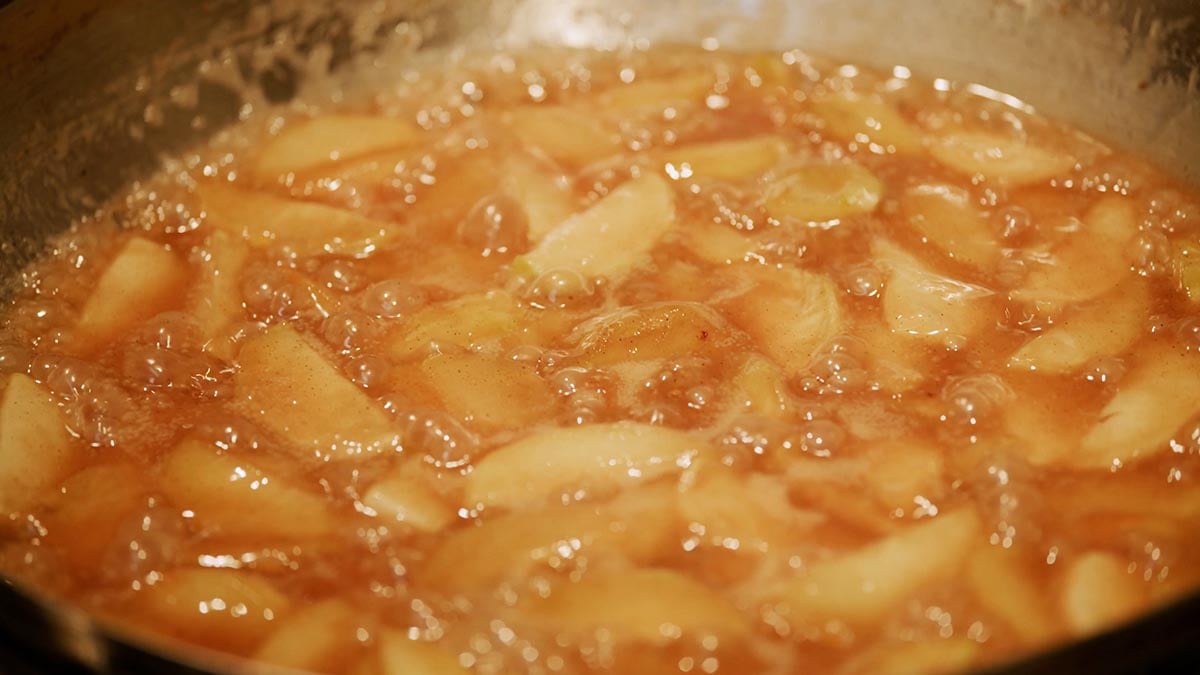

Feel at home with this comforting apple pie recipe. Each pie bursts with a heaping cupful of sautéed apples. Nancy loves to top each pie with a big mound of vanilla gelato, and so should you.
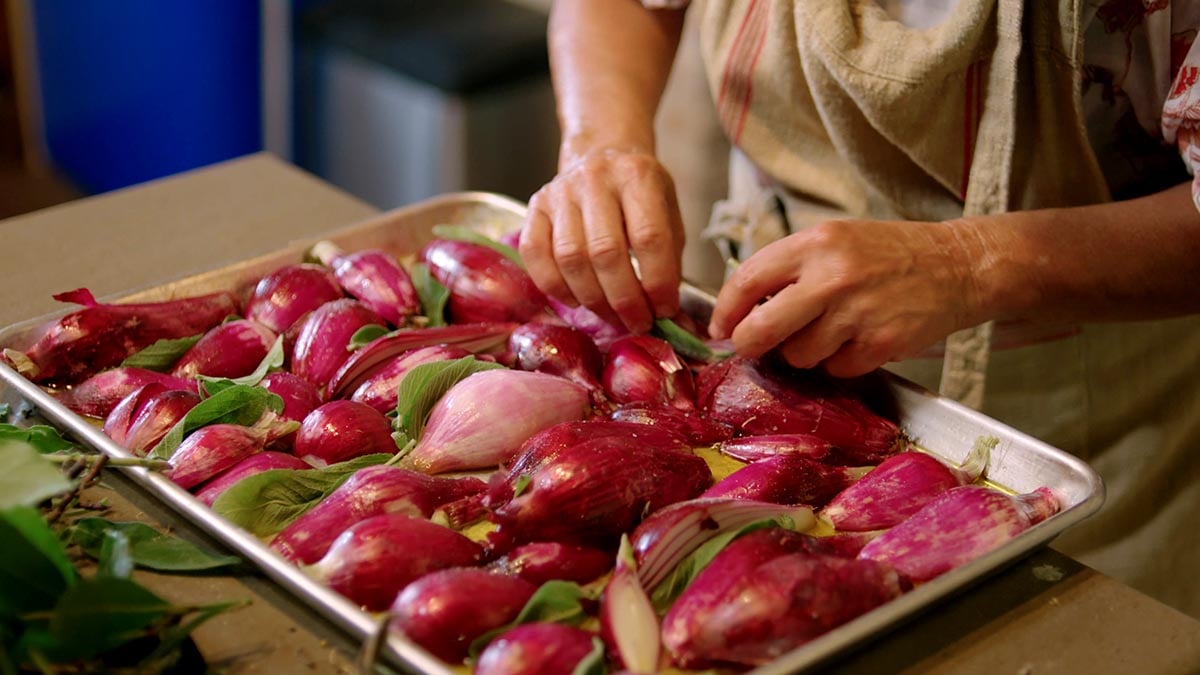
Chop up an onion, roast it in the oven with herbs until the edges begin to brown, drizzle with olive oil and apple balsamic vinegar, and you have an incredible accompaniment. Alternatively, you can roast in the same oven with your cabbage.
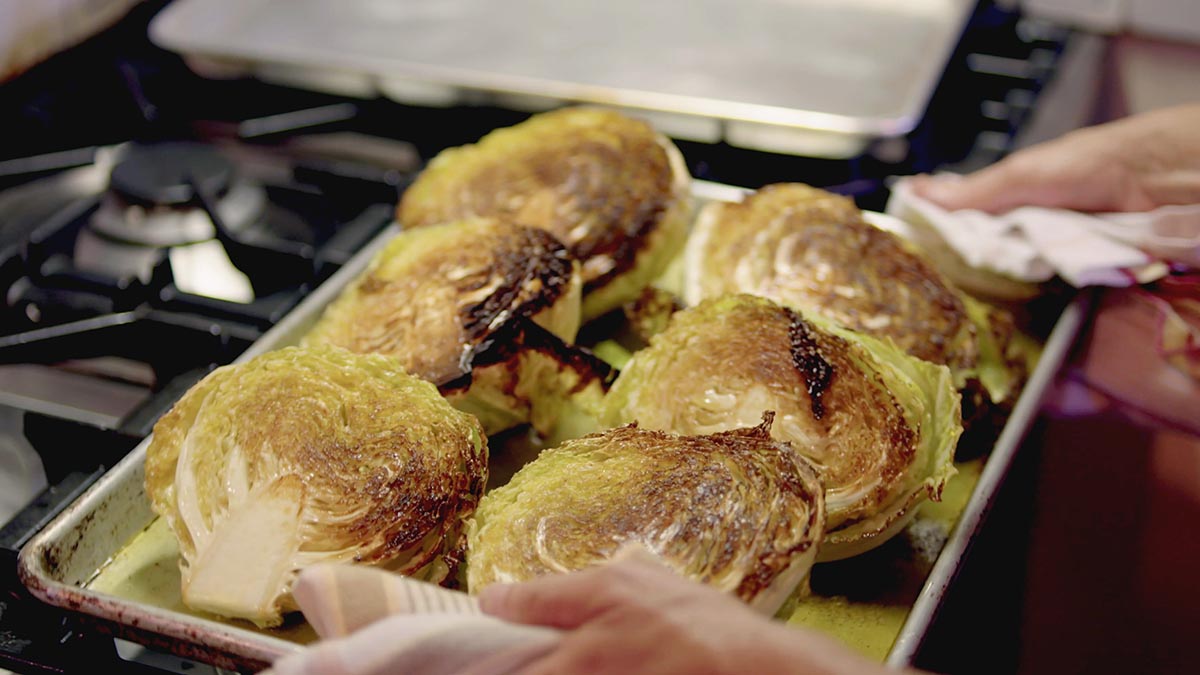
Give cabbage more credit. The texture, the sweetness, roasted flavors makes it a win on the table.
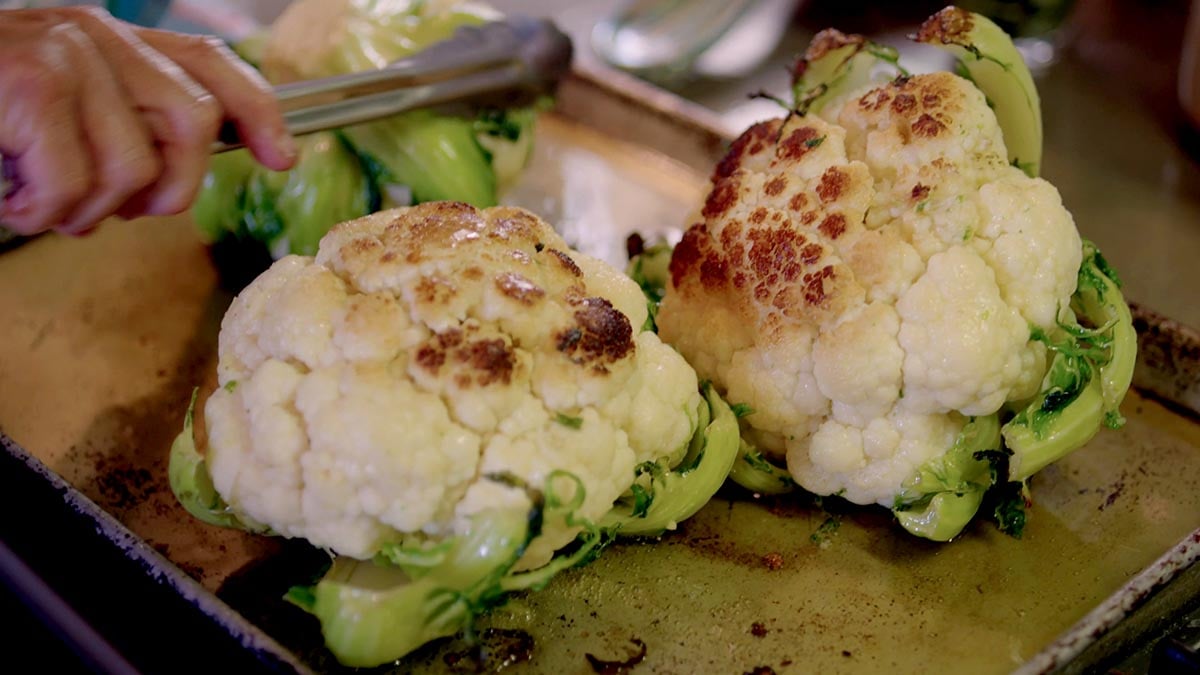
Bring some flavor and texture to cauliflower with this roasted recipe topped with creme fraiche. Roasting the cauliflower will bring out its sweetness.
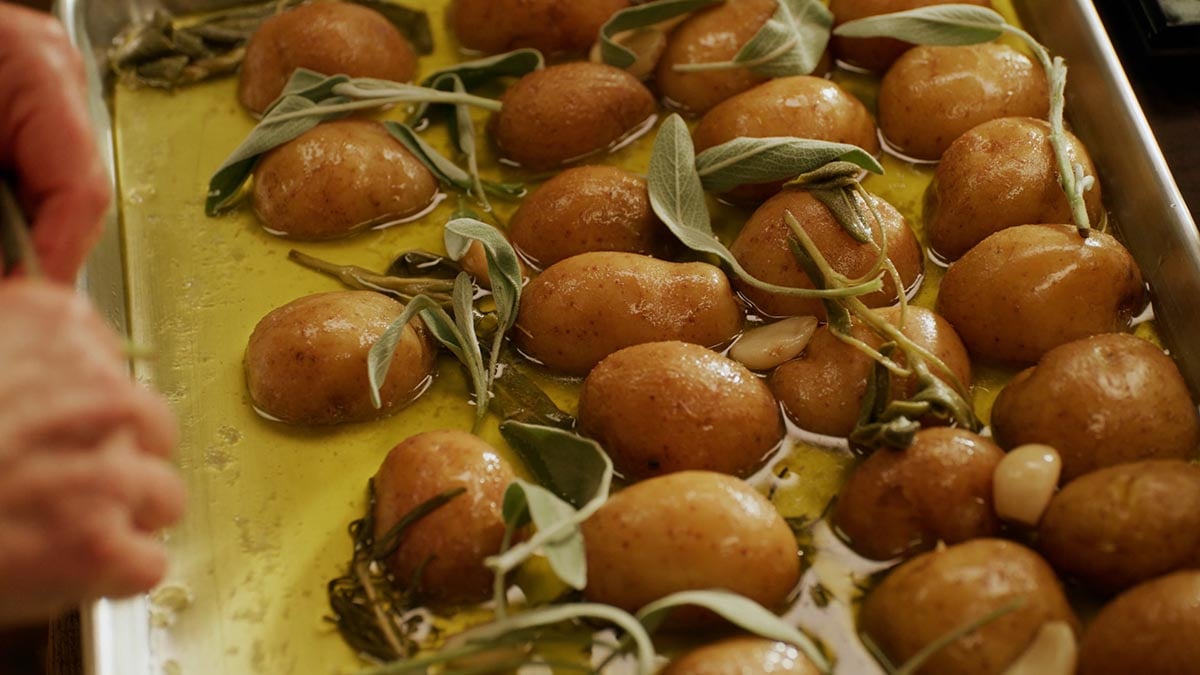
Learn how to coax the best texture and flavor out of earthy butter potatoes by first confit-ing them in oil, butter, garlic cloves, fresh rosemary and sage.
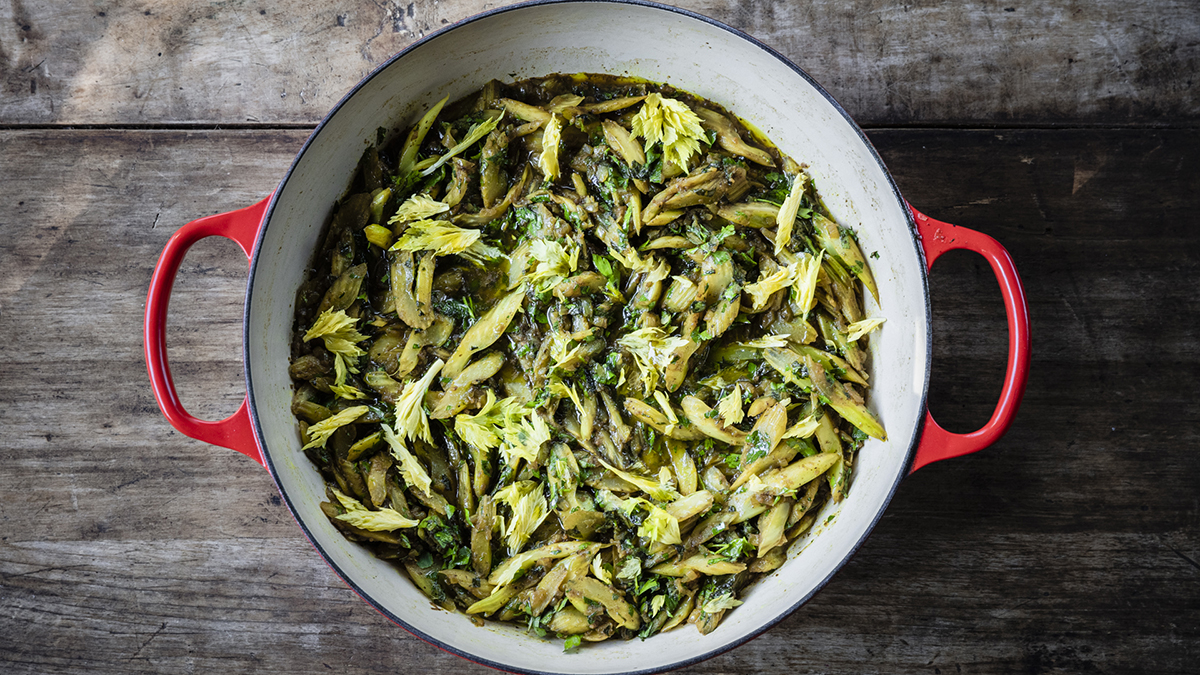
This traditional Iranian recipe is taught with the help of chef Deb Mikhail, and adds an unexpected dimension. The recipe was inspired by Nancy’s celery and burrata dish at Mozza Bar, a plate that Deb said proved to her that “celery can actually be cool.” Doctored up with turmeric, crushed Persian lime and fresh mint, this dish is bright and vibrant.
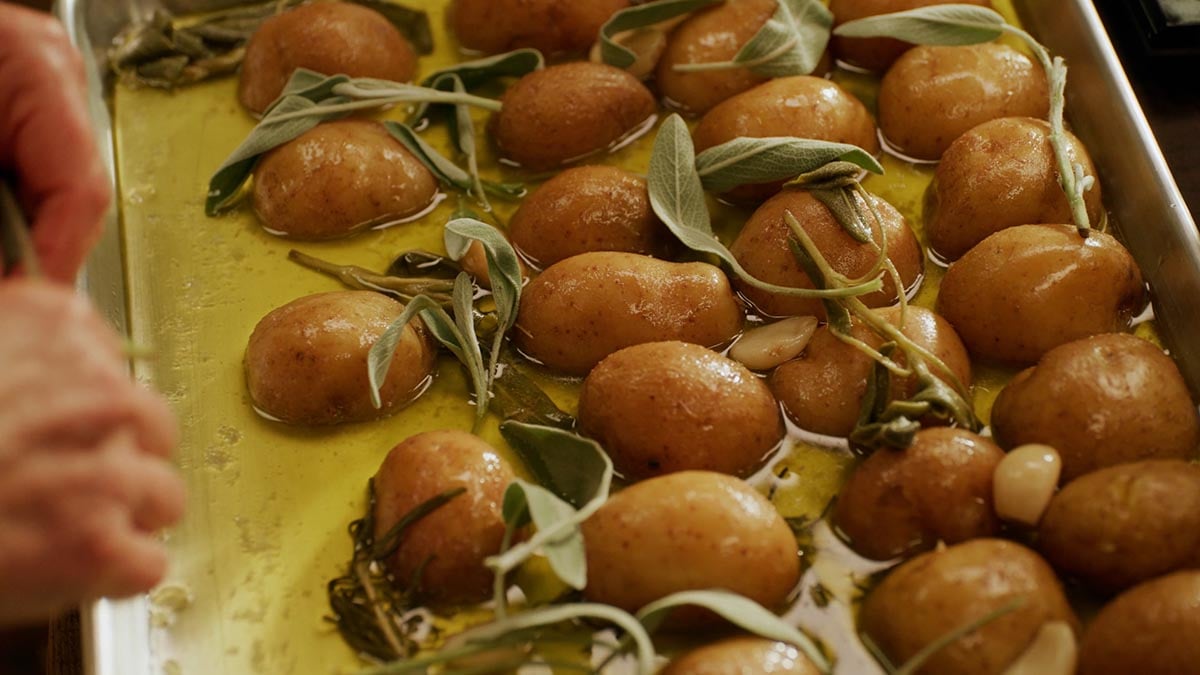
Learn how to coax the best texture and flavor out of earthy butter potatoes by first confit-ing them in oil, butter, garlic cloves, fresh rosemary and sage.
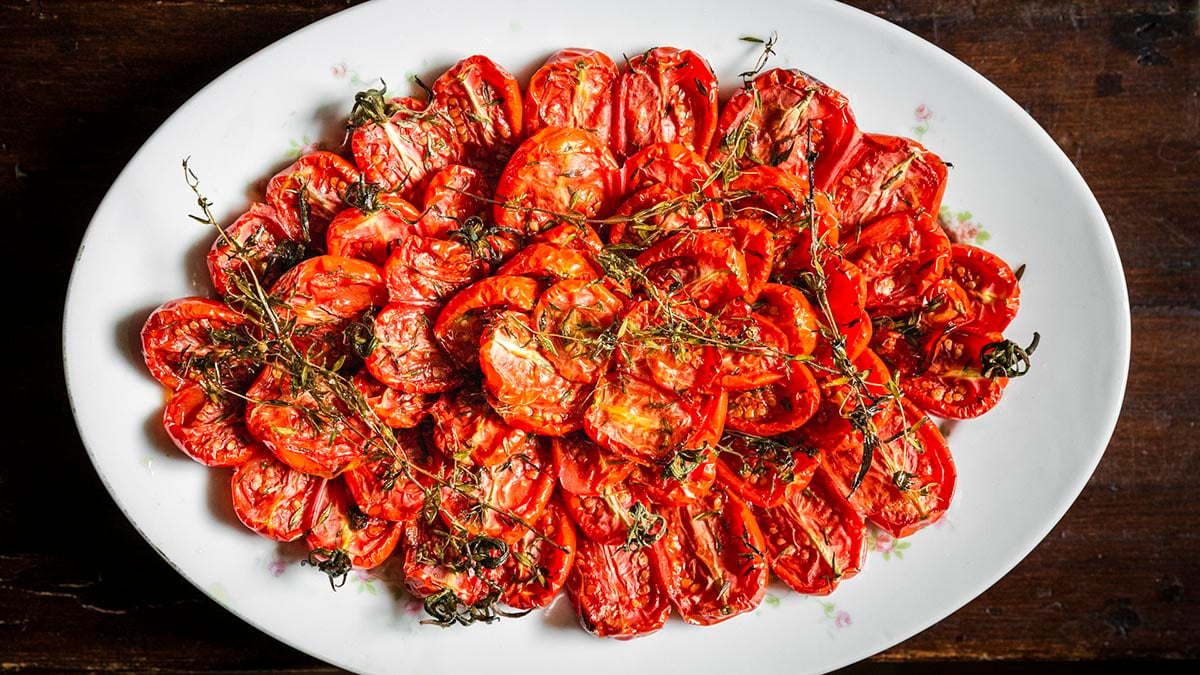
Simple and sublime, all you need are fresh herbs, olive oil, and a healthy blast of heat to make Nancy’s roasted tomatoes with thyme.
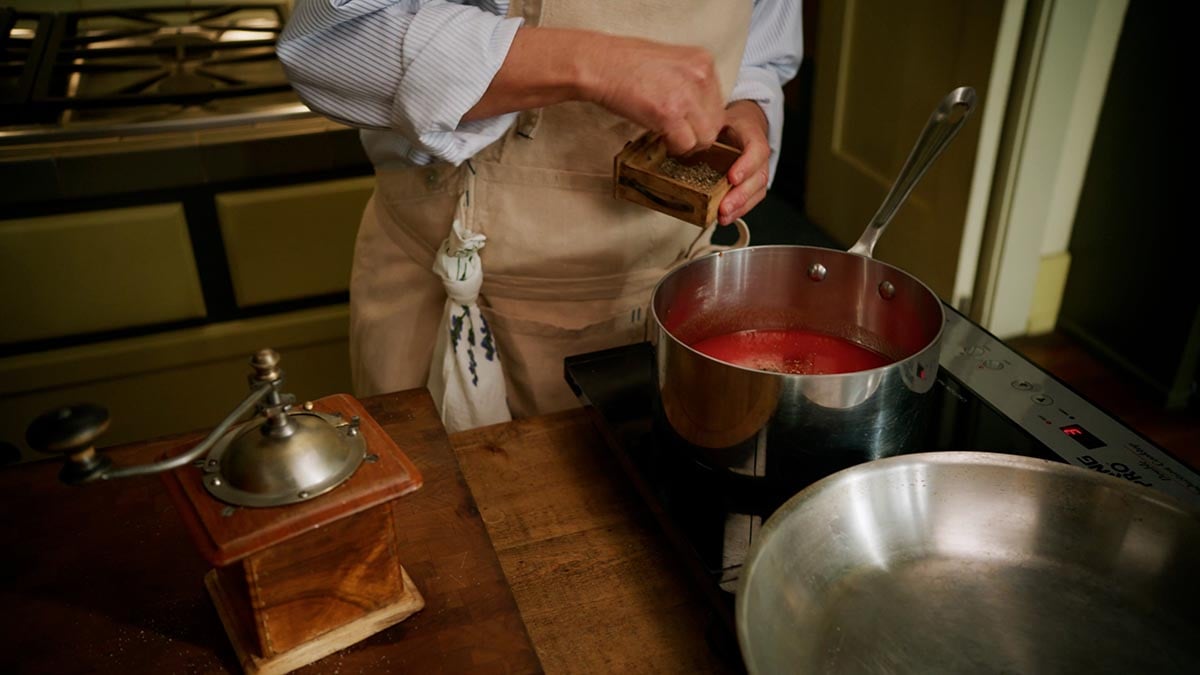
Learn how to make this easy to make multipurpose tomato sauce which you can use for pasta sauces or on pizza. Added bonus: this sauce may also be stored in a sterilized airtight container in the refrigerator for a week or frozen for several months.
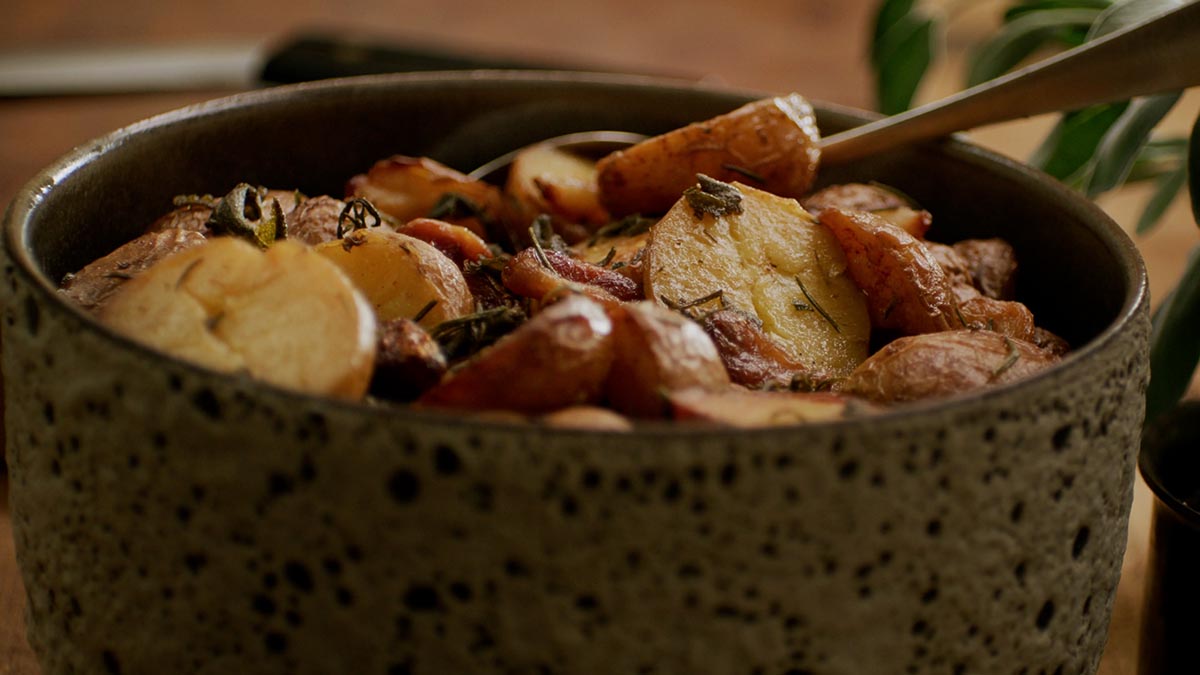
Learn how to coax the best texture and flavor out of earthy butter potatoes by first confit-ing them in oil, butter, garlic cloves, fresh rosemary and sage.
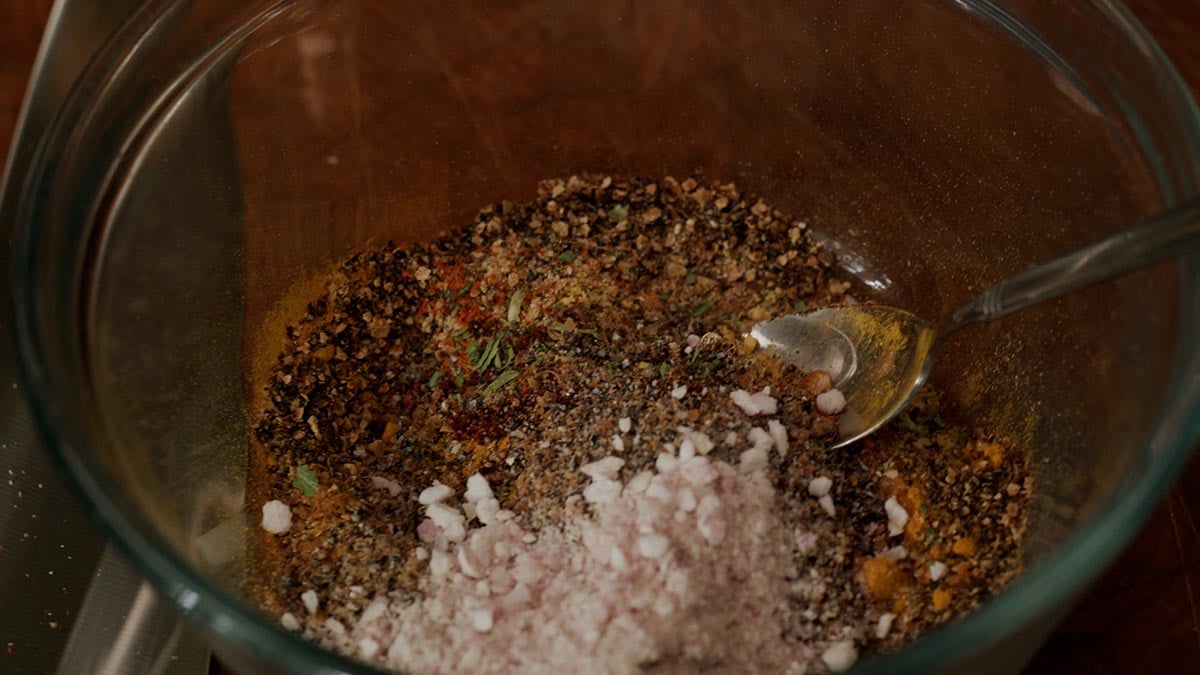
Get a glimpse into Nancy’s quirky culinary world when she busts out a flea market coffee grinder to make her spice rub.
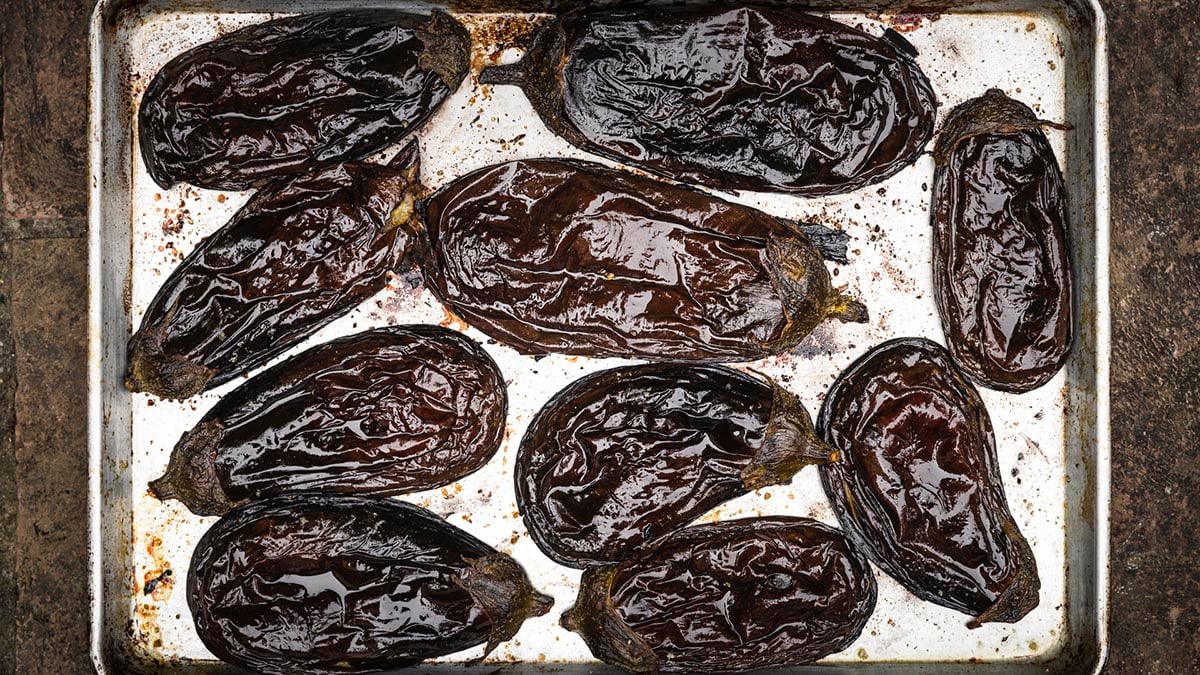
Learn the eggplant essentials, like how to score, salt and sweat them to release any bitter juices. Caramelize onions, “candy” your garlic, and top with whey to take this dish to another level.
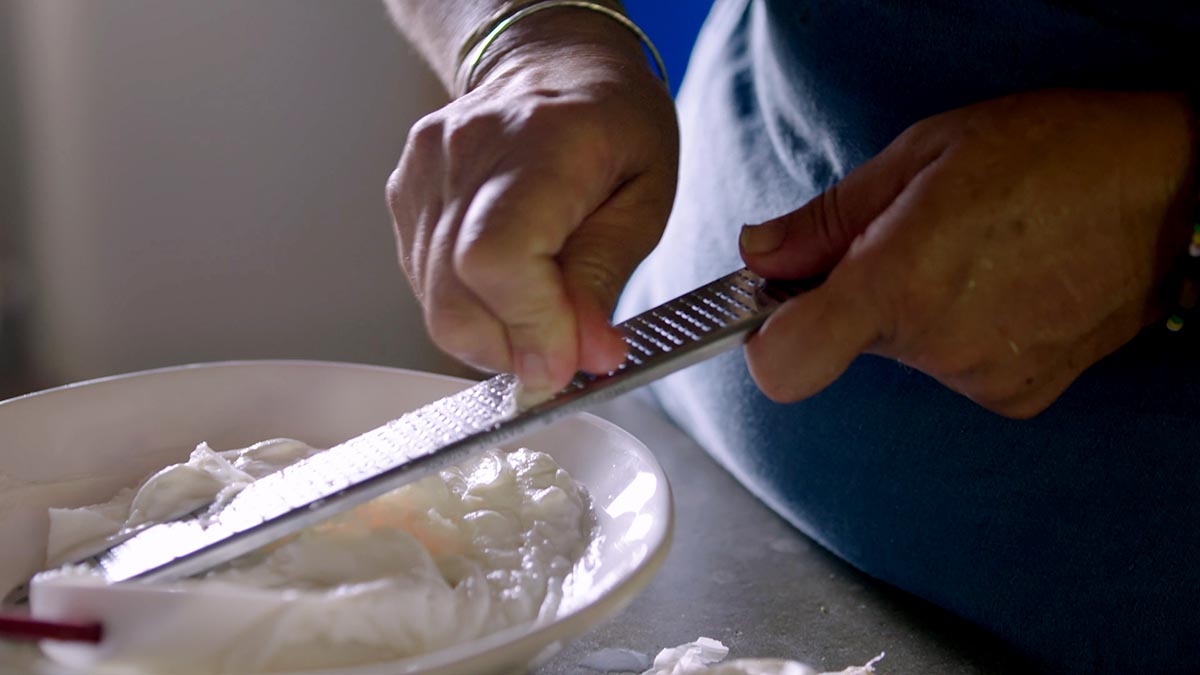
Elevate yogurt with lemon zest, garlic, mint, and dill and you have an incredible sauce or dressing.
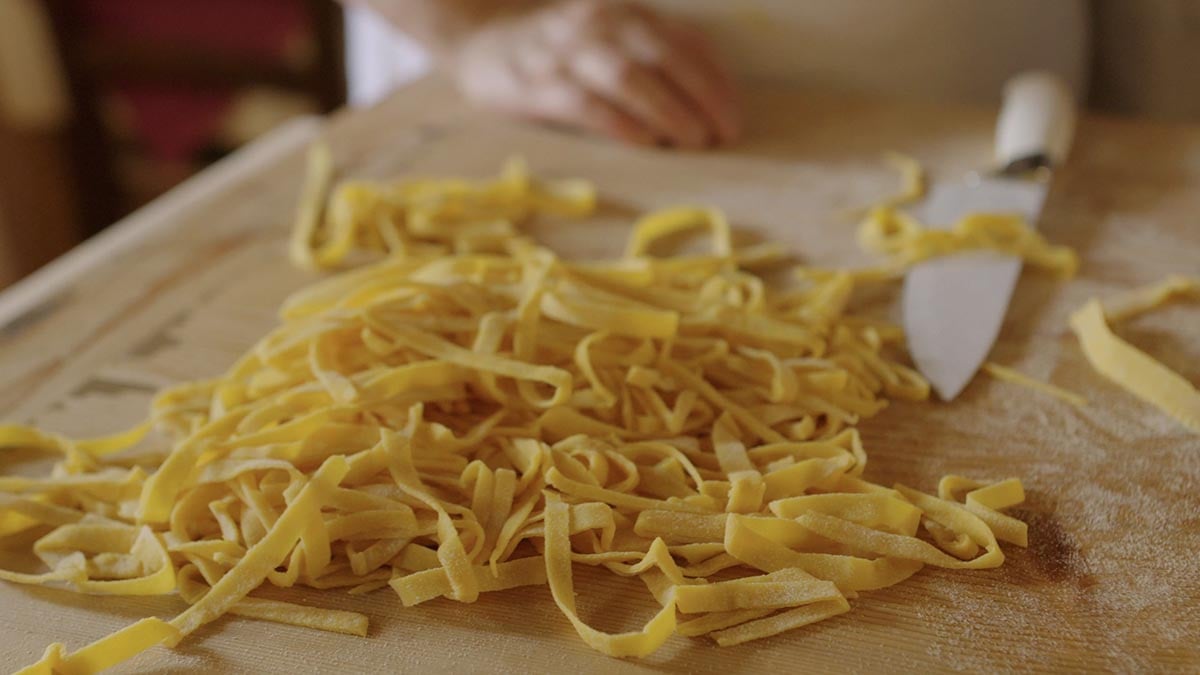
Join Nancy inside her favorite kitchen in Panicale, Italy where she learns to make traditional tagliatelle from the world’s foremost pasta authorities: two Italian nonnas!
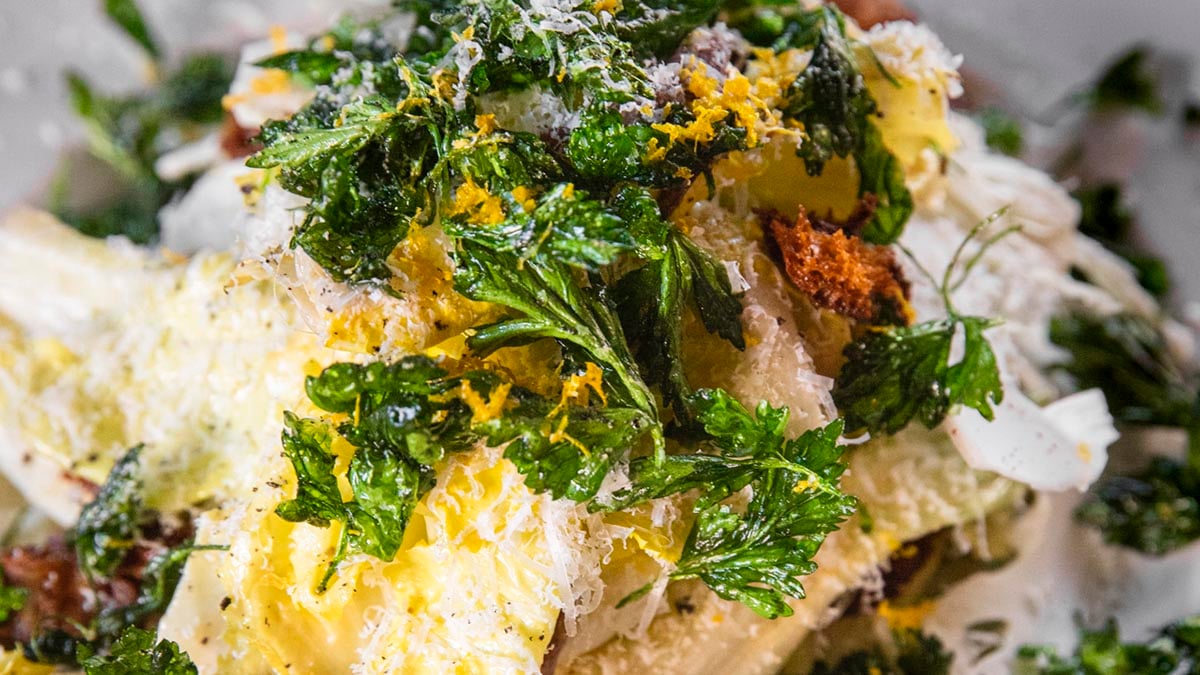
Have you ever tried fried parsley? It brings excellent herby flavor to a classic Caesar.
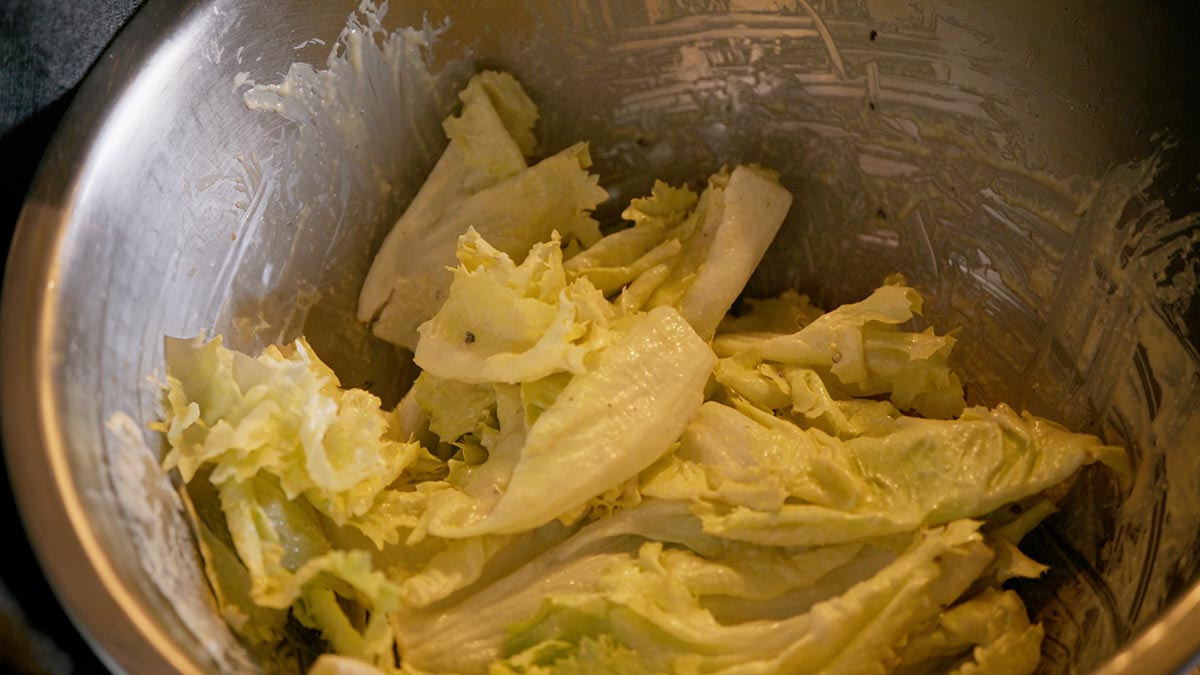
Embrace the anchovy and learn how to make the most delicious restaurant-quality Caesar dressing.
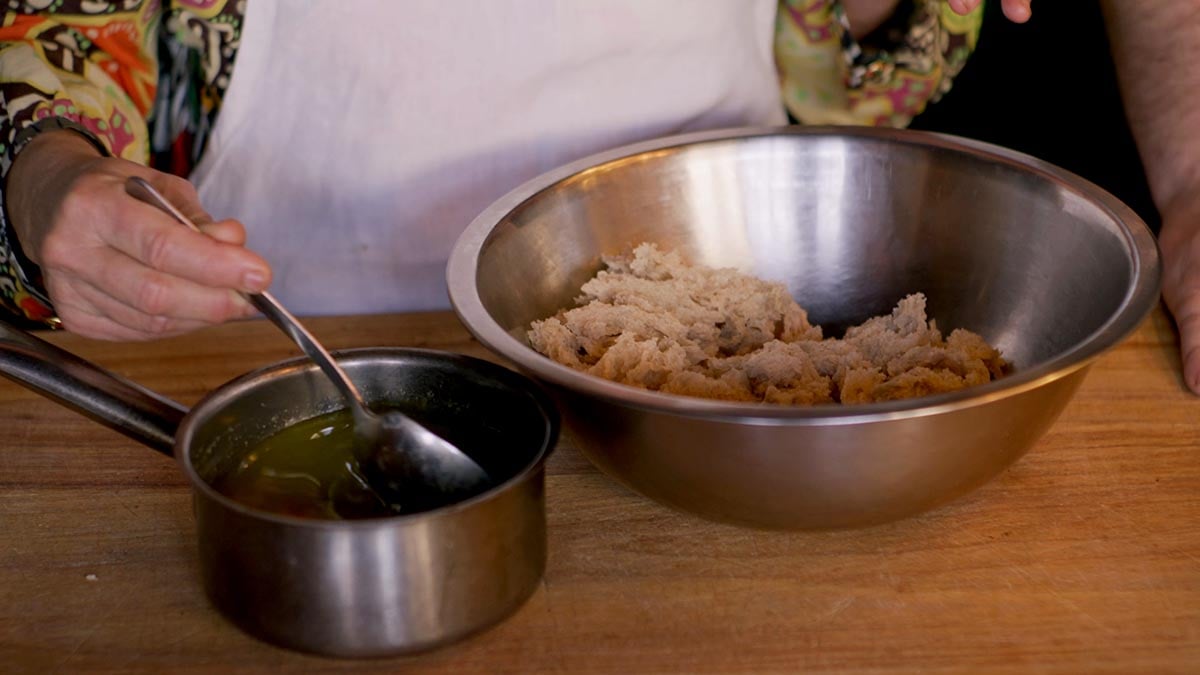
Pick the perfect bread for homemade croutons (hint: save the fresh stuff for the table).
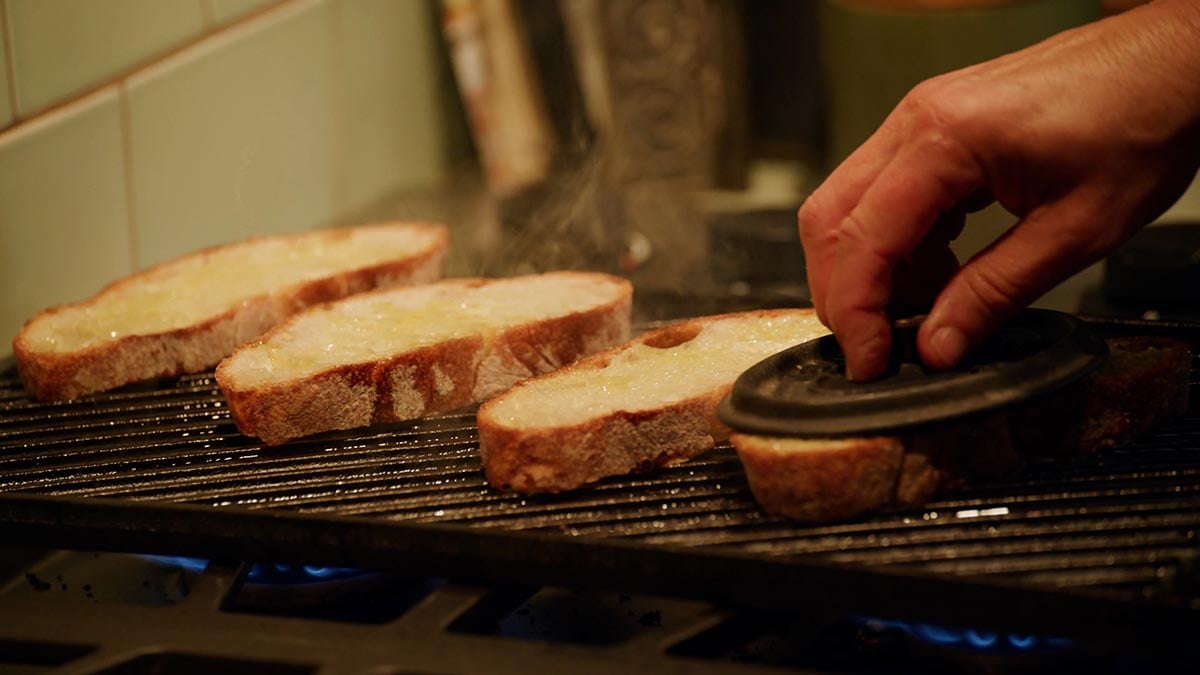
Make this Tuscan staple, a delicious crusty bread drenched in quality olive oil.
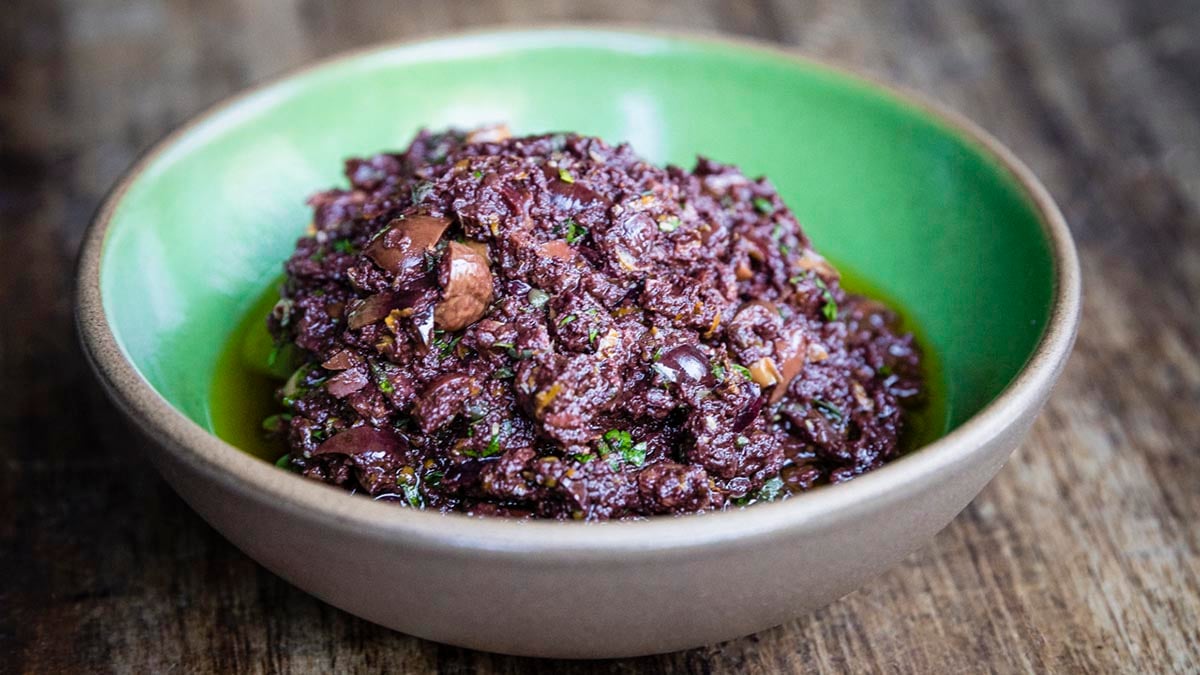
A tapenade packed with savory umami flavors, your mozzarella bar would be incomplete without it.
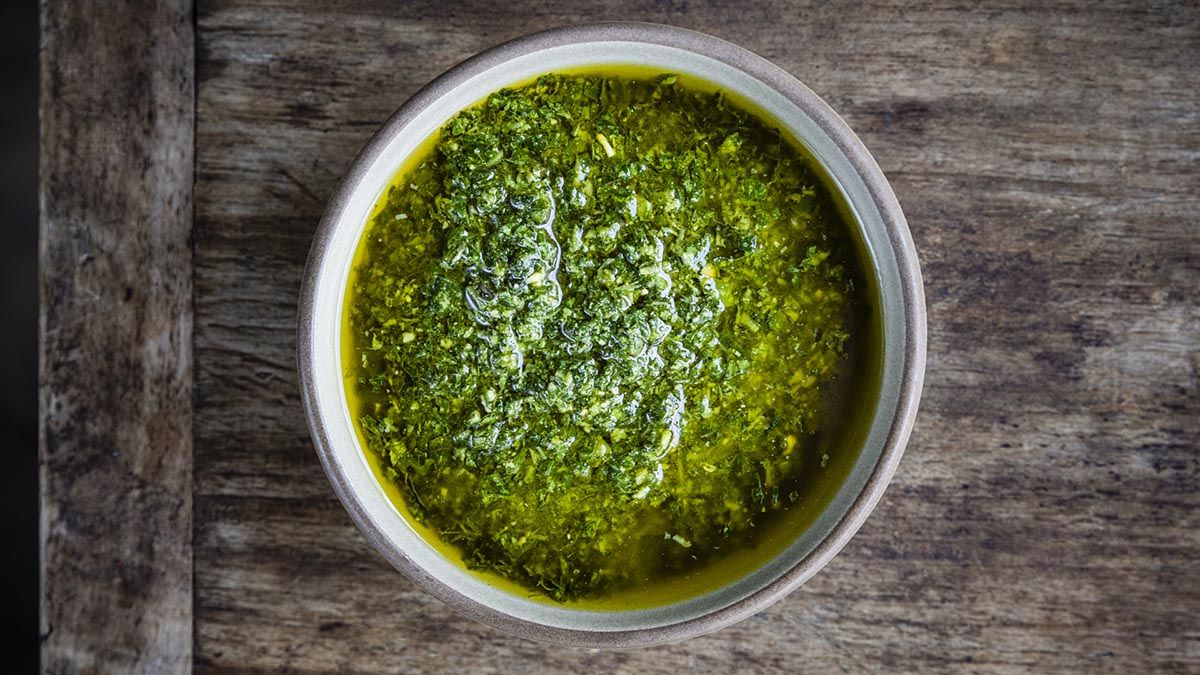
Every home cook needs a great pesto recipe on hand. Have lots of basil in the garden? Make this pesto ideal for pastas or sandwiches.
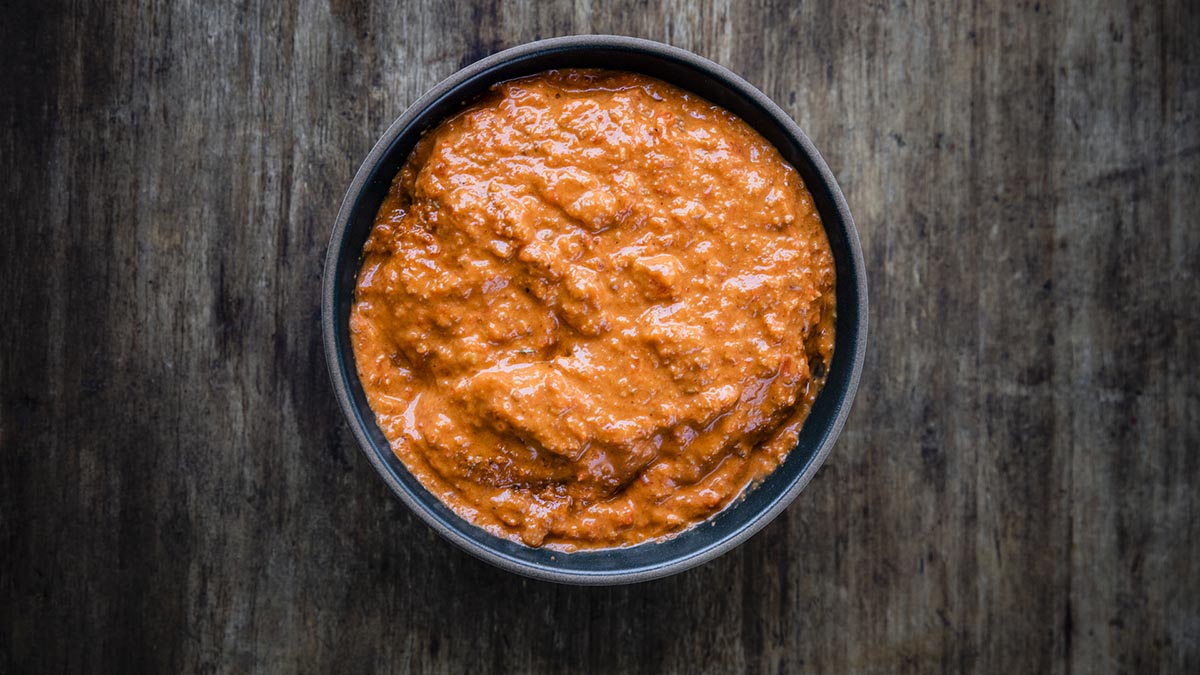
The charred red peppers make the Romesco sauce smoky and savory while the toasted almonds and hazelnuts bring an excellent nutty complexity. This easy sauce to make is also great on sandwiches or pastas.
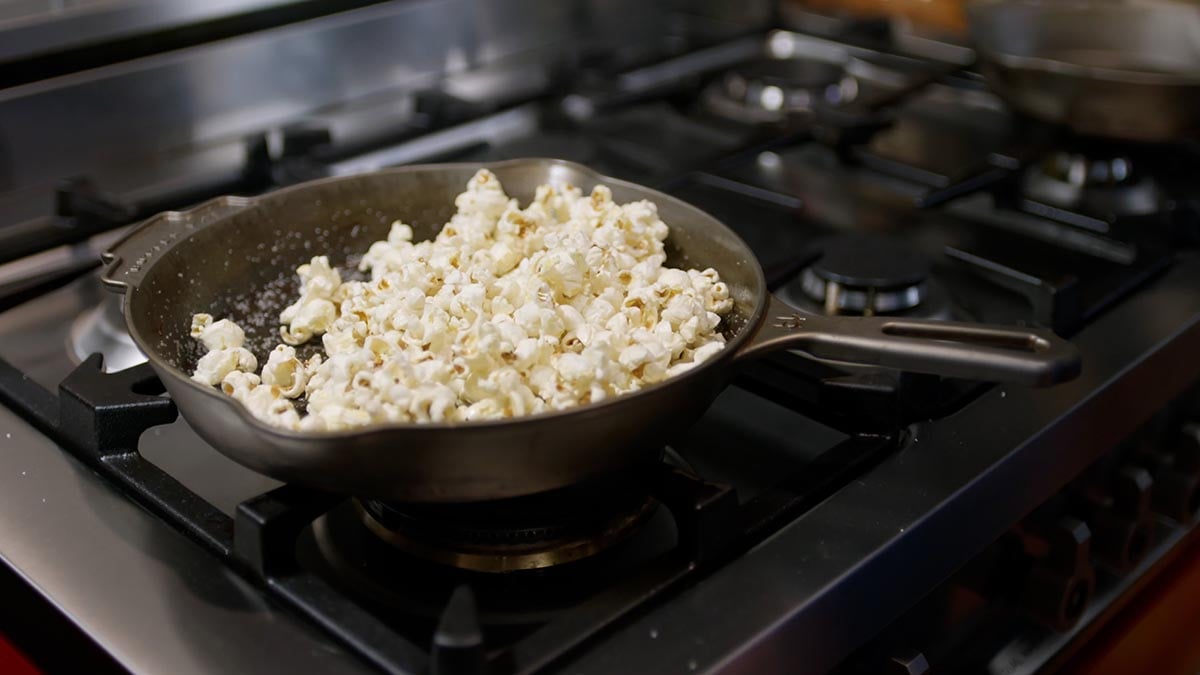
Make the best buttered popcorn imaginable.
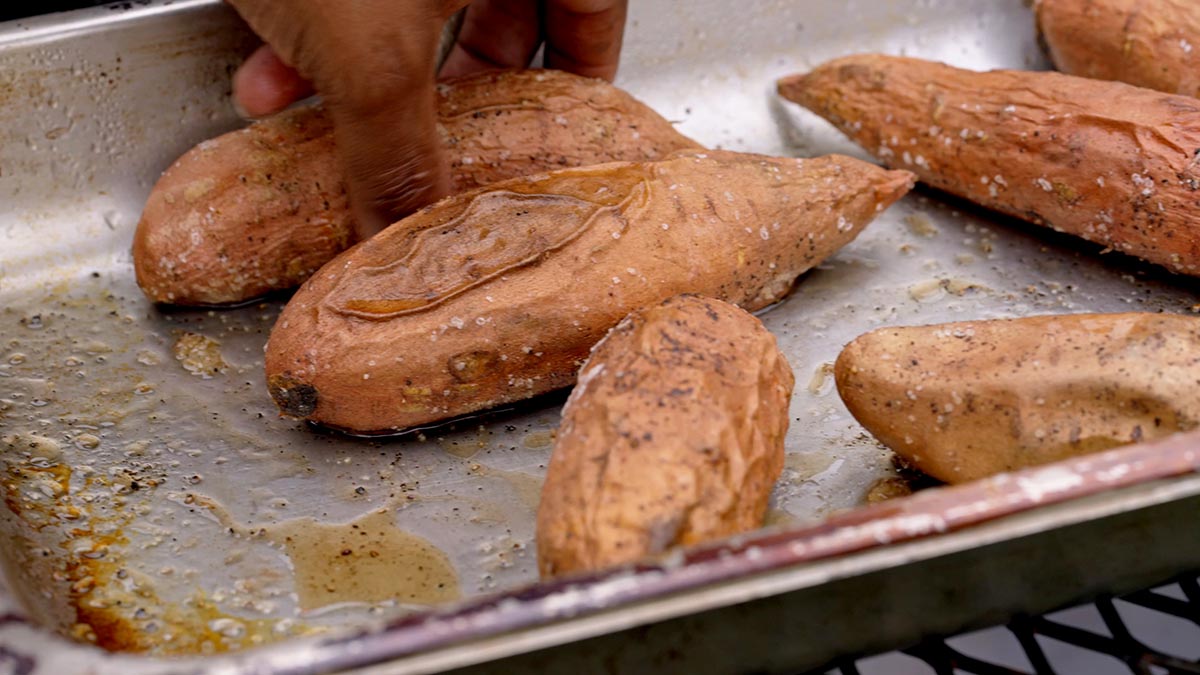
For the dreamiest grilled sweet potatoes — with creamy insides and very crispy outsides — follow this recipe.
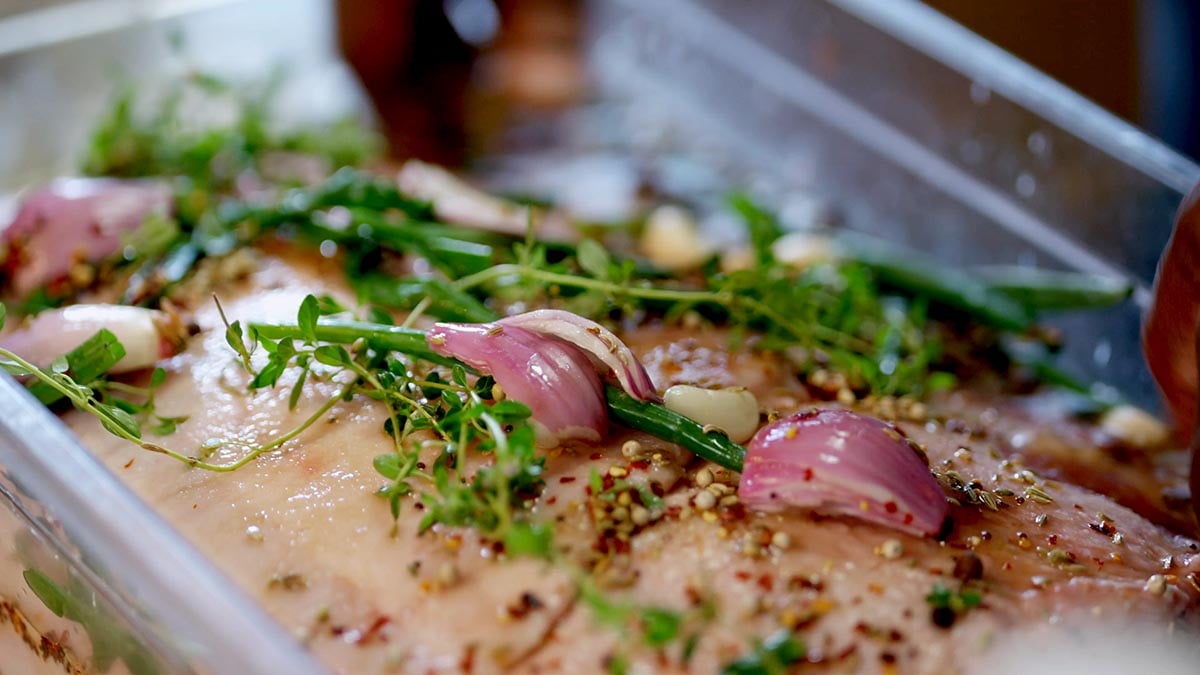
Make your barbecue better with this easy to make brine.
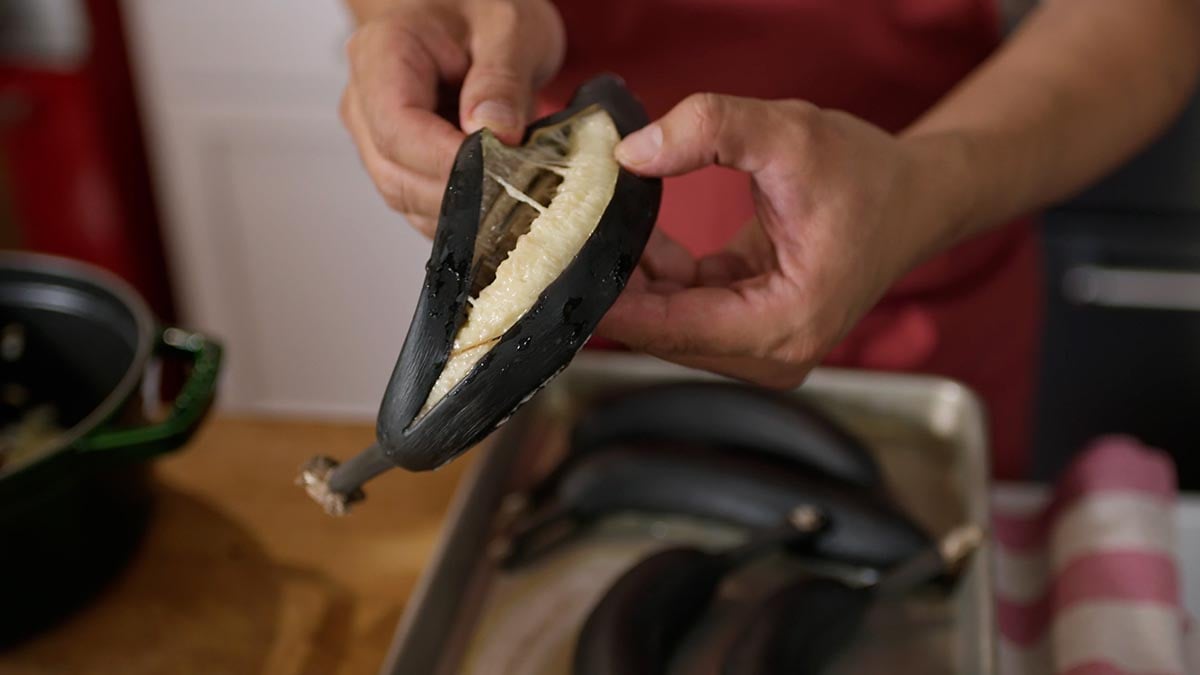
This Filipino-inspired roasted bananas shows that a barbecue sauce can go in numerous directions.
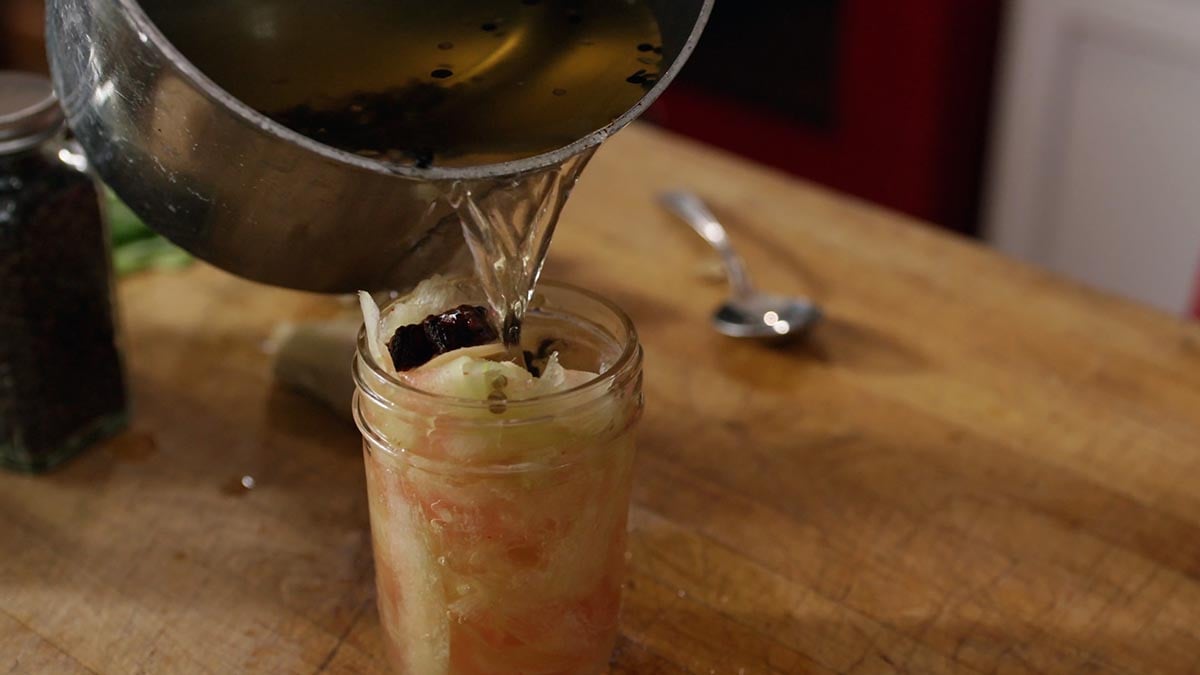
Don’t throw away watermelon rinds because you can pickle that! There’s nothing better in the summer than an ultra fresh watermelon, that’s why Edward likes to save the rinds, pickle it, and bring acidity and crunch to barbecue dishes.
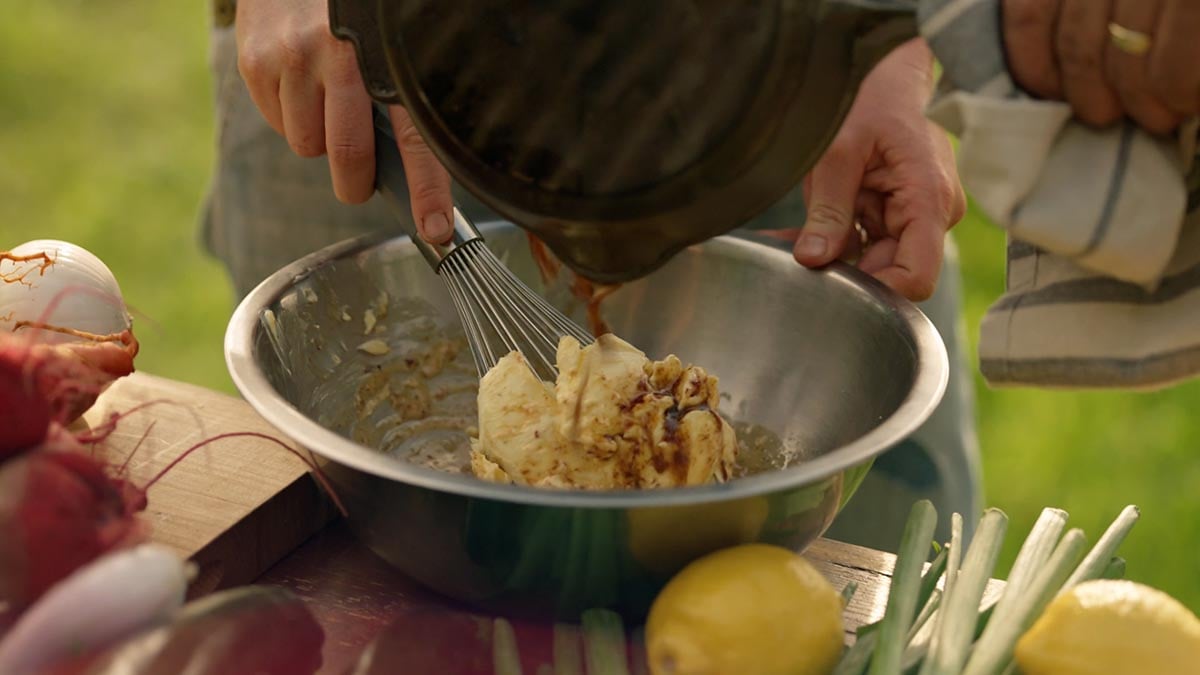
Seasoned butter is one of the most versatile things to keep on hand, especially when seasoned with Korean barbecue flavors and topped on a steak. That’s why magical things happen when soy sauce, sesame oil, and butter come together.
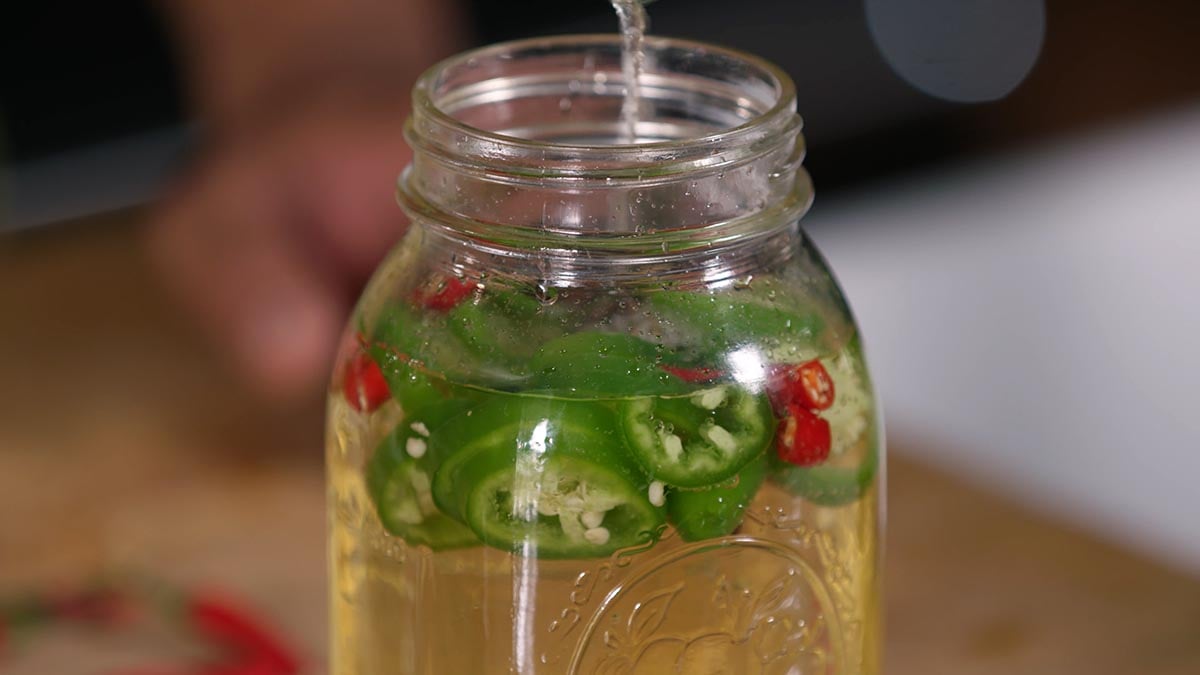
This is an essential item to have on hand in your pantry. Ingredients marinate in a jar for a month and bring tons of complexity to any dish.
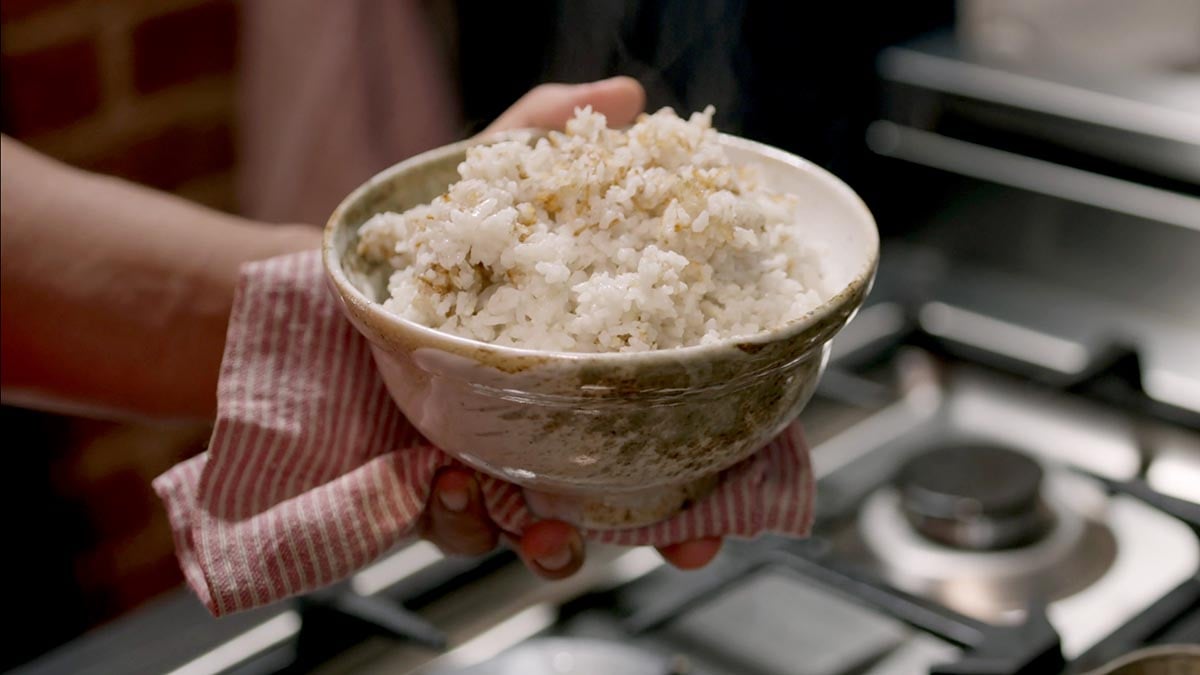
Turn simple rice into a showstopper. Simmer rice in coconut milk for a rich and sweet complexity.
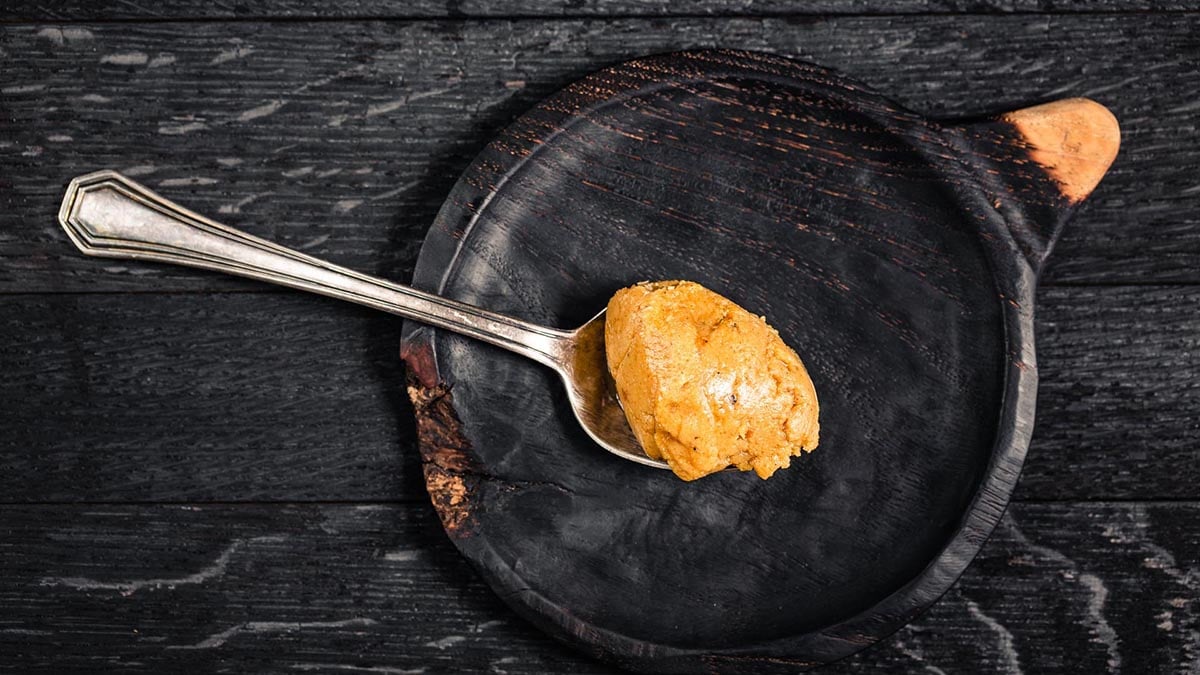
Learn the basics of making savory, creamy peanut butter. His method involves roasting peanuts and blending them with Asian ingredients like sesame oil for an umami-tasting butter that is perfect to use in cooking and not just spreading on toast.
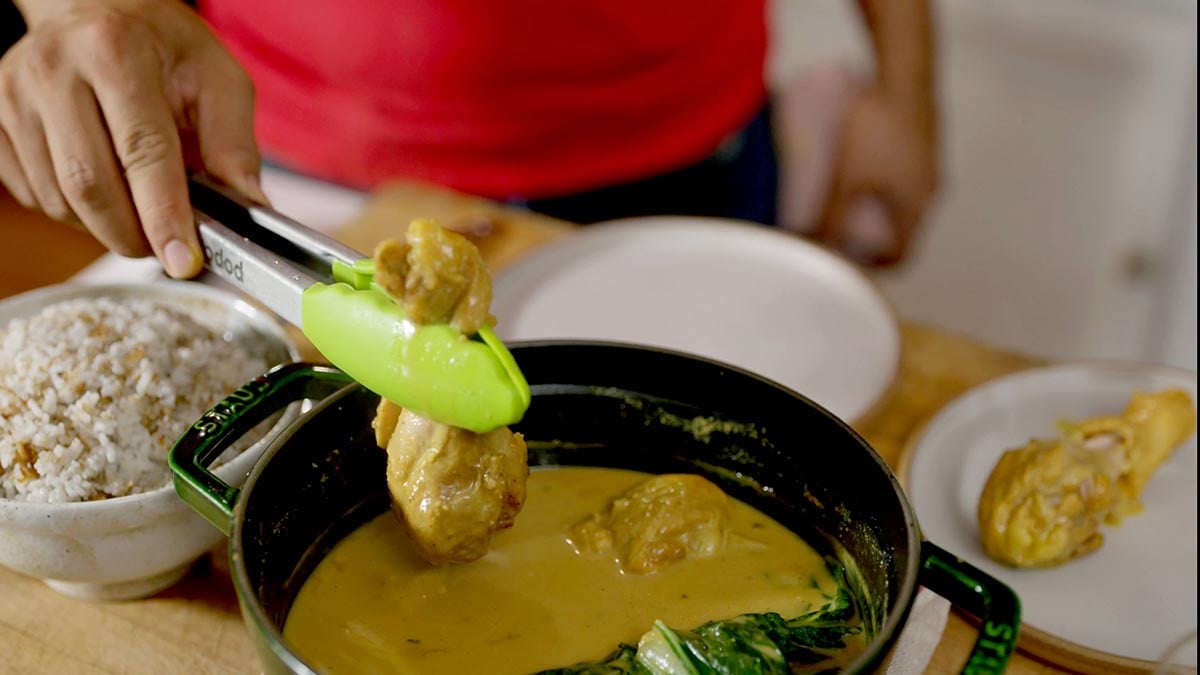
Let braised chicken drumsticks come to the rescue with this wonderful weeknight recipe. Bring excitement to your family dinner and make it faster, easier, and tastier.

Recreate Edward’s favorite childhood sandwich. The restaurant-style reinterpretation with seared Japanese eggplant and mushroom elevates the classic dish, adding roasted garlic to enhance the mayo.
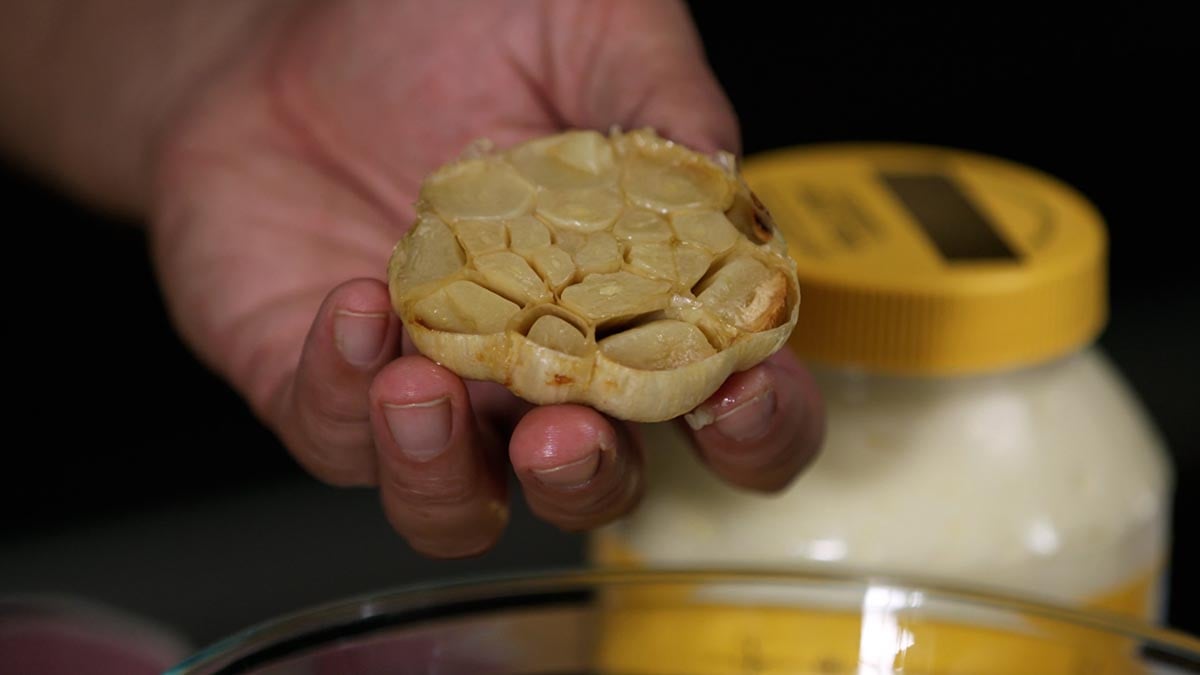
Roasting garlic in aluminum foil on the grill is the best way to roast garlic. It’s perfect to enhance the flavor of any dish.
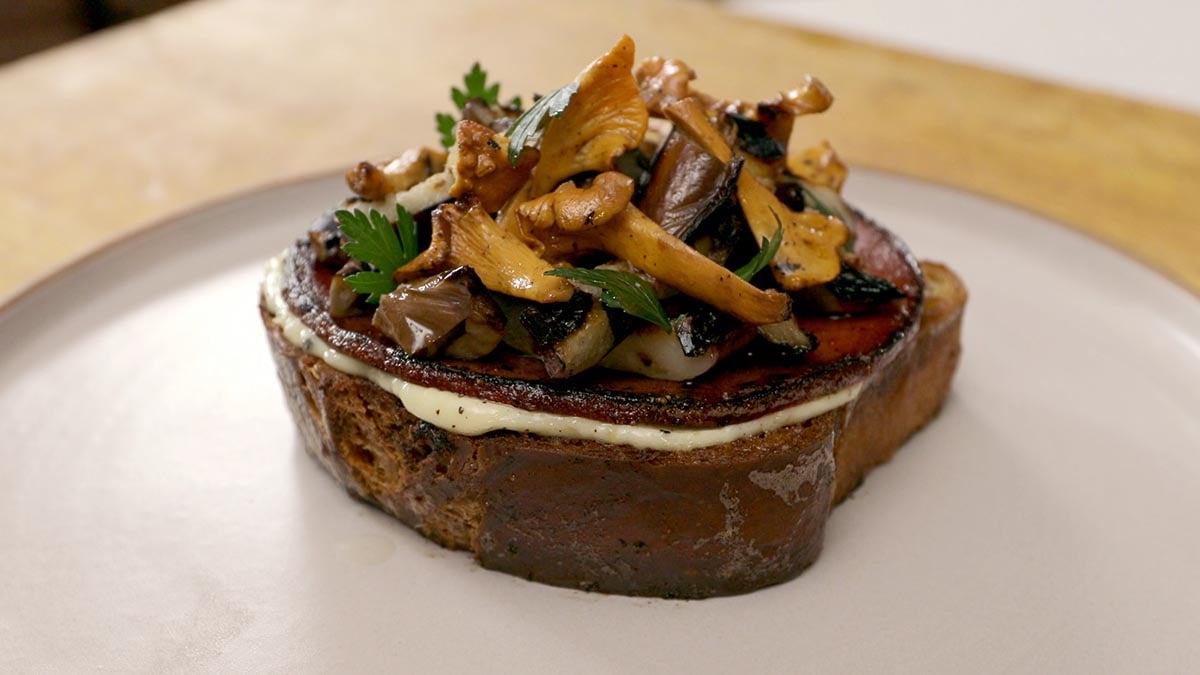
Edward teaches how to utilize one of his signature flavors: Burnt. Discover the gentle balance of burning without charring, as you learn how to master the Maillard reaction and release deliciousness from the simplest ingredients. Recreate Edward’s his favorite childhood sandwich and learn how to sear and caramelize as you elevate the gentle flavors of eggplant, mushroom and bologna, along with roasting garlic to enhance mayonnaise.
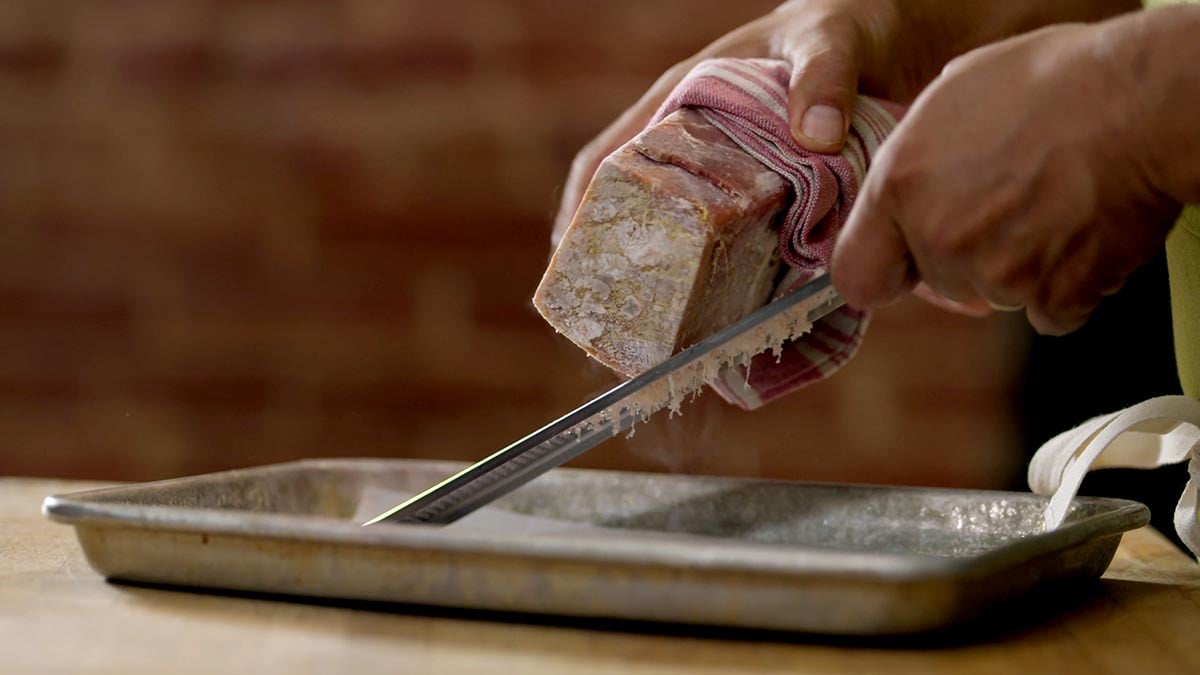
It’s always important to repurpose leftovers, that’s why yesterday’s ham is wonderful when turned into ham salt. Learn how to freeze ham, grate on micro plane, then toast in oven until dried. The result? Tons of added flavor.
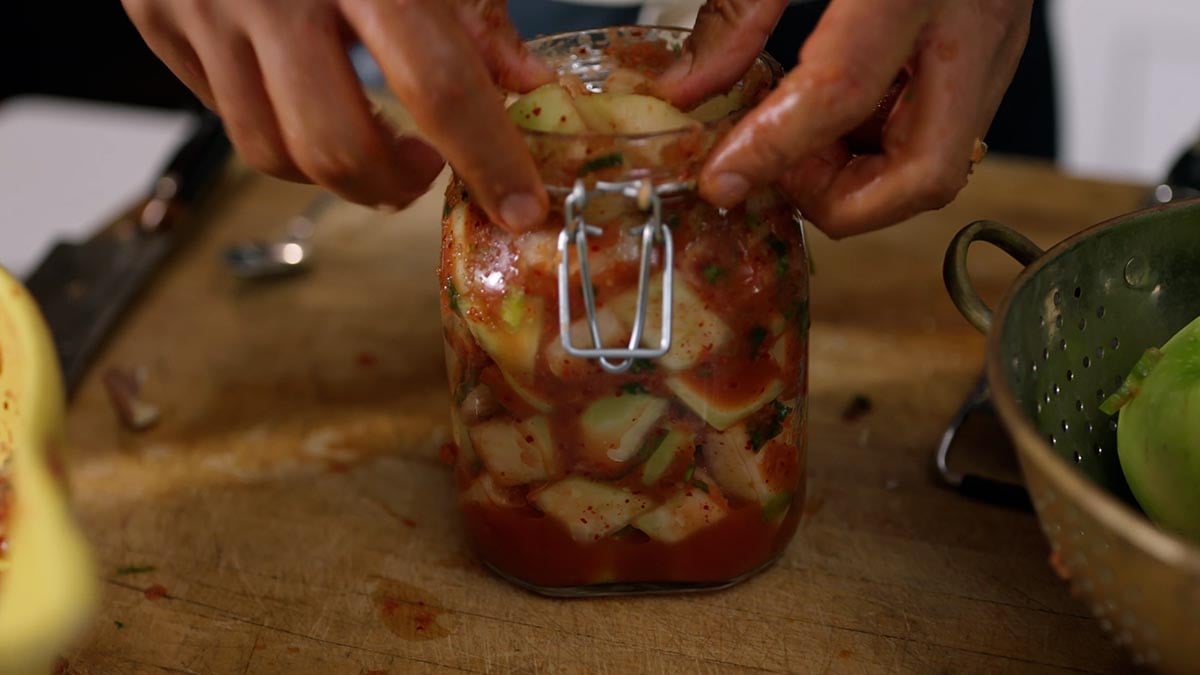
Packing kimchi in a jar is a skill of itself. Once you learn this technique, you’ll be able to turn so many vegetables into delicious kimchi.
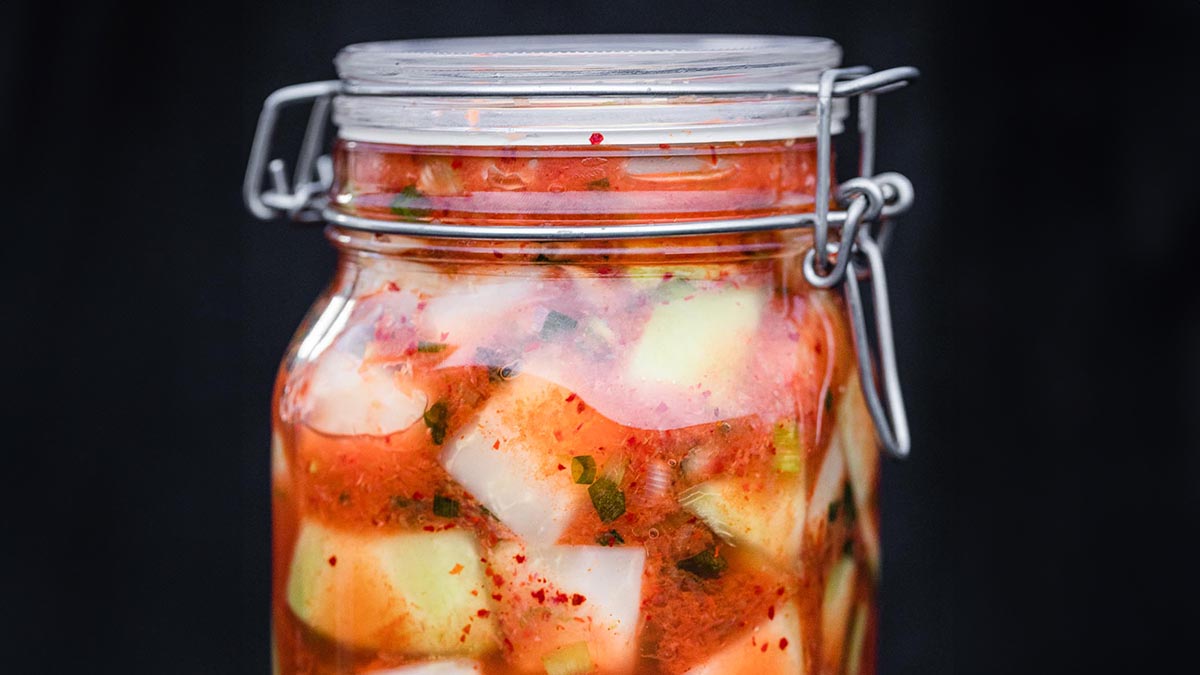
With just a few ingredients, you too can simply ferment foods at home. Edward shows how to make kimchi from kohlrabi, which is a dense vegetable that can hold up well through fermentation. While this vegetable is less traditional for kimchi, expect the usual elements like Korean chili flakes, scallions, garlic, and ginger to tantalize the taste buds.
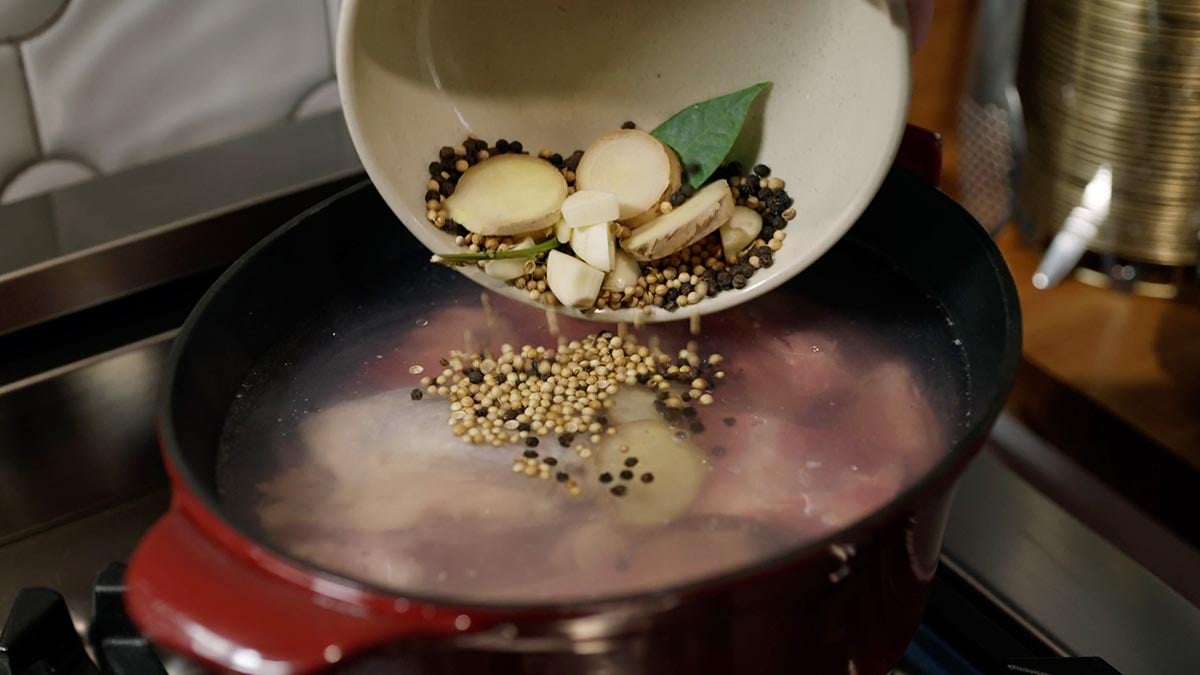
There’s no better way to stay cozy than with a fatty and elegant meat stock. Boil beef bones with aromatics for hours for a bold broth.
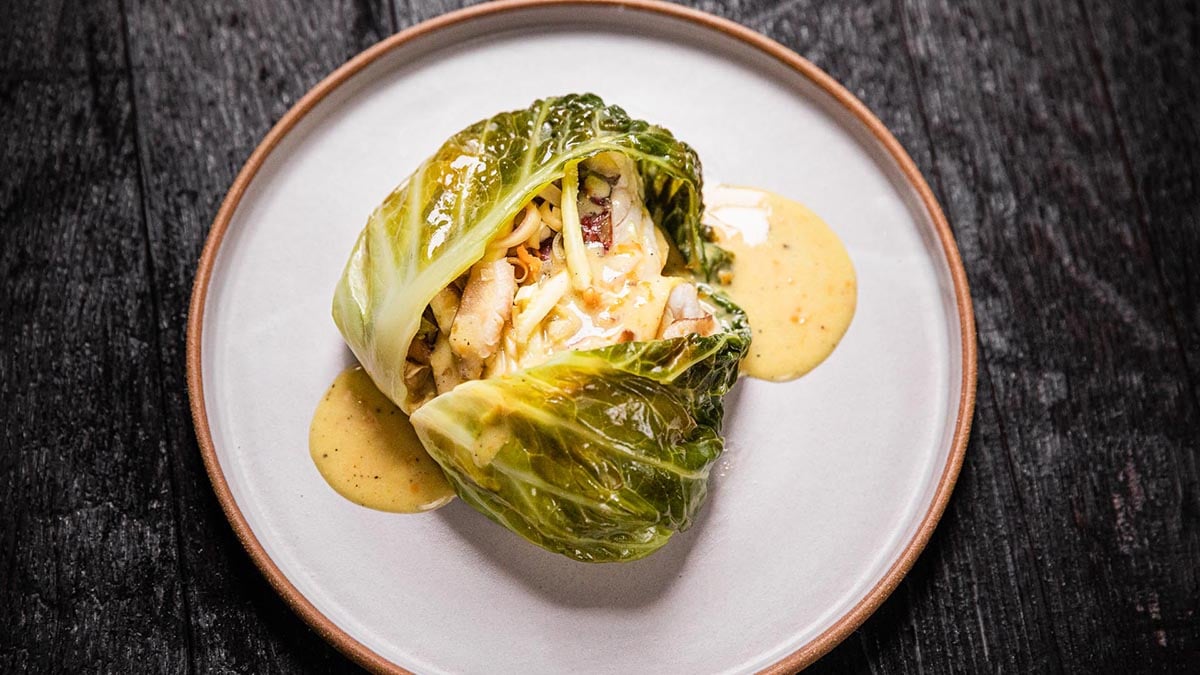
A delicious and healthy meal that’s easy to make any night of the week. Learn how to steam fish with vegetables and filled with intricate flavors. Cabbage makes the perfect vessel for a wrap. Learn how to blanch, shock, and stuff the cabbage. Healthy, gluten-free, and easy to make!
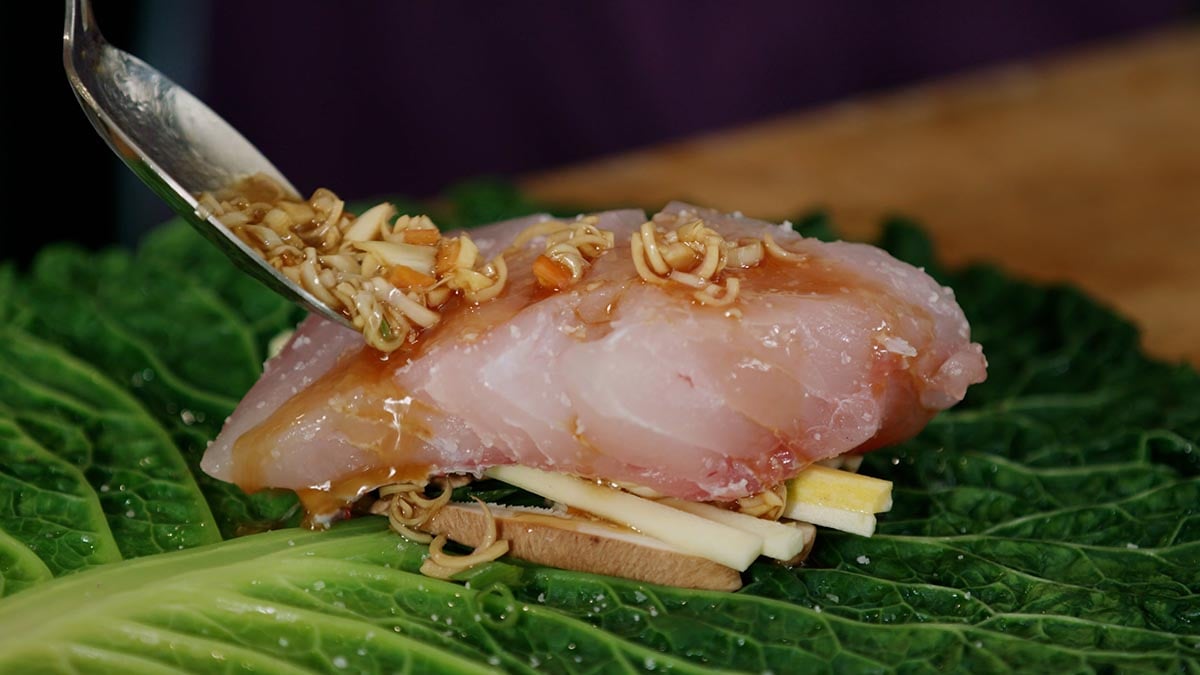
Learn the basics of making flavor-packed marinades and how to build flavors.
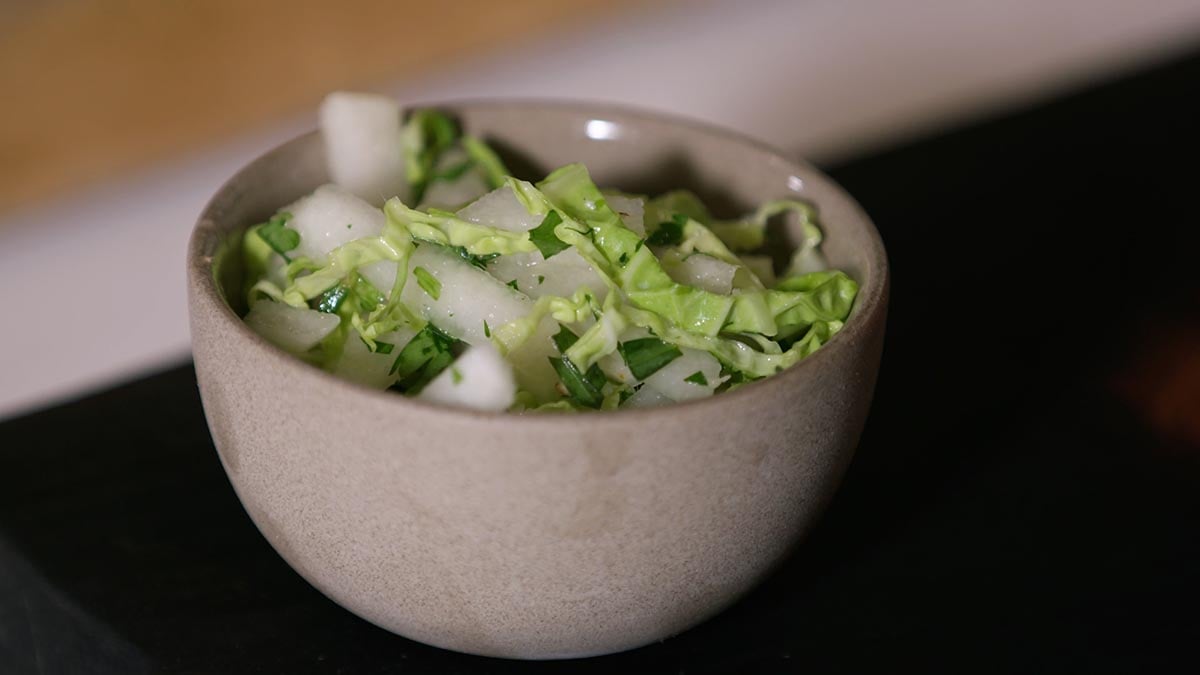
Bump up boring coleslaw with this creative riff. The Asian pear and cabbage bring a crisp sweetness and punch of bright acidity.
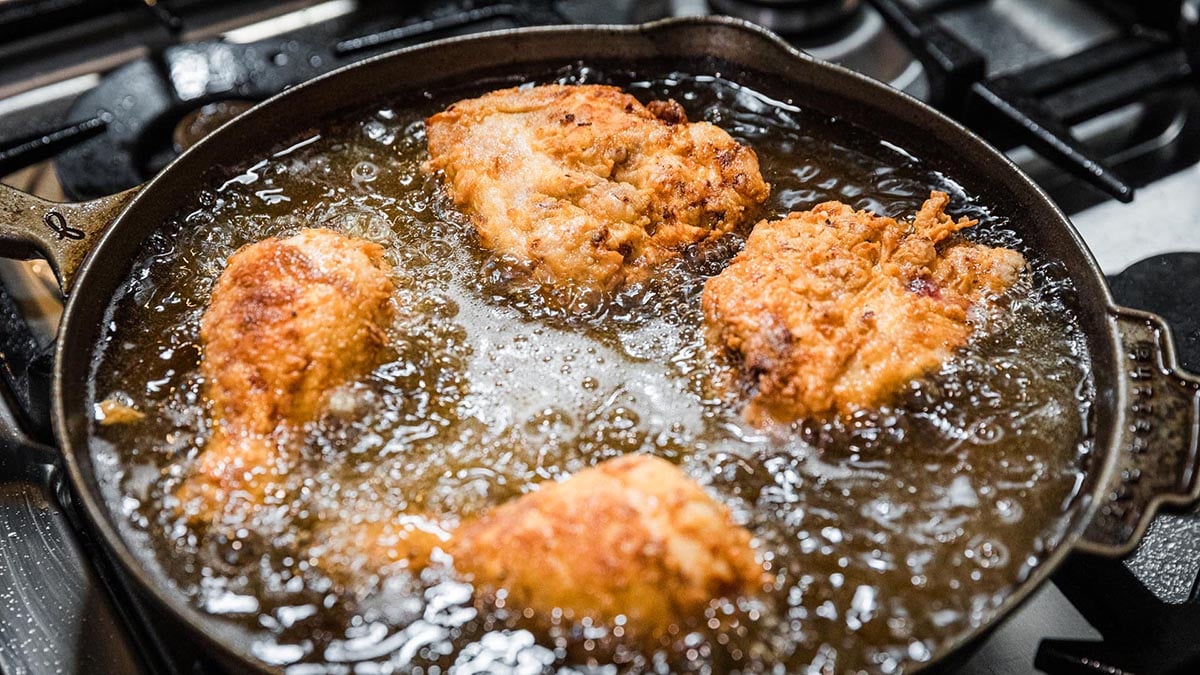
Follow these simple steps and your buttermilk fried chicken will come out perfectly juicy on the inside and crispy on the outside.
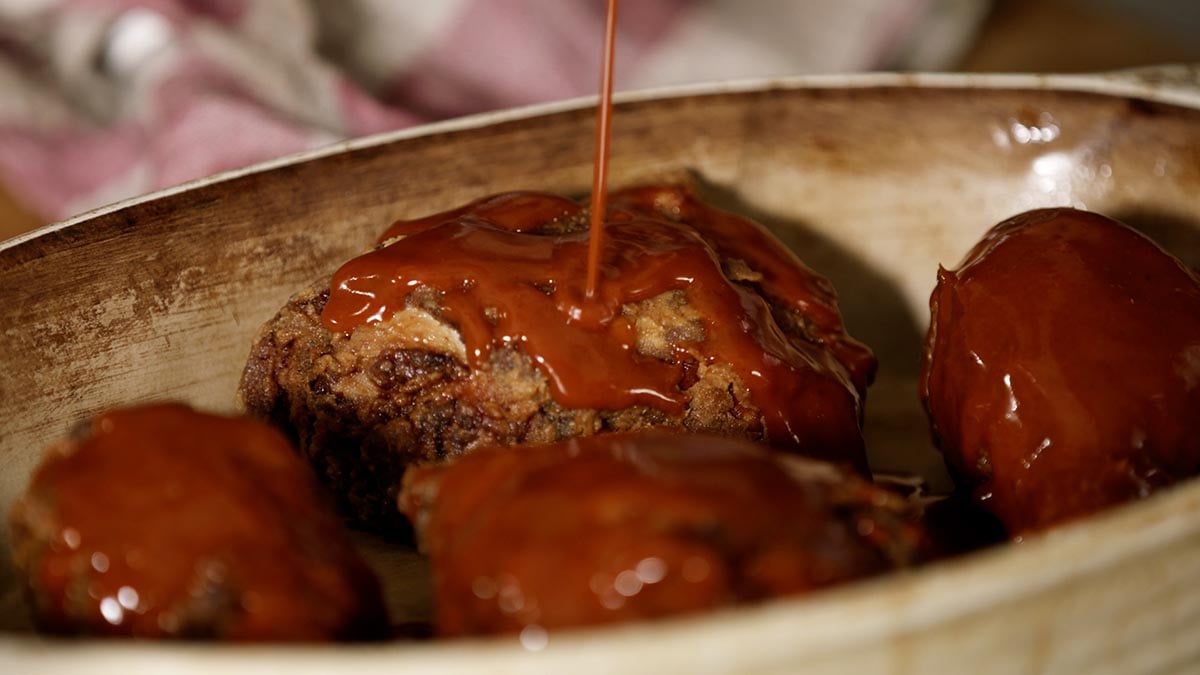
It’s spicy, tangy, sweet, and sultry – gochujang sauce hits all the right notes for the ultimate flavor bomb. Put it on fried chicken or keep it in the fridge to bring spice to everything else.
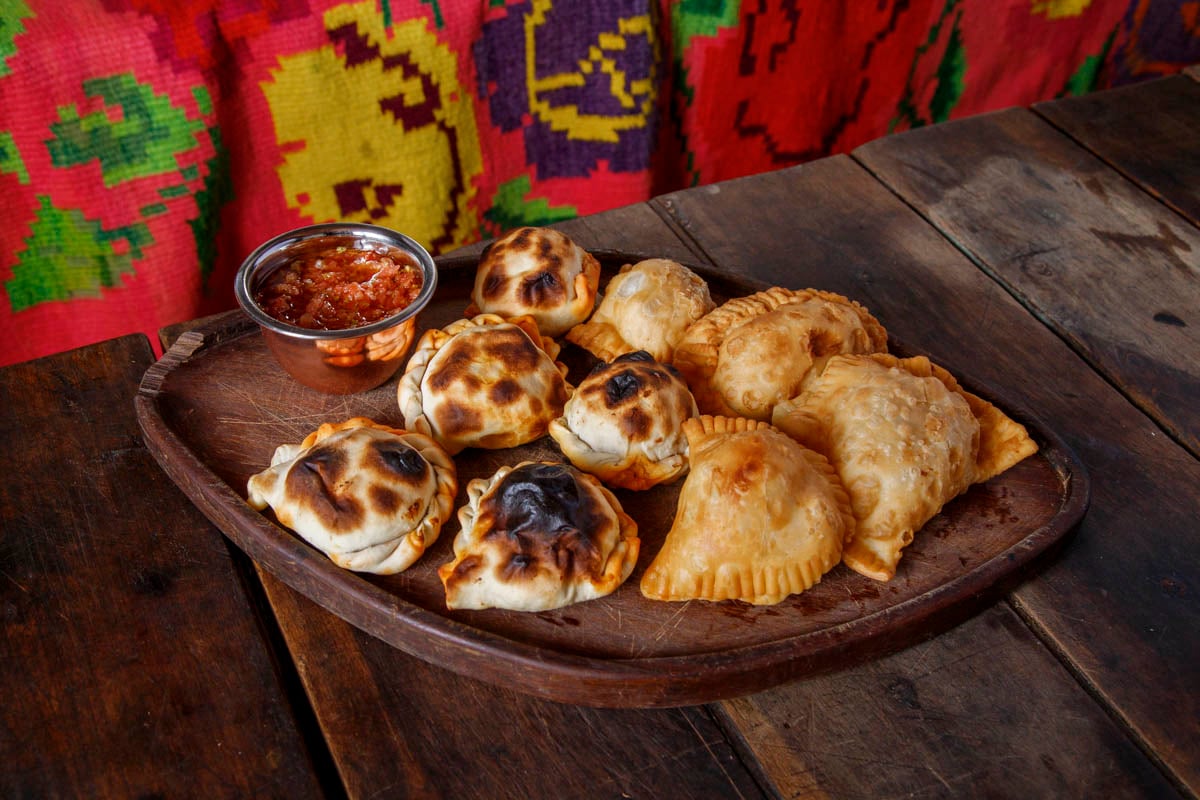
Not only is this family-friendly snack easy to make, but it’s also the perfect meal for the kids to get involved too. Learn the “repulgue”, how to properly seal and fold the empanada like a pro.
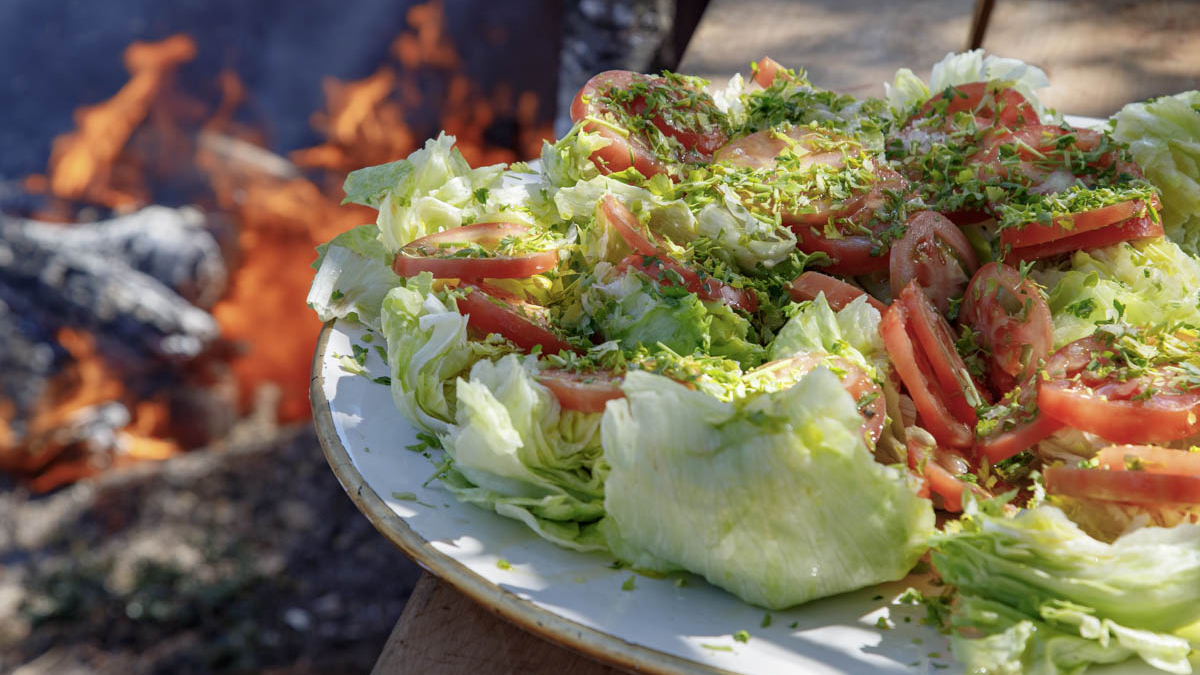
Francis doesn’t like salads that are busy and cramped on a plate. Instead, he leans towards the generosity of space. Learn how to make one of Francis’s favorite salads that he calls simple yet noble.
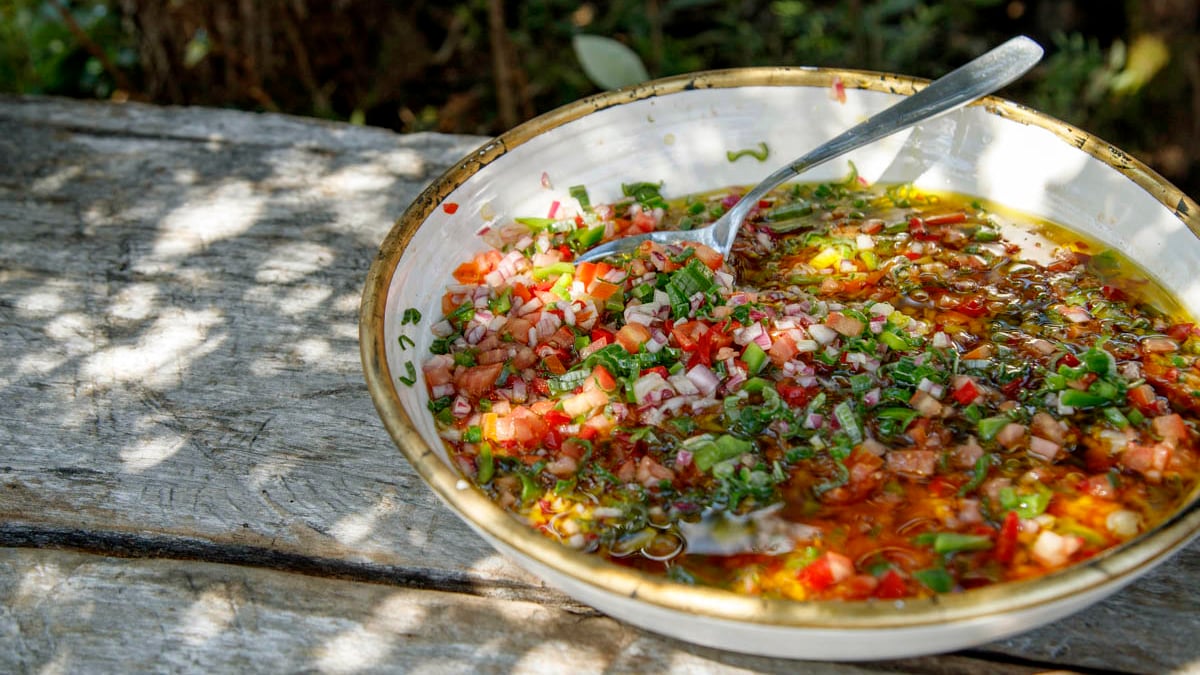
No Sunday Asado in Argentina would be complete without salsa criolla, the national sauce, alongside chimichurri, that is served at traditional Argentine barbecues across the country. Francis’s version calls for a fresh medley of chopped onions, colorful bell peppers, tomatoes, red onions, and spring onions drenched in acidic red wine vinegar.
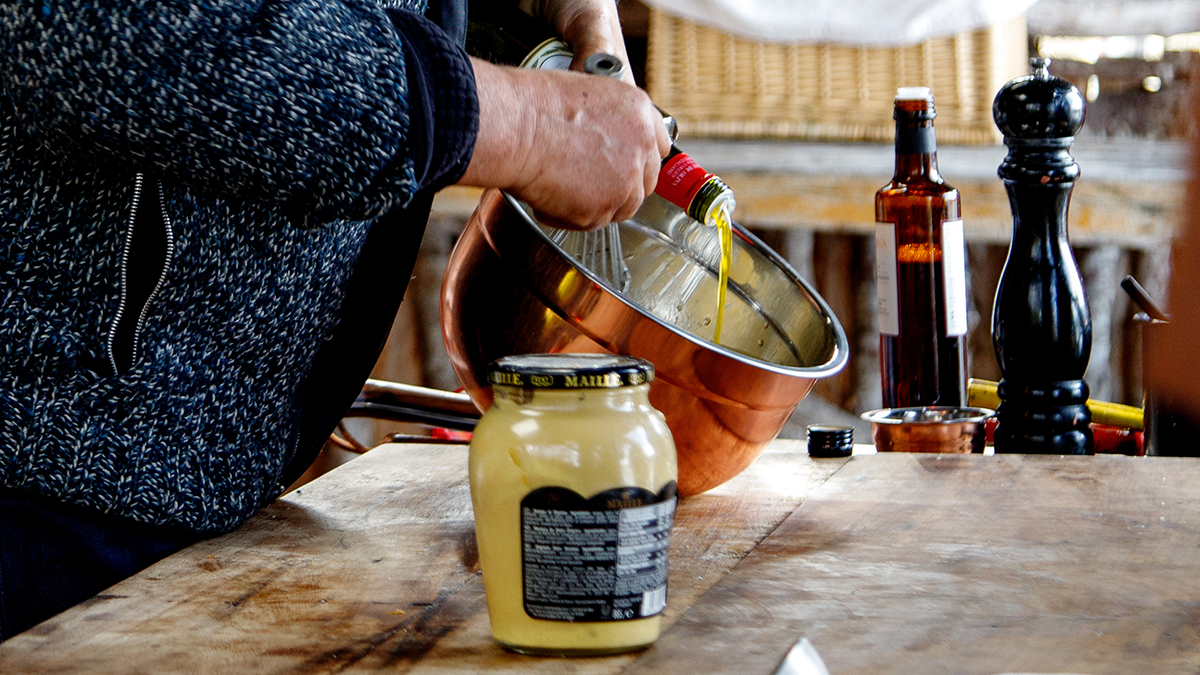
Create Francis’s creamy and tangy vinaigrette, which tops any roasted veg or acts as the perfect base for potato salad.
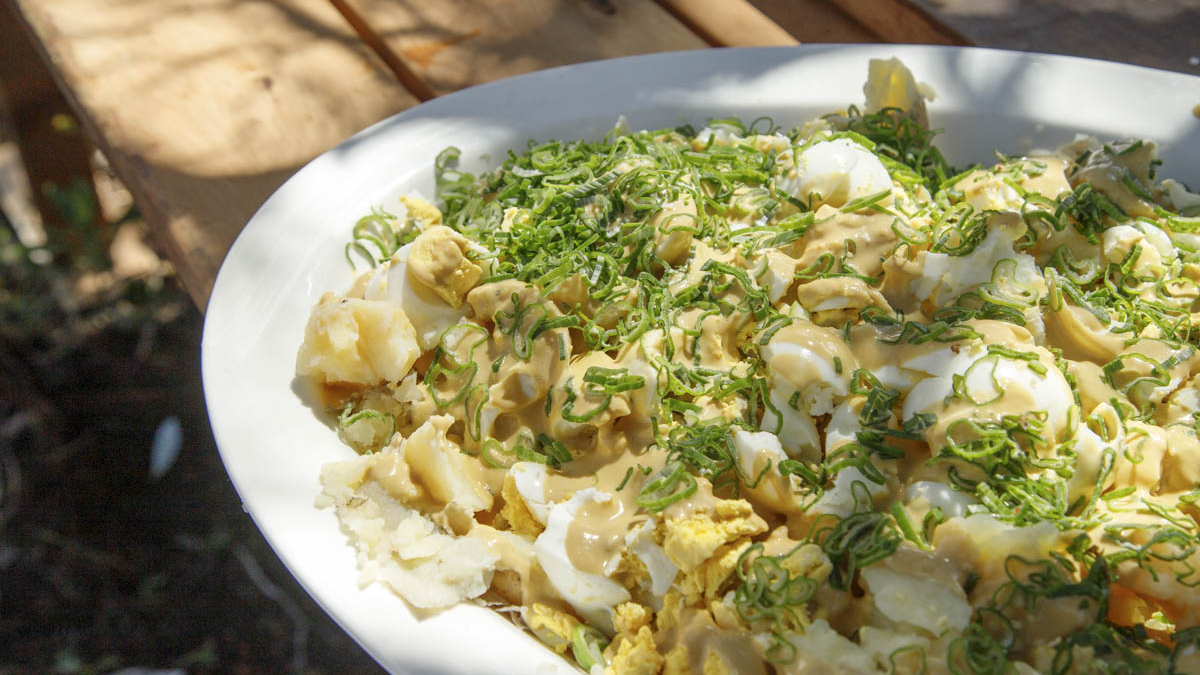
Never make another potato salad the same way ever again. Francis puts his spin on the Argentine barbecue classic side with a tangy mustard vinaigrette. While you can always use a knife, follow Francis’s motto and use your hands. “Everything you can cut and break with your hands, the better,” he says.
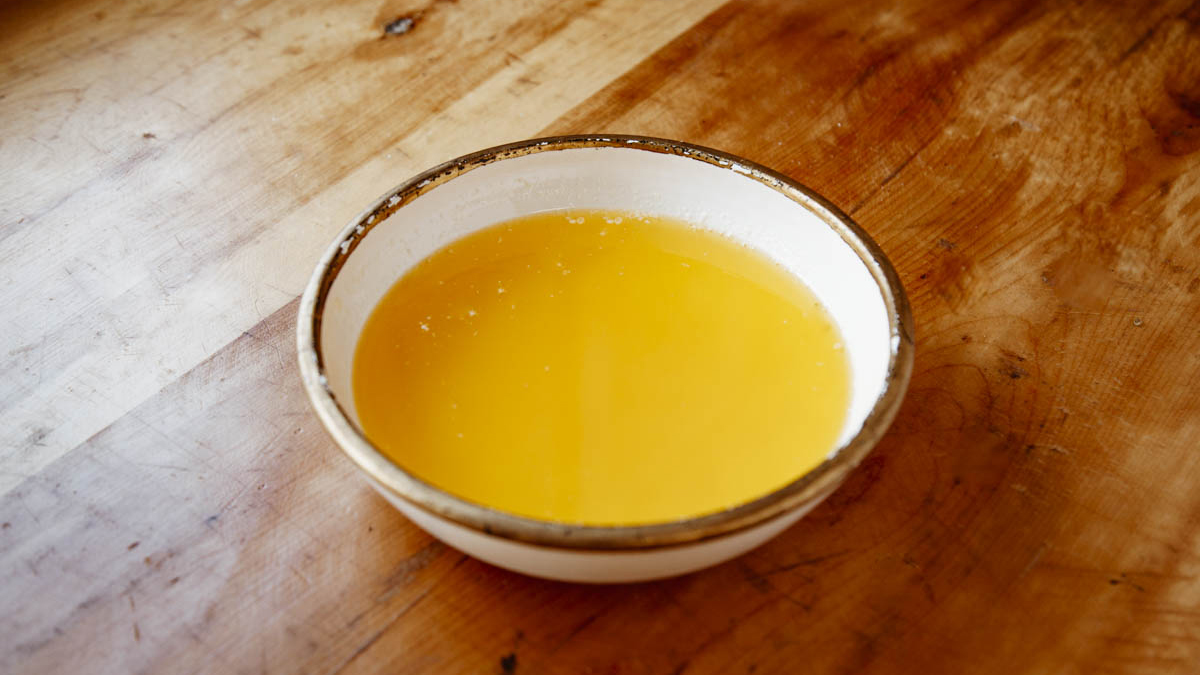
Clarified butter is the secret weapon Francis uses to make his food crispy and luxurious. Ricki Motta, Francis’s sous chef, teaches how to make this golden glory. Since Francis’s food tends to require open flames, the lack of milk solids in the clarified butter enables it to have a high smoke point, an ideal match for this style of cooking. The result? Crunchier potatoes, a perfect char on seared meat, and vegetables dancing in butterfat with little worry of it burning too quickly. Plus, clarified butter can last fresh for months in the fridge.
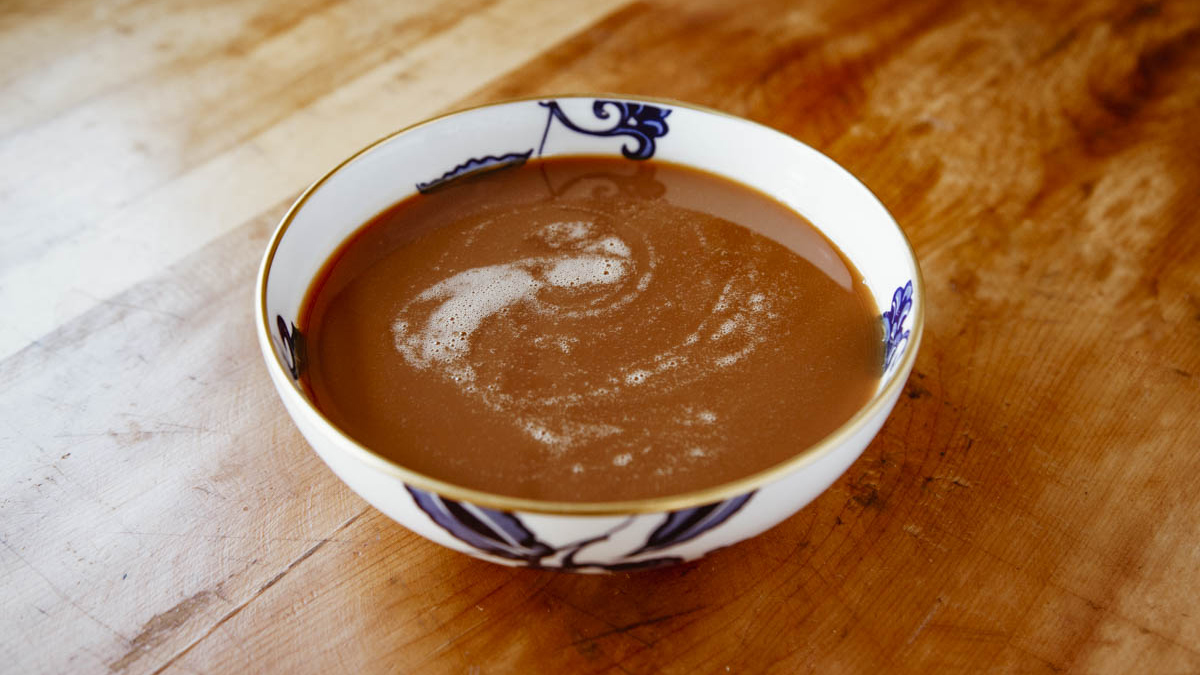
It’s hard to find a dessert in Argentina that doesn’t contain dulce de leche. Francis’s sous chef, Ricki Motta, teaches how to make this classic favorite that will sweeten up your life.
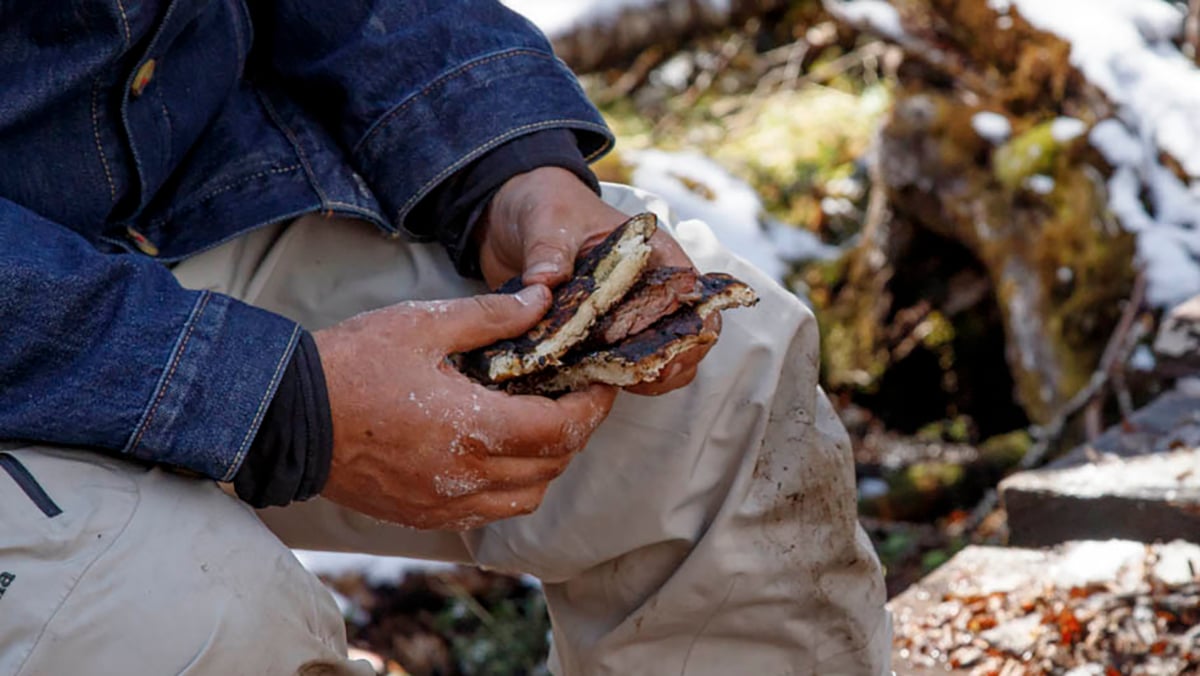
The next time you go camping, be sure to bring a bag of flour and a strip of beef, to create the best version of a Gaucho sandwich yourself over the heat of an open fire.
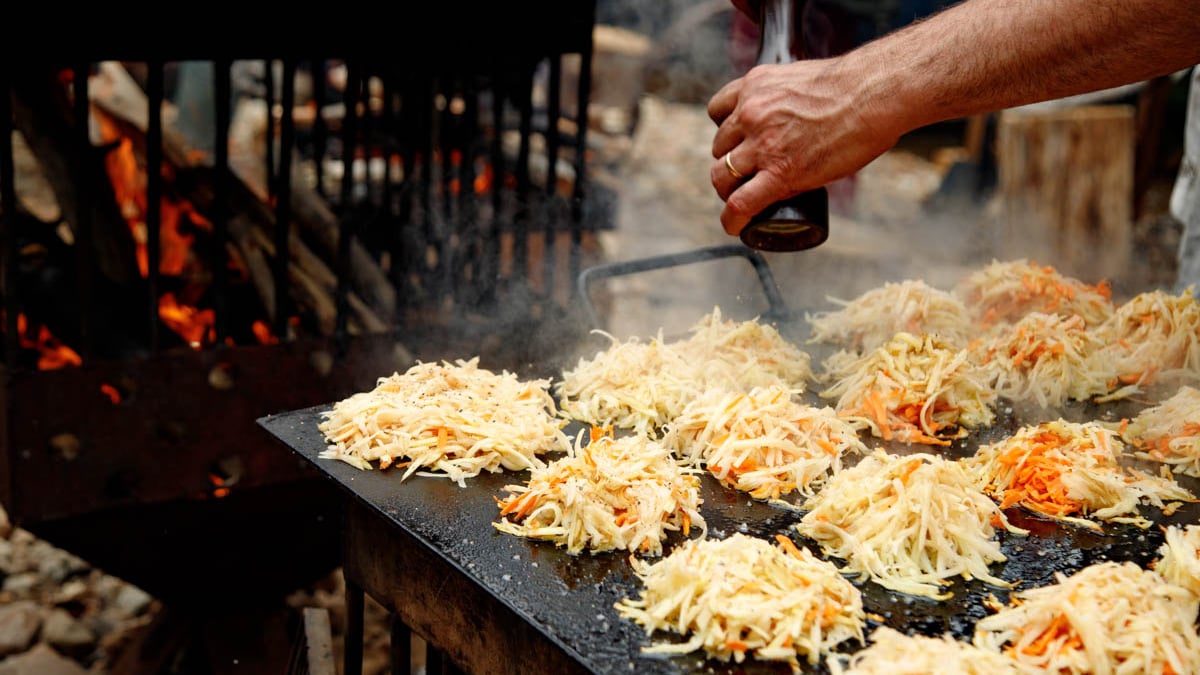
Grate your potato right on the cast iron surface, capturing the air to perfectly steam the inside while developing the crispiest, crunchiest exterior.
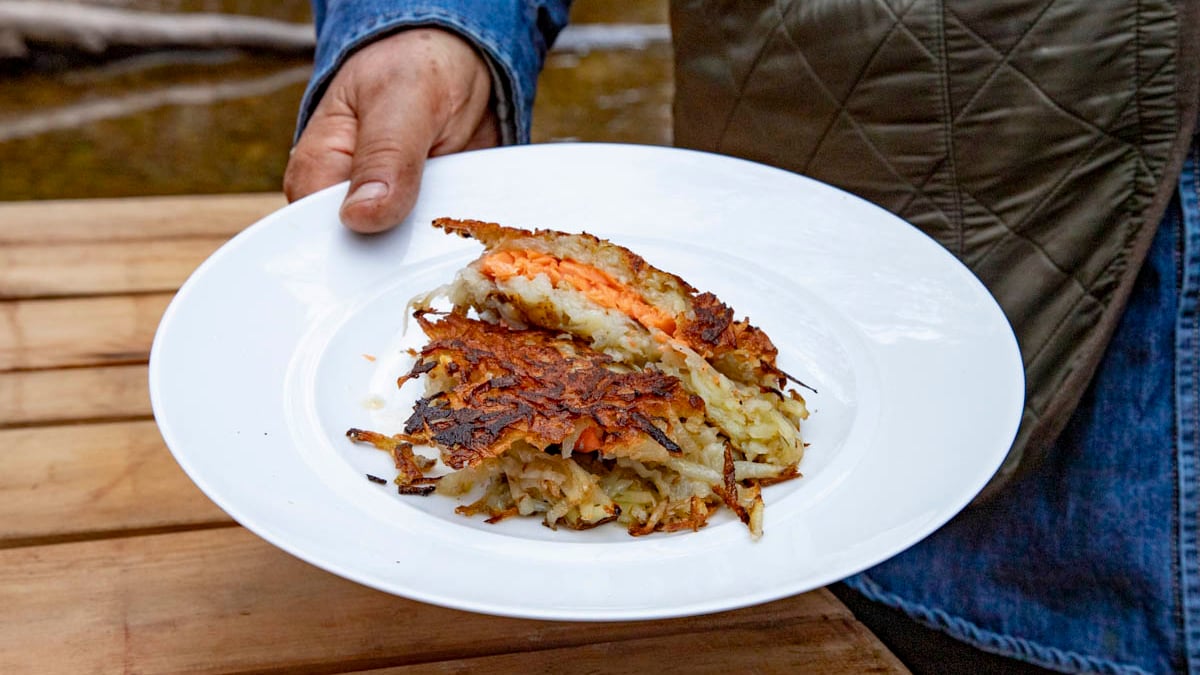
Francis brings us to one of his favorite places on the island, near a beautiful waterfall, to cook trout fillets sandwiched between two crispy potato cakes. Francis uses a freshwater brook trout, known for its vibrant pink color, but you can always substitute for different kinds of fish like flounder, snapper, and sole. Francis teaches techniques like the proper way to fillet a fish, using his favorite knife that he bought in 1978 in Paris. This simple recipe will be a total brunch crowd-pleaser for your family and friends.
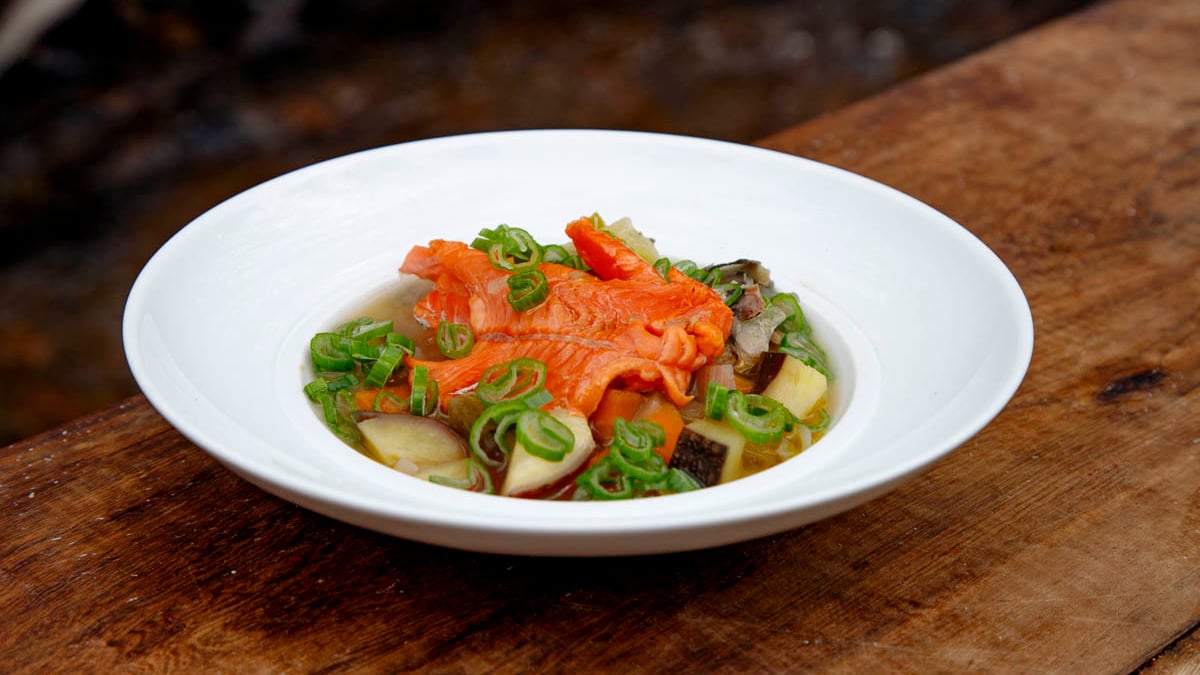
When there’s a brisk Patagonian chill that fills the air, there’s one comforting food Francis wants to eat: chupín de trucha, or Fisherman’s soup with trout. “Chupín is the most beautiful word for a soup of fish,” Francis explains. Chupín is also known as fish stew and is commonly found across the region near lagoons, rivers, and fishermen’s towns. The name chupín comes from the Spanish word chupar. It’s a word commonly used in the phrase, “Para chuparse los dedos,” which means “finger-licking good”. The true taste of the chupín comes from the bones and the head of the fish, plus a lot of love and care. Francis will teach the skills to make this incredible broth and how to truly build and layer complex flavors with simple ingredients. This is a dish proven to nourish the body and soul.
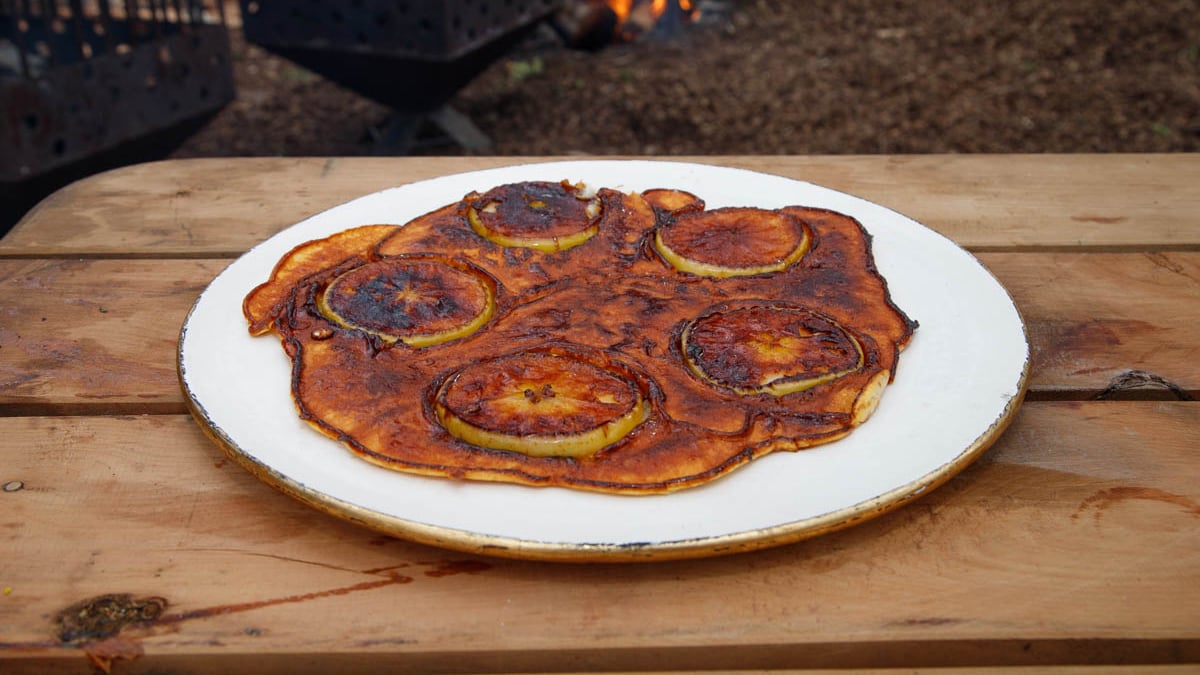
Caramelize granny smith apples right on a cast iron surface, then smother in Francis’s pancake batter, to recreate this Argentine favorite.
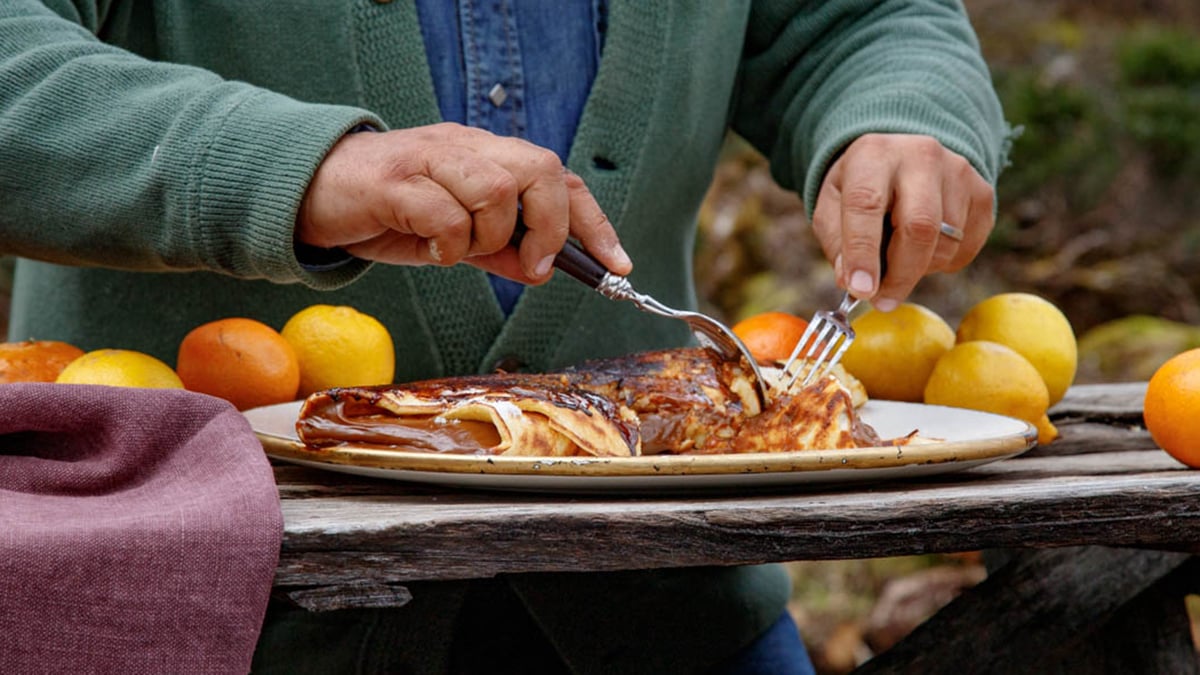
An Argentine classic and Mallmann favorite, this dulce de leche stuffed pancake is the perfect dessert or weekend brunch staple. Use homemade dulce de leche, or the store bought variety – it’s up to you.
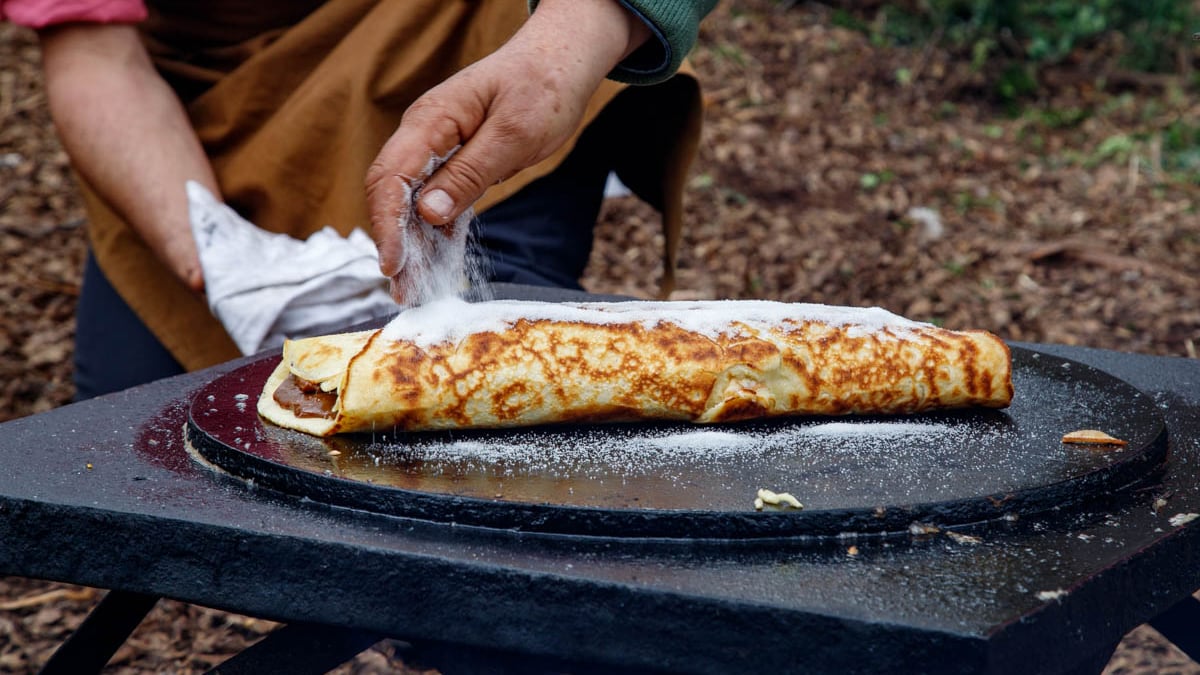
Make the best pancake batter using Francis’s simple recipe. Add dulce de leche, granny smith apples, or enjoy them plain – your weekend brunches will never be the same.
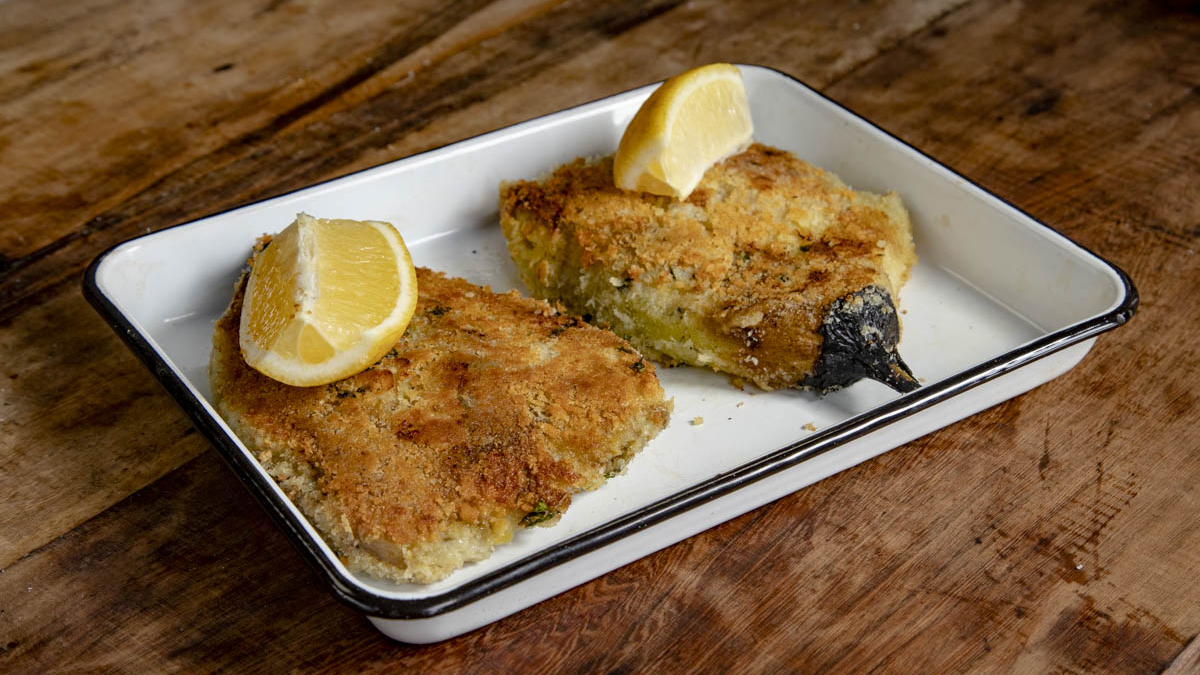
Learn how to make one of Argentina’s favorite comfort foods, the milanesa. Francis teaches his vegetarian spin on the humble classic by using the mighty eggplant. Francis teaches how to prepare the eggplant: He chars the whole eggplant directly in the fire, dips it in egg batter, covers it with seasonings and homemade breadcrumbs, and finally, pan-fries it with clarified butter on a hot griddle. The result? A delicious dish that is also a bestseller at Francis’s restaurants.
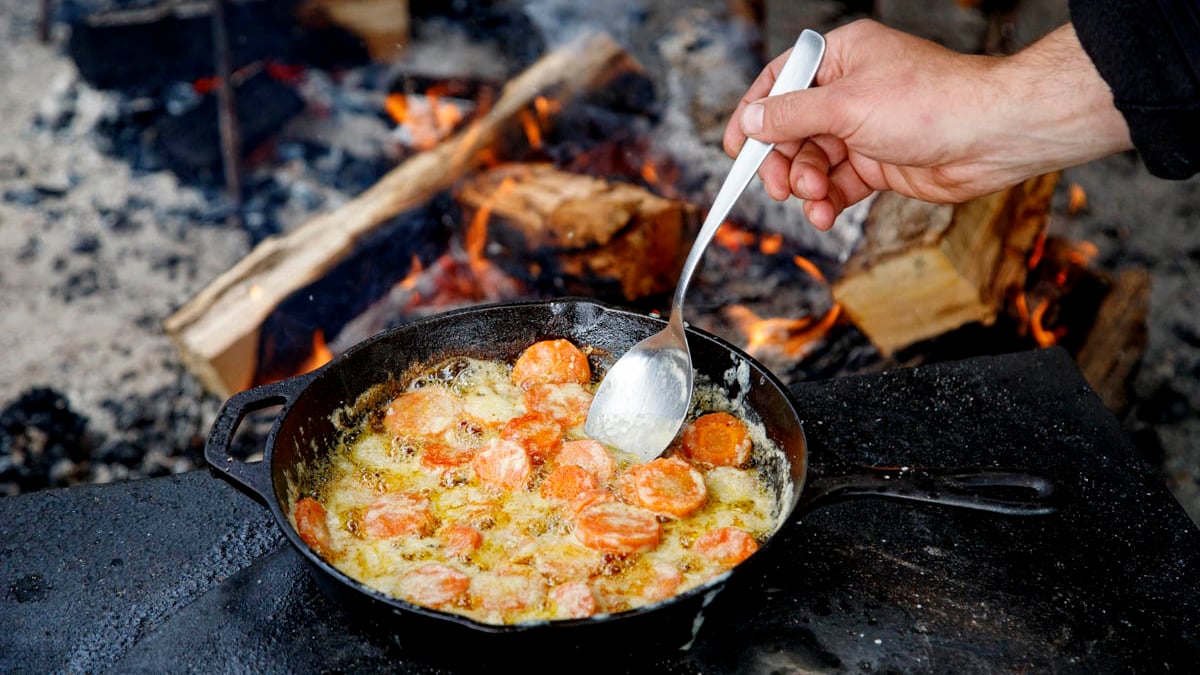
All you need is three carrots, a handful of thyme, a bit of cream, olive oil, and a cast iron pan to make Francis’s latest hit vegetarian recipe. You’ve never tasted carrots quite like these.
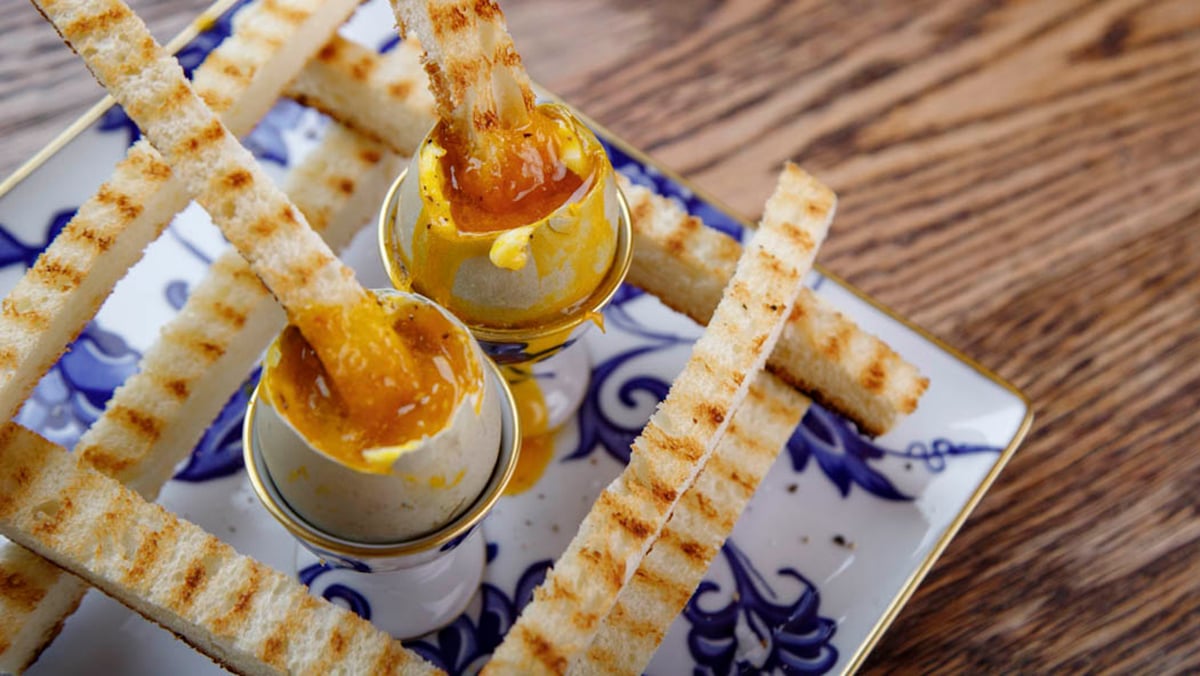
From Patagonia to Paris, Francis will transport you to Café de Flore, a famous café where the great intellectuals would gather and one of his favorite places in France. There, they serve glorious oeufs à la coque, soft-boiled eggs, a sophisticated yet simple breakfast that Mallmann regularly makes at home for his children. Not only does Francis teach the basics of boiling eggs, he also speaks about important life lessons like personal reinvention and how it’s never too late to start again.
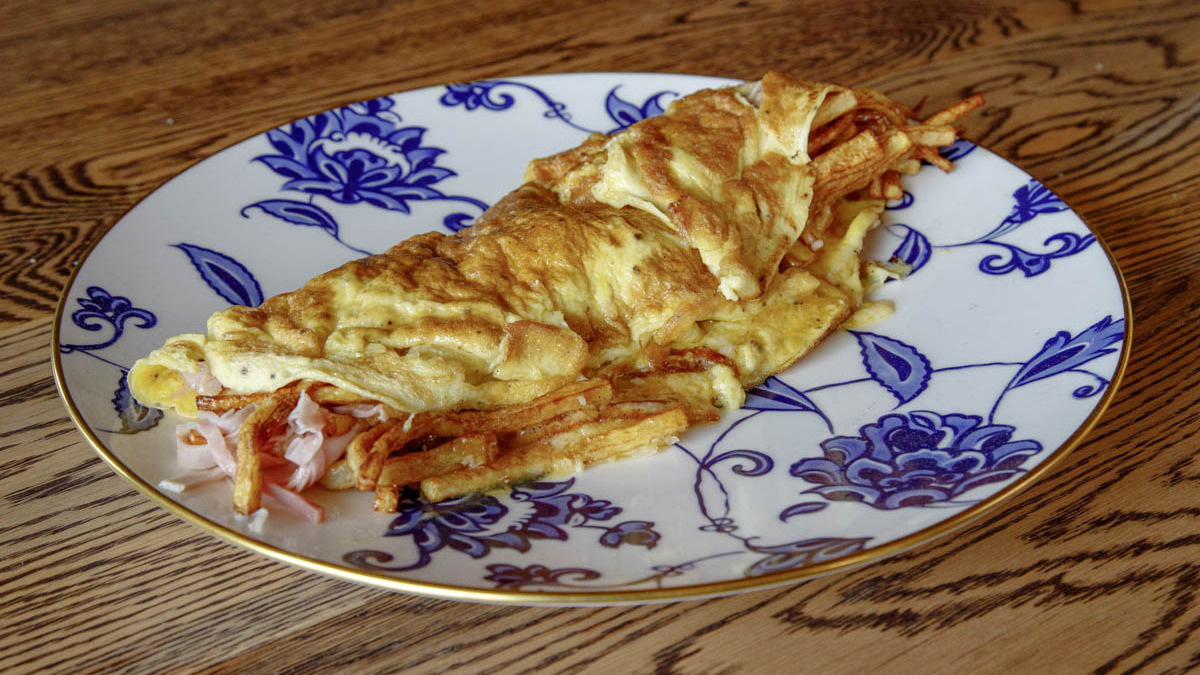
“Eggs, potatoes, cheese, ham, can’t get better than that!” – Francis Mallmann. Revuelto gramajo is a Buenos Aires classic, most commonly found across the country in neighborhood bodegones (Argentine cantinas). Francis puts his own spin on this scrambler-hash hybrid that resembles an omelette, but stays true to its original ingredients: eggs, ham, and fried shoestring potatoes. This dish, however, can be adapted to use ingredients on hand, including fresh peas and slices of chicken or prosciutto. Even though in Argentina revuelto gramajo is eaten for lunch or dinner, we bet this mind-blowing dish will be a total brunch game-changer to your cooking repertoire.
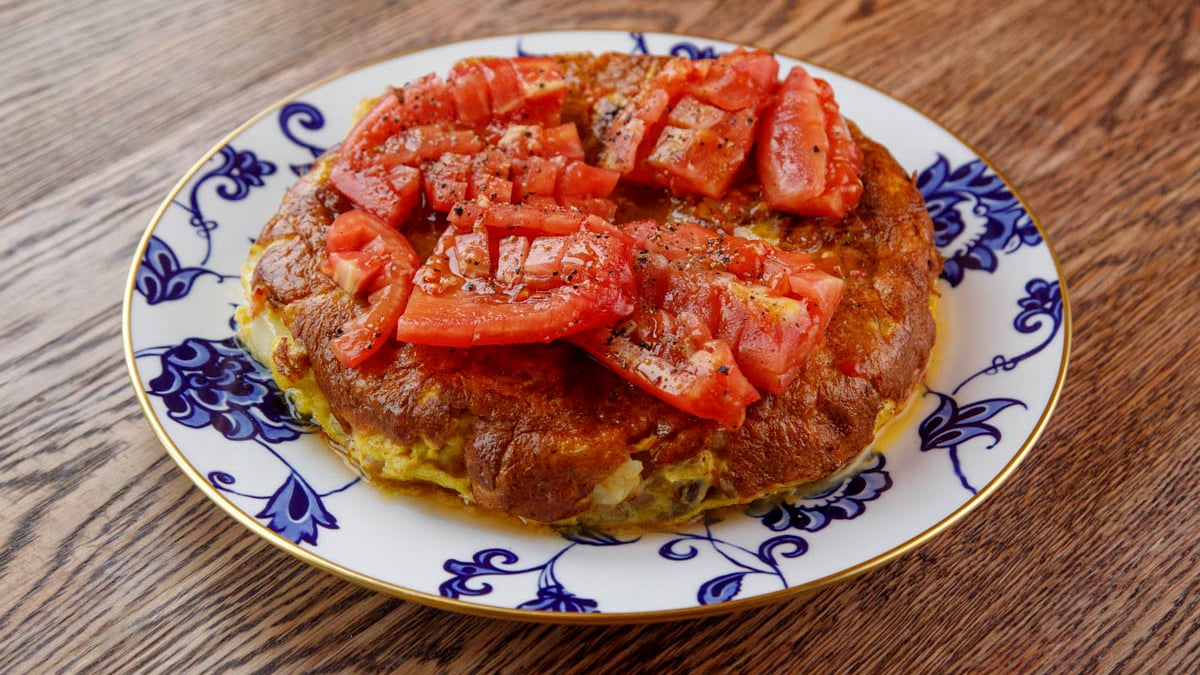
Argentina is heavily influenced by Spanish cuisine. It’s common to find the tortilla, a potato, onion, and egg Spanish omelette, at most every bodegón (Argentine cantina). Even though Francis has made many tortillas in his life, he says he only understood the true technique of the tortilla a few years ago when he observed a Spanish lady making it. Now, he shares this favorite tortilla recipe with you. While it’s possible to use any onions available, Francis’s secret is combining three types of onions. He also shares his tips on how to flip it and cook it to perfection.
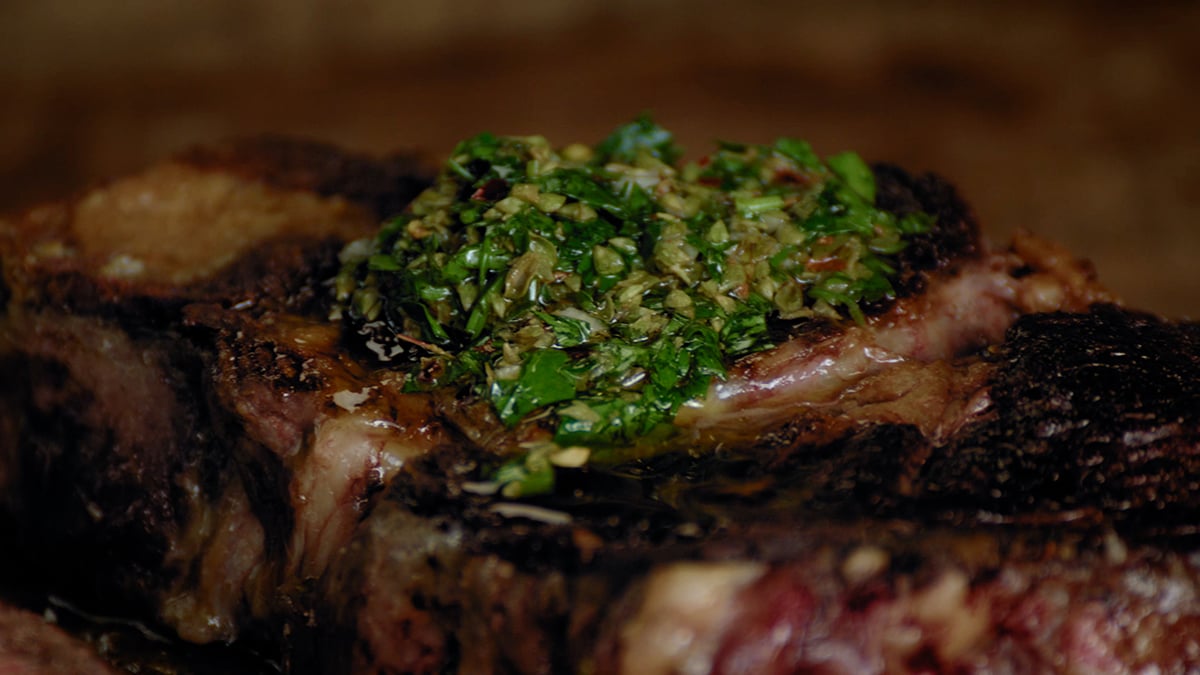
Learn how to make the traditional Argentinean herbaceous sauce that goes alongside any steak, or other grilled meats.
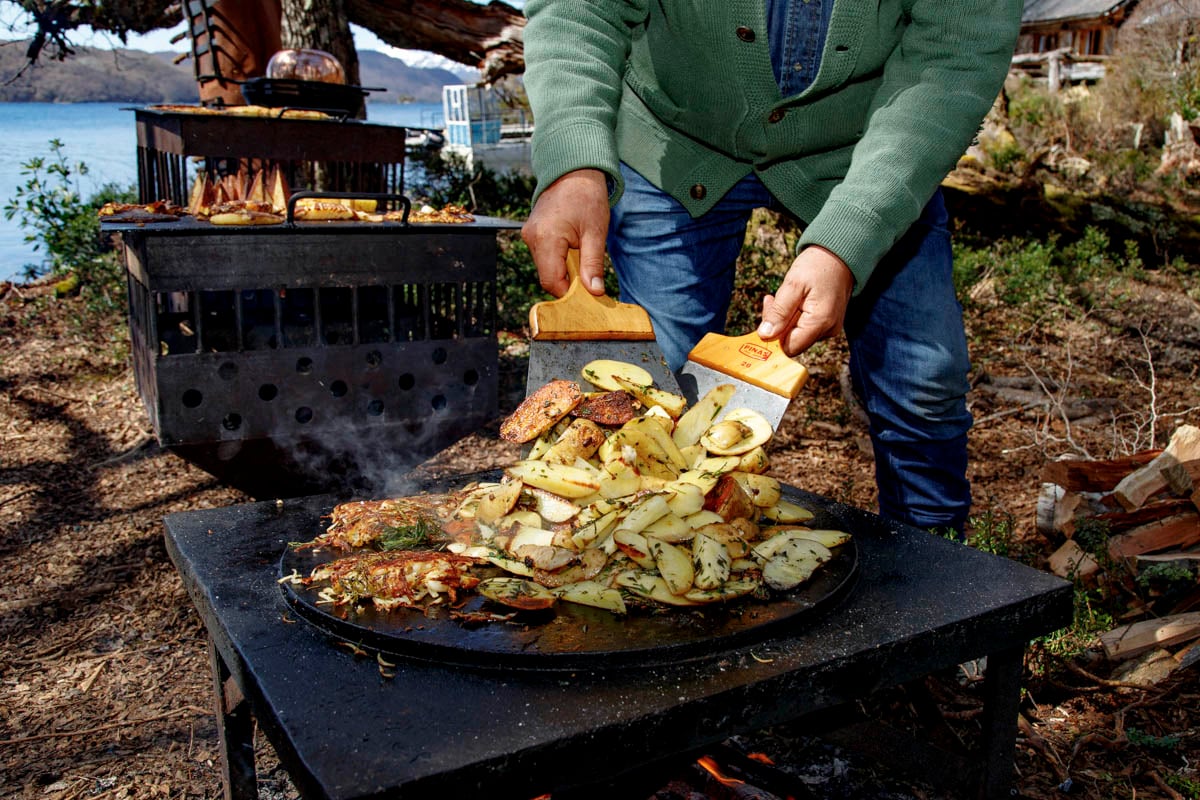
Don’t throw out your potato scraps, make a meal out of it! Zero waste is always the way to go.
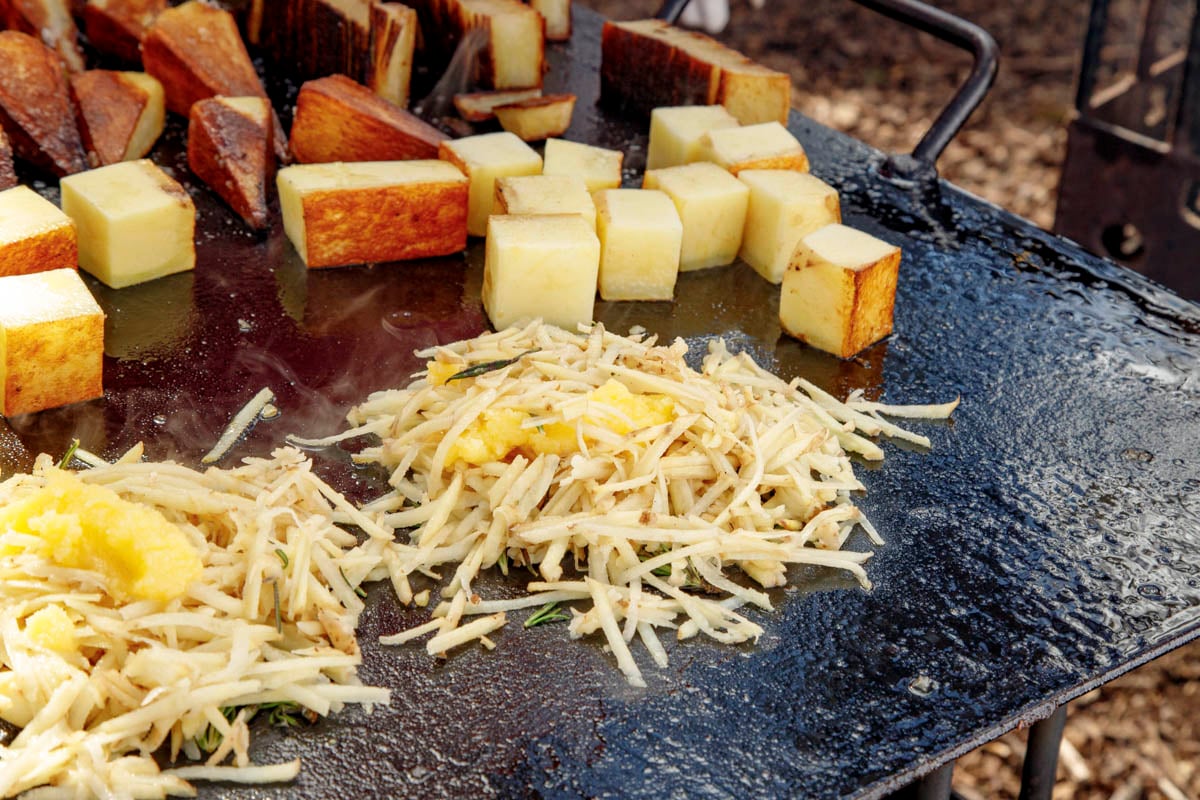
Looking for the perfect brunch potato? Here it is. Eat it plain or even top it with sour cream and smoked salmon.
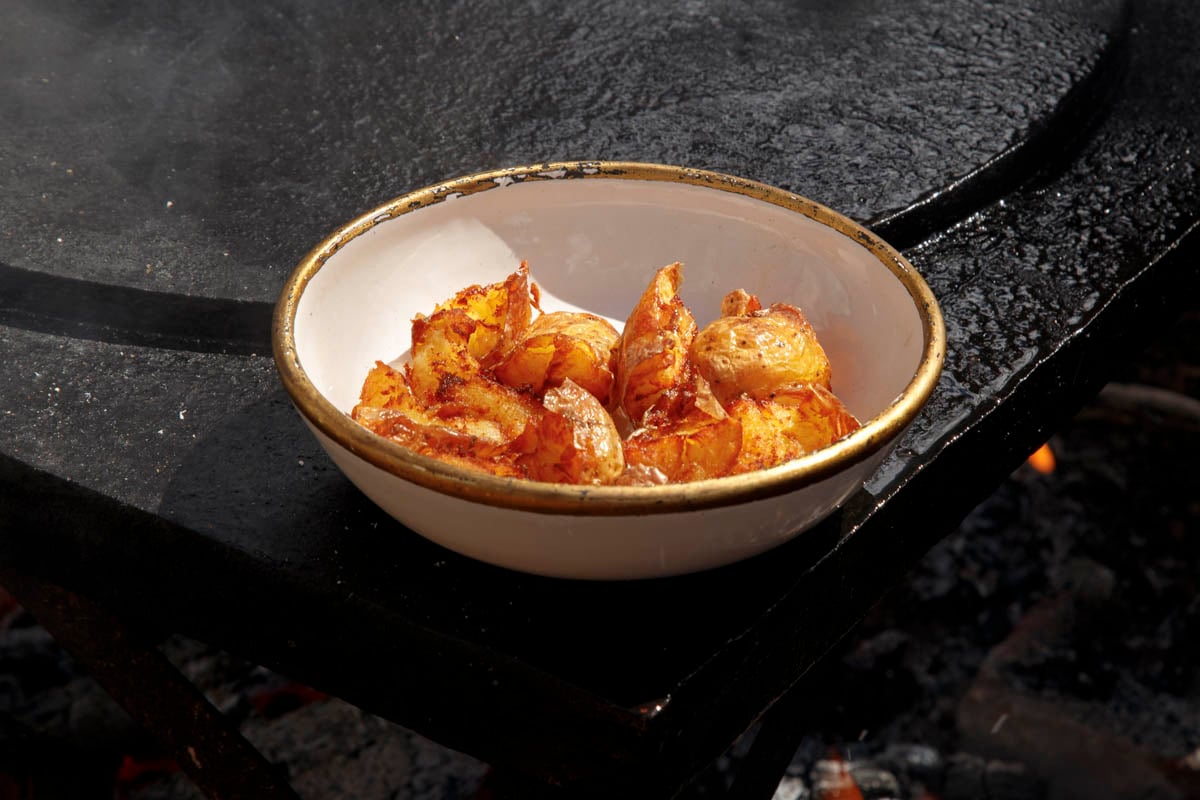
For the dreamiest potatoes with creamy insides and very crispy outsides, follow Francis’s easy recipe.
Learn from the World’s Best Chefs.
Create your account to get started


By signing up you accept our Terms and Privacy Policy.